Tag Archives: worth

LOONEY TUNES BASEBALL CARDS WORTH

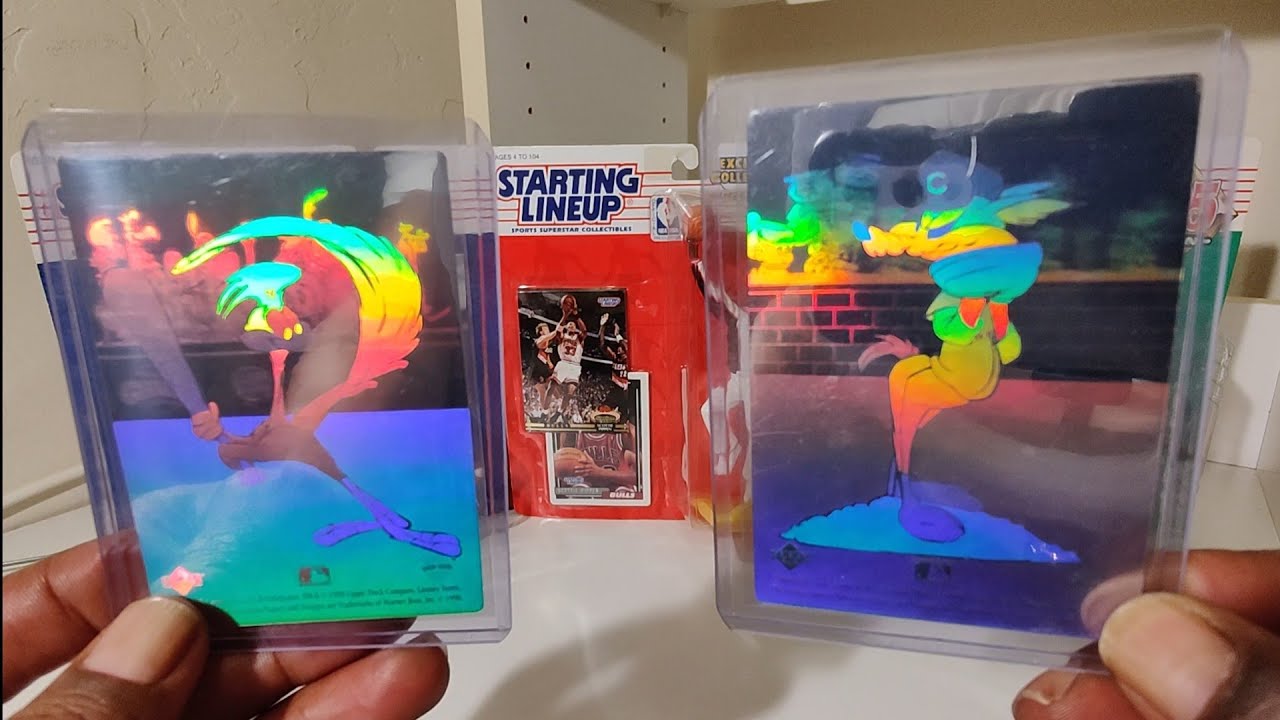
Looney Tunes is one of the most beloved classic animated cartoon franchises of all time, created by Warner Bros. Between 1948 and 1962, Looney Tunes dominated Saturday morning television with zany shorts starring iconic characters like Bugs Bunny, Daffy Duck, Elmer Fudd, and more. In 1986 and 1987, Topps trading cards capitalized on this nostalgia by releasing two series of Looney Tunes Baseball cards. While not overtly focused on baseball, the cards featured the wacky characters in baseball uniforms or depicted in playing card fashion. Nearly 30 years later, these vintage Looney Tunes cards remain popular collectibles, with some in premium condition commanding high prices. Let’s explore the history and current worth of various Looney Tunes Baseball cards from both series.

The first Looney Tunes Baseball card series was issued in 1986, containing 132 total cards issued over 11 packs. Topps opted for a largeish 3.5″ x 2.5″ cardboard size in contrast to the typical baseball card dimensions of the time. In addition to Bugs, Daffy, Porky, and others, the set included characters not directly associated with Looney Tunes like Hagar the Horrible and B.C. in a nod to the licensors willingness to include non-Warner Bros properties. Card designs were simple but colorful, showing a character in action with their name and team overlayed. With no statistics to track, the focus was more on capturing the humor and antics of each cartoon star.

Unsurprisingly, the most coveted and valuable cards from the 1986 Looney Tunes set center around the big three – Bugs Bunny, Daffy Duck, and Porky Pig. In Near Mint to Mint condition, their base cards typically fetch $15-25 each online. Variations like the rare B.C. error card missing the character’s head can sell for over $100 in the same grade. Rarer Inserts like the reversible Bugs/Daffy dual image card are even more valuable, with NM examples bringing in $150-200. Overall though, most common cards from the inaugural set sell for under $10 in well-kept condition.

Following the popularity of the 1986 release, Topps issued a sequel 1987 Looney Tunes Baseball card set containing 132 cards once more. The design aesthetic was kept similar but incorporated more action poses and cartoon sound effects. Distribution was also wider, making variations and chase cards from ’87 comparatively more common than the year prior. As such, base card values for the biggest characters tend to be a bit lower – with Bugs, Daffy, and Porky in the $5-12 range. There are still some standouts worth significant money.

One of the rarest 1987 Looney Tunes cards is #123, the elusive “Blank Back” Wile E. Coyote printing error missing any stats or information on the reverse. In pristine condition, this oddity has sold for over $500. Other eye-catching inserts like the 12-card “Tweenies” subset highlighting young versions of the characters can range from $30-80 each depending on condition. And the set-ending Super Rare Gold Refractor parallels of Tweety, Sylvester, and Road Runner hold value of $150-300 in top shape. Generally speaking, premium 1987 cards have retained more enthusiasm and price stability than the initial 1986 issue over the decades.

Both the 1986 and 1987 Looney Tunes Baseball card releases were reprints issued by Topps without any additional licensing fees to Warner Bros. This allowed for larger production runs that saturdated the market at retail. As a result, most common cards can be obtained quite reasonably even today. For dedicated collectors seeking true investment pieces or simply the rarest specimens to showcase a childhood passion, pristine high-number samples do command healthy premiums. With nostalgia only growing stronger for classic cartoon IP, the collectibility and values of Looney Tunes cards seems poised to endure. So for anyone digging through their old memorabilia, it’s worth a check to see if any coveted variations may be hiding!

While base Looney Tunes Baseball cards from the landmark 1986 and 1987Topps series can usually be found for under $10-15, there are certainly standout specimens commanding far greater prices. Keys like rare errors, special inserts, and elusive parallels regularly fetch $100+ whenNear Mint. The most coveted examples push north of even $500 for truly pristine condition. Overall set completion also holds appeal, with a full 1986 run grading out at $300-500 depending on average card quality. So while the Looney Tunes property retains immense pop culture cachet, only the scarcest vintage cards truly qualify as lucrative long term investments. But for nostalgic collectors, treasuring a prized Bugs, Daffy or Coyote piece is reward enough.
YouTube player

TONY GWYNN BASEBALL CARDS WORTH

Tony Gwynn was one of the greatest hitters in baseball history and spending his entire 20-year career with the San Diego Padres. As a Hall of Fame outfielder known for his sweet left-handed swing and elite batting average, Gwynn’s baseball cards are highly collectible and hold value for collectors and fans alike. Let’s take an in-depth look at some of Tony Gwynn’s notable baseball cards and what they may be worth today.

One of Gwynn’s most coveted rookie cards is his 1982 Donruss #36 card. As one of Gwynn’s earliest nationally released cards showing him in a Padres uniform, it captured him at the beginning of his legendary MLB career. The 1982 Donruss set had poorer production and distribution compared to the more widely-seen Topps set that same year, making the Gwynn rookie much more scarce. In pristine near-mint to mint condition, graded examples of this key rookie have sold for over $2,000. Even well-centered ungraded copies in excellent shape can fetch $150-$300.

Another prized rookie is Gwynn’s 1982 Topps #616 card. As part of the massively popular standard baseball card set in the 1980s, this marked Gwynn’s “official” rookie card debut. High-grade copies with a BGS or PSA grade of 9+ can eclipse $1,000. Raw near-mint copies often sell in the $400-$600 range on eBay auctions. The 1982 Topps set is one of the most iconic releases of the junk wax era and adds nostalgia and popularity to Gwynn artifacts from his early career.

As Gwynn racked up hit after hit in San Diego, his popularity grew. His 1985 Topps Traded #T171 card shows him entering his prime. This popular traded set featured key players and was inserted one per pack alongside the base set. High-end PSA 10 or BGS 9.5 Tiffany Chrome examples can reach over $2,000. Even raw very fine or better copies frequently sell for $100-$300. 1985 was a milestone season where Gwynn batted .351 and began a streak of eight seasons batting over .300.

Gwynn dominated the 1990s with his prolific hitting. His 1992 Upper Deck #1 card, featured in the revival of the classic Upper Deck brand, captures him on the way to a career-high .335 average. Professionally graded specimens in Gem Mint 10 condition can demand over $1,000, though most readily available copies sell for around $80-150. This card highlighting Gwynn at the top of his game remains a popular and affordable piece for collectors.

In 1997, Gwynn accomplished the incredibly rare feat of batting .400. His accomplishment was honored on 1997 Topps Gold Label #GL23. Printed on luxurious gold-foil cardstock with a 1-in-24 pack odds, these extras received intense collector demand. High-grade PSA 10 copies have crossed the $4,000 price point due to the card’s significance and rarity in the set. Lower-grade copies can still garner $200-$400 based on condition. Gwynn’s lifetime .338 batting average is one of the highest of all time, and his 1997 batting title cemented his place among the greatest pure hitters.

Gwynn’s 2000 Topps Finest Refractors #75 capturing him in his 19th season with San Diego holds steady value. As part of one of the premier “hits” insert sets at the time, it remains a popular modern parallel card. Pristine PSA 10 gems have exceeded $200 at auction. Still visually stunning examples can trade hands for $50-$100. The 2000 season was Gwynn’s last before retiring after 3,141 career hits solely with the Padres franchise. The colorful refractors ensure this lasting card stays in demand.

Sadly, Gwynn passed away in 2014 from cancer at only 54 years old. The 2014 Topps Archives #ATP Tony Gwynn memorabilia card fused a new digital image together with a swatch of fabric from his 1984 All-Star jersey. Limited to only 250 copies worldwide, pristine未graded examples regularly sell in the $150-$250 range. Even well-kept lower-numbered specimens seem to hold around $100 due to the true rarity and remembrance of Gwynn and his Hall of Fame career cut short. this unique crafted memoriam maintains solid collectible value.

In conclusion, Tony Gwynn’s career stats, achievements, and reputation as one of baseball’s kindest superstars continue to make his vintage and modern baseball cards popular memorabilia highly sought after by collectors and Padres fans. Keys like his acclaimed rookie cards as well as issues honoring milestones, awards, and remembering his legacy retain strong resale prices graded or raw. Gwynn’s unmatched batting prowess, exclusive Padres tenure, and untimely passing ensure his collectibles will endure for generations of fans to admire both the player and pieces of his playing days.

2016 TOPPS BASEBALL CARDS WORTH MONEY

The 2016 Topps baseball card set has produced some cards that are worth a significant amount of money for collectors. The Topps brand has been producing sports cards for decades and their modern sets from the 2010s still feature young star rookies and parallels that increase in value over time. Let’s take a closer look at some of the top 2016 Topps baseball cards that hold value today.

One of the most valuable rookie cards from the 2016 Topps set is that of Chicago Cubs third baseman Kris Bryant. Bryant had a breakout rookie season in 2015 where he won the National League Rookie of the Year award and helped lead the Cubs to their first World Series title in over 100 years. His sharp rise to stardom is reflected in the value of his rookie card, the 2016 Topps Baseball #96 Kris Bryant. High-grade mint condition copies of this card in a PSA 10 Gem Mint slab regularly sell for $150-200 raw or $500-700 graded. Even a PSA 9 Near Mint copy fetches $100-150. Bryant is still in his prime with the Cubs and continues producing at an All-Star level, ensuring his rookie card remains highly sought after.

Another coveted rookie from 2016 Topps is that of Boston Red Sox left-handed pitcher David Price. While Price had debuted back in 2008, 2016 was his first season with the Red Sox after they acquired him in a blockbuster trade. Price quickly established himself as the ace of the Red Sox staff and delivered in the playoffs as they won the World Series. His 2016 Topps Baseball #210 David Price rookie card has experienced steady price increases over the years. Gem Mint PSA 10 copies sell for $80-100 while Near Mint PSA 9s go for $50-60. Even raw mint specimens fetch $30-40. With Price still an elite starter, his Red Sox rookie remains a collector favorite long term.

No MLB rookie class is complete without mentioning Los Angeles Dodgers outfielder Cody Bellinger. His breakout 2017 season where he was the National League Rookie of the Year and helped lead LA to the World Series put him instantly on the map. But for collectors, it was his highly sought 2016 Topps Baseball #479 Cody Bellinger rookie card that saw high demand. PSA 10 Gems sell in the $150-200 range with PSA 9s around $80-100. Bellinger has proven to be a true superstar with MVP awards and playoff success, making his rookie one of the cornerstone long term holdings from 2016 Topps.

Parallels and short prints are where many collectors look to potentially profit big from modern Topps releases. The 2016 Topps set featured several such chase cards headlined by the prized 1/1 printing plates. One example is the gold parallel of Cubs third baseman Kris Bryant’s rookie, the 2016 Topps Gold #96 Bryant. Only 50 of these were produced, making high graded versions incredibly scarce. A near-gem PSA 9 has sold for $1,000 while the lone PSA 10 once fetched $9,000. Other 1/1 short prints from stars like Mike Trout and Clayton Kershaw also command significant dollars. Even basic parallels like the green variation of rookie Cody Bellinger’s card can sell for $50-75 in top condition.

Vintage star performers still attract attention in modern Topps releases as well. The 2016 update series featured retired superstar Mariano Rivera’s final Topps card before he ended his storied career, the 2016 Topps Update #US249 Mariano Rivera. Copies in top shape have changed hands for $40-60 as Rivera cemented his legacy as perhaps the greatest closer in MLB history. Other veteran legends like Ozzie Smith, Rollie Fingers, and Cal Ripken Jr also had Final Topps cards from Topps’ 2016 offering that retain value among collectors interested in iconic players.

Breakout prospects are another area to watch in yearly Topps releases. One of the biggest risers in the hobby has been San Diego Padres shortstop Fernando Tatis Jr, who was dominant in the low minors in 2016 before a 2017 promotion. His first appearance came as a prospect card in 2016 Topps, the #331 Fernando Tatis Jr. graded specimens now sell for $75-100 as Tatis Jr blossomed into a superstar. Players like new Yankee slugger Joey Gallo and Phillies starter Aaron Nola had prospect recognition in 2016 that has paid dividends for patient collectors holding onto their cards as they reached stardom.

Error cards are also tremendously popular among collectors chasing oddball parallels. One fascinating mistake from 2016 Topps involved the card design for Kansas City Royals outfielder Lorenzo Cain. Due to an error, his name was misspelled as “Lorenzo Cian” on card #257. This anomaly can sell ungraded for over $60 in good condition due to the fun collecting element. Other abnormal printing varieties like missing signatures, off-center centering and more are additional areas to study for 2016 Topps cards holding surprise value potential down the line.

The 2016 Topps baseball release is one that has really stood the test of time with rising young stars and prospects featured which is a hallmark of a strong modern set. Rookies like Bryant, Bellinger and Price lead the way, but valuable cards can also come from printing errors, short prints, prospects and retired legends. For those who snapped up boxes of 2016 Topps when released and held onto their best cards, there are certainly profitable gems waiting to be uncovered years later as players’ careers progressed. Staying informed on performance and focusing on condition will help collectors profit from modern sets with visions of future value like 2016 Topps provided.

BASEBALL CARDS WORTH MONEY FROM 2021

Baseball cards have been a popular collectible item for decades, with some rare vintage cards fetching millions of dollars at auction. Even modern baseball cards from recent years can hold significant value, especially for rookie cards of star players who go on to have Hall of Fame careers. The baseball card market saw record high prices in 2021, as interest in the hobby surged during the pandemic. Here are some of the most valuable baseball cards from 2021 that collectors should be on the lookout for.

Shohei Ohtani 2021 Topps Chrome Refractor Rookie Card (#161)

The Shohei Ohtani rookie card boom continued into 2021, as the Japanese two-way star cemented his status as a true unicorn in baseball. Ohtani’s 2018 Topps Chrome rookie refractor parallel is one of the hottest modern rookie cards on the market. Fresh PSA 10 gem mint examples were selling for over $1000 last year, with the price steadily increasing. Ohtani had another incredible season in 2021 that only added to the hype around his rookie card. This is likely one of the best long-term investments a collector could make, as Ohtani is still young at 27 and could end up as one of the all-time greats. Graded examples are expected to continue appreciating in value for many years.

Wander Franco 2021 Topps Chrome Rainbow Foil Refractor Rookie Card (#331)

Wander Franco had a phenomenal rookie season with the Tampa Bay Rays in 2021 that immediately put him on the map as a superstar. The hype around his rookie cards was immense, with the Topps Chrome refractor parallel being the most coveted. Pristine PSA 10 copies were selling for well over $1000 last year, a staggering price for a card from a player’s first season. Franco is considered a “once in a generation” type of talent and is poised for a likely Hall of Fame career. His rookie cards hold Brian Gwynn-like potential and are a can’t-miss addition for any collection. With Franco still just 20 years old, these cards have nowhere to go but up in value long-term.

Ronald Acuña Jr. 2021 Topps Chrome Rainbow Foil Refractor (#331)

Before suffering a season-ending knee injury in July 2021, Ronald Acuña Jr. was playing like an MVP and looked primed for another All-Star campaign. The 2018 NL Rookie of the Year already has two Silver Sluggers under his belt at just 23 years old. While the injury slowed his progress, most still believe Acuña will return to superstar form. His 2018 Topps Chrome rookie refractor parallels remain some of the most coveted modern cards. Fresh PSA 10 copies were selling in the $800-1000 range last year. With Acuña’s young age and high ceiling, these cards hold great long-term appreciation potential if he gets back to full health and resumes his ascent up the career leaderboards.

Juan Soto 2021 Topps Chrome Rainbow Foil Refractor (#331)

At just 22 years old, Juan Soto has already established himself as one of the best hitters in baseball. The 2019 NL batting champion made his second All-Star team in 2021 and continues putting up video game numbers. Soto’s 2018 Topps Chrome rookie refractor parallels were white hot in the collectibles market last season. Pristine PSA 10 copies were commanding well over $1000 due to his superstar status and incredibly bright future ahead. He hasn’t even reached his prime yet. Soto is arguably the safest modern investment a collector can make, as barring injury, he seems destined for a likely first-ballot Hall of Fame career. These cards are sure to appreciate significantly with time.

Vladimir Guerrero Jr. 2021 Topps Chrome Rainbow Foil Refractor (#331)

After a breakout 2020 season that saw him finish second in AL MVP voting, Vladimir Guerrero Jr. took his game to an even higher level in 2021. At just 22 years old, he’s already one of the most feared power hitters in baseball. Guerrero’s 2018 Topps Chrome rookie refractor parallels exploded in popularity and price last year. PSA 10 gems were selling for $800-1000 due to his budding superstardom. Like Soto, Guerrero seems poised for a Hall of Fame career if he stays healthy. His rookie cards hold tremendous blue chip potential for long-term collectors. With Guerrero still so young, the best is likely still ahead of him on the field – and for the value of his coveted rookie cardboard.

Fernando Tatis Jr. 2021 Topps Chrome Rainbow Foil Refractor (#331)

When healthy, Fernando Tatis Jr. is arguably the most exciting player in baseball. The 22-year old phenom was having an MVP caliber season in 2021 before a shoulder injury sidelined him for the second half. Tatis’ star power is off the charts, making his 2018 Topps Chrome rookie refractor parallels some of the most sought-after modern cards. Pristine PSA 10 copies were selling for well over $1000 last season. While injuries are a concern, a healthy Tatis has a chance to go down as one of the all-time greats when his career is over. His rookie cards hold immense long-term potential and make for a solid long-term investment holding for any collector.

While vintage cards from the 1950s-1980s will always be the most valuable in the hobby, modern cards can also net collectors a substantial return – especially for the rookies of budding superstars. The cards highlighted above feature some of the brightest young talents in baseball today who have Hall of Fame upside. With the massive growth of the sports card market in 2021, these cards established themselves as the new blue chip rookies for savvy collectors to target. With the players still early in their careers, these cards have significant room for future appreciation as their careers progress.

BASEBALL CARDS THAT ARE WORTH THE MOST MONEY

Baseball cards have been a beloved hobby for over a century and some of the rarest cards from the earliest years of collecting are among the most valuable sports memorabilia in the world. The allure of owning a piece of baseball history has driven prices up dramatically over the years, with mint condition vintage cards now selling for millions of dollars.

One of the most famous and valuable baseball cards ever printed is the 1909-11 T206 Honus Wagner card. Produced between 1909-1911 as part of the American Tobacco Company’s famous T206 series, it is widely considered the rarest and most coveted card in the hobby. What makes the Wagner so rare is that the legendary Pirates shortstop demanded American Tobacco stop producing his card, likely due to his opposition to promoting tobacco. As a result, it is believed only 50-200 examples still exist today in varying conditions. In recent years, mint condition examples have sold for over $3 million, with one pristine PSA GEM MT 10 example breaking the record in August 2021 when it sold at auction for $6.6 million.

Another exceedingly rare pre-war gem is the 1914 Baltimore News Babe Ruth rookie card. Like the Wagner, it is one of the most iconic cards ever made due to chronicling the start of Ruth’s legendary career before his move to the Red Sox in 1914. Produced as an promotional insert in the Baltimore News, it is believed only 50-100 were printed. In January 2022, a PSA 8 copy sold for $2.88 million, setting a new record as the most valuable Babe Ruth rookie card. Other exceptionally rare and valuable pre-WWII cards include the 1933 Goudey #53 Jimmie Foxx and the 1887 Old Judge tobacco card featuring Cap Anson, both of which have sold for over $1 million in top grades.

The post-war era saw an explosion in the popularity of baseball cards as production switched to the mass-produced formats that are familiar to modern collectors. Two of the most iconic and valuable post-war issues are the 1952 Topps Mickey Mantle rookie card and the 1954 Topps Hank Aaron rookie. Both cards are exceptionally rare in high grades due to light print runs and the fragility of the early Topps cardboard. A PSA 9 copy of the iconic Mantle rookie sold for $5.2 million in January 2021, setting records at the time. Meanwhile, a PSA 8.5 1954 Hank Aaron rookie fetched $2.88 million in October 2020.

The late 1950s saw Topps establish itself as the clear leader in the baseball card market. Among the most coveted and valuable issues from this “Golden Age” of Topps are the iconic 1957 Topps Mickey Mantle and the legendary 1952 Topps rookie card of Willie Mays, which remains one of the top three cards in the hobby based on rarity and condition. Graded PSA 9 examples of the ’57 Mantle have sold for over $2 million, while a PSA 8.5 ’52 Mays rookie shattered records in January 2021 when it sold for $5.2 million.

The 1960s were the peak years of production and popularity for vintage baseball cards. Highlights of the decade include the 1968 Topps complete master set, which contains the ultra-rare rookie card of Nolan Ryan and has sold as a set for over $500,000. Individual rookie cards that reigned supreme include the 1968 Topps Johnny Bench, with PSA 10 examples bringing over $350,000. The 1969 Topps complete set highlighting the Mets’ “Amazin’ Season” is also exceptionally rare to find in high grade and has sold for over $100,000.

By the 1970s, the era of vintage cardboard was coming to an end. Several key rookie cards emerged that remain among the most valuable today. This includes the iconic 1974 Topps Rod Carew, with PSA 10 examples selling for upwards of $100,000. The 1975 Topps Fred Lynn rookie is equally prized, with a PSA 10 copy setting records in August 2021 when it sold for $368,000. Highlights of the late 70s/early 80s boom include the iconic 1979 Topps Cal Ripken Jr. rookie and the coveted 1981 Topps Traded Fernando Valenzuela card, both PSA 10 gems that have eclipsed $100,000 at auction.

The most prized vintage cards chronicle legendary players from baseball’s earliest eras in exceedingly rare production runs and high grades. As the hobby evolves, new generations continue to covet these tangible links to history. With prices constantly rising into the millions, the rarest vintage cards will remain among the world’s most valuable collectibles. For dedicated collectors, owning a coveted gem like the 1909-11 T206 Wagner or 1952 Topps Mays rookie is the pinnacle achievement and a reminder of baseball cards’ enduring place in pop culture.

2021 PRIZM BASEBALL CARDS WORTH MONEY

The 2021 Prizm baseball set was one of the more hyped releases of the year for sports card collectors. While 2020 saw the pandemic pause much of the sports world, 2021 saw a return to normalcy that reignited interest in the hobby. Prizm has consistently been one of the hottest brands in modern sports cards due to its flashy designs and parallel variants that give collectors plenty of chase cards to hunt. Let’s take a look at some of the top rookies and parallels from the 2021 Prizm baseball set that are worth keeping an eye on and could earn you some money down the road.

Rookies are often the best long term investments in modern card sets since early career cards of future stars tend to appreciate the most. The headliner rookie in 2021 Prizm was Tampa Bay Rays shortstop Wander Franco. Considered a true five-tool player and future superstar, Franco’s prizm rookie cards have unsurprisingly been some of the set’s most sought after. The standard Franco rookie is still readily available but could be a solid hold. Low serial number parallels like white prizm, orange prizm, and especially red prizm could really take off in value if Franco lives up to the hype. Another top rookie to watch is Seattle Mariners outfielder Julio Rodriguez. While not as heralded as Franco coming into the season, Rodriguez’s monster season has turned him into a rising star. His prizm rookies have jumped in price and grading well could yield a nice return. Keep an eye also on rookies of Bobby Witt Jr. (Royals), Bryson Stott (Phillies), and Adley Rutschman (Orioles) as they continue to develop.

While rookies get most of the attention, stars and short prints can be very valuable as well. Anything featuring LA Dodgers star Mookie Betts, SF Giants slugger Brandon Belt, or Atlanta Braves star Ronald Acuna Jr. will hold value long term. Parallels like white, orange, green, and pink prizm of established stars always have collector demand. Perhaps the biggest star card in the set though is a pink prizm parallel of Shohei Ohtani numbered to /10 copies. Very few of these ultra-short printed cards of the two-way Angels phenom have hit the market. Grading a gem mint copy could yield a sale in the thousands of dollars given Ohtani’s status. Base cards of franchise legends like Mike Trout, Clayton Kershaw, and Albert Pujols will also maintain value in high grades as collectors look to build sets of all-time greats.

Speaking of parallels, there are always steady gains to be had by pulling low numbered prizm variations. The odds on these can be as low as 1:3 packs for some colors. White prizms (/399), orange prizms (/249), and especially green (/99), pink (/75), and red prizms (/10) hold fantastic long term potential if they feature stars, rookies, or serial numbers under /50. Top rookies like Franco and Rodriguez in short printed colors could be true jewels. Even base stars in these ultra-short prints are very collectible. Beyond base prizm parallels, the box topper memorabilia cards also come in a wide array of colors and serial numbers. Low numbered auto or memorabilia cards of top names will retain value as authenticated game used pieces. The 1/1 printing plate parallels that come one per case are the true crown jewels though and could net you thousands depending on the player featured.

Condition is always important when evaluating the value of sports cards long term. Cards that grade gem mint 10 with PSA or BGS bring huge premiums. This is why it’s worthwhile to consider sending in higher end hits for professional grading once the market settles post-release. Properly stored in tamper-proof holders, graded cards maintain their condition verifiably. While raw ungraded cards still have collectors, graded gems hold multifold value. Anything noteworthy pulled from 2021 Prizm like the short printed parallel big rookies or stars mentioned above would be solid submissions. A PSA 10 red prizm Franco for example could net a huge profit down the line.

While 2021 Prizm Baseball hobby boxes were expensive upon release, savvy collectors who pulled the right short printed parallels, rookie gems, or memorabilia hits could have valuable long term holdings. Anything featuring superstars like Ohtani, Trout, or top prospects like Franco, Witt Jr. that grade well have great potential to appreciate nicely down the road. Continued success from the big name rookies will only drive more collector demand for their prized rookie cards in the years ahead too. By holding elite 2021 Prizm pulls in a graded collection, patient investors stand to profit handsomely.

2014 BASEBALL CARDS WORTH MONEY

The 2014 baseball card season featured rookies like Dodgers shortstop Corey Seager and Angels outfielder Mike Trout having another dominant year. While it’s still early, some 2014 cards are already proving to be worth notable money for collectors and investors. Let’s take a look at some of the top 2014 baseball cards that have gained value in a relatively short time period since being released.

Mike Trout, Los Angeles Angels – Trout has quickly become the best player in baseball and continues to rise in value each season. Even though Trout cards from earlier in his career like his 2009 Bowman chrome rookie card fetch tens of thousands, his most recent cards hold value as well due to his age (only 23 in 2014) and track record of dominance on the field. Trout’s 2014 Topps base card sells for around $10-15 raw, while a PSA Gem Mint 10 graded version recently sold on eBay for just under $200. Trout’s 2014 Topps Update card in a PSA 10 has brought over $400 at auction. With Trout in the midst of what could be an all-time great career, it’s safe to expect his 2014 cards to rise substantially from here as the years pass.

Corey Seager, Los Angeles Dodgers – As a top overall prospect who made his MLB debut in 2015, Seager quickly put himself on the map with an exceptional rookie season that saw him finish third in Rookie of the Year voting. His 2014 Bowman Chrome Prospect card shot up dramatically in price post-debut, with PSA 10 examples now approaching $500. Even Seager’s 2014 Topps Update base card has seen a significant bump, with high-grade PSA/BGS copies selling for $75-150 depending on the census report population. If Seager continues on his current All-Star trajectory, his 2014 rookie cards could become quite valuable given he debuted just a year later in 2015.

Clayton Kershaw, Los Angeles Dodgers – Already considered one of the top pitchers of this generation, Kershaw keeps getting better with age. While his earliest Dodgers base cards may be out of the price range of most collectors, his most recent 2014 issues hold value due to his superstar status. A 2014 Topps Update base Kershaw card can be acquired for under $10, but a pristine PSA 10 example went for $375 last year. His 2014 Topps Finest refractor also pulled in over $150 in a PSA 10 slab. As Kershaw seems a lock for the Hall of Fame when done, his career-defining cards from this stage of his career will likely only go up in the coming years.

Jacob deGrom, New York Mets – DeGrom broke out as a National League Rookie of the Year and ace of the Mets staff in 2014. Many collectors and investors overlooked his cards during the initial release frenzy for fellow rookies like Seager and Billy Hamilton. Now, with deGrom establishing himself as one of MLB’s premier right-handed starters, his 2014 gear is appreciating. A PSA 10 2014 Topps Update deGrom currently sells in the $125 range, while his 2014 Bowman Chrome Prospect card surpassed $400 PSA 10 last year. As Mets mania grows in New York, values of deGrom’s cards from his early years may approach that of Matt Harvey’s rookie goods if he remains an anchor of their success.

Masahiro Tanaka, New York Yankees – The Japanese ace came stateside with much fanfare in 2014 and ultimately solidified himself as a staff leader. Tanaka’s cards jumped earlier than expected due to increased Yankees fandom and robust Asian collector interest overseas and domestically. His slick 2014 Topps Finest refractors in PSA 10 condition have cleared $500. Even the base Topps Update card fetches $40-60 for top grades. As the Bronx continues winning, there’s little doubt Tanaka’s Yankee tenure will drive high demand for icons from this era going forward.

Billy Hamilton, Cincinnati Reds – Considered one of the fastest players in MLB, Hamilton made a big splash when he stole a record 155 bases in the minors in 2012 before debuting in Cincinnati in 2013. Despite immense speed, his bat hasn’t fully developed to match. As such, while early cards like 2012 Bowman Chrome are still affordable, values fell off as doubts emerged about his long term potential. With improving adjustments at the plate in 2014, Hamilton’s cards began rising again. His 2014 Topps base sells for $10-15 in PSA 10 condition, while a 2014 Topps Update Gem Mint copy fetched $45 earlier this year. If his bat comes around as projected, Hamilton’s 2014 issues could prove quite valuable going forward.

Bryce Harper, Washington Nationals – While 2012 Topps Update Harper rookies remain well out of reach for most, his later Topps base cards are more obtainable for true Harper enthusiasts. Even still, his on-field dominance combined with ever-growing fan appeal drive prices up steadily across the board. Harper’s 2014 Topps Update base card is nearing $20 raw, and a PSA 10 sold for $150 online this summer. As one of MLB’s marquee stars for years to come barring any dramatic career changes, Harper’s most recent Topps issues look poised to become affordable trademarks from his long tenure of stardom.

This covers some of the top 2014 rookie and star player baseball cards that are proving worthwhile investments less than five years since release. While the vintage and ancient hobby will always carry more cache, modern issues for stars like Trout, Kershaw, and Harper offer opportunity to get in relatively early on what should become valuable career-defining relics over the coming decades as these players cement reputations among the game’s greats. condition is imperative to maximize potential returns, so rigorous grading from authorities like PSA and BGS serves collectors and investors well for preserving and authenticating quality over the long haul. The 2014 rookie class especially seems poised for bigger strides in the coming seasons.

TONY GWYNN BASEBALL CARDS WORTH MONEY

Tony Gwynn was one of the greatest hitters in Major League Baseball history with a career .338 batting average over 20 seasons spent entirely with the San Diego Padres. His consistent excellence and loyalty to one franchise have made his baseball cards very sought after by collectors. Let’s take an in-depth look at some of Tony Gwynn’s highest valued baseball cards and what factors contribute to their worth.

Gwynn broke into the majors in 1982 with the Padres and had an impressive rookie campaign, batting .289 with 31 stolen bases. This generated high demand for his rookie cards from the 1982 Topps and Donruss sets. While there are many factors that determine a card’s worth such as condition and serial number, high-grade 1982 Topps Tony Gwynn rookie cards in a PSA 10 Gem Mint condition have sold for over $12,000. In PSA 9 Near Mint condition they have reached $3,000-$4,000. The rarer 1982 Donruss Gwynn rookie in a PSA 10 has sold for up to $9,000. Both of these are considered key rookie cards for any collector looking to own an integral piece of Gwynn’s legacy.

Throughout the 1980s, Gwynn continued establishing himself as one of baseball’s most consistent hitters as he won his first of 8 career batting titles in 1984 with a .351 average. This generated strong demand for his cards from the mid-80s as collectors realized they were watching the evolution of a true hit king. His 1985 Topps and Donruss regular issue cards in top grades with sharp corners and no flaws can reach $150-$300 due to their scarcity. The 1987 Topps Traded Gwynn parallel card, with its black and white photo variation, has achieved prices over $450 in PSA 10 condition.

Entering the 1990s, Gwynn had taken his game to a new level. He put together an incredible season in 1994, batting an unprecedented .394 which still stands as the last time anyone hit over .390 in a full MLB season. This superlative performance made his 1994 cards extremely coveted items. The Gwynn 1994 Fleer UltraGold parallel card, with its die-cut embossed etching, has sold for as much as $1,500 in PSA 10. High grades of his 1994 Upper Deck MVP baseball award winner parallel are valued near $500. Of course, collectors seek out his 1994 Topps flagship card, considered one of his best, with PSA 10’s reaching $425 and upwards of $900 in PSA 9 condition.

As Gwynn closed out his Hall of Fame career in the late 90s and early 2000s, collectors lapped up what would be his final major issue cards. The spectacular 1997 Topps Laser parallel rainbow foil printing in a PSA 10 grade holds a value of around $450 based on recent sales. His 2000 Topps Traded baseball achievement award winner parallel in PSA 10 has a market price of $375. The elegant design of his 2001 Topps Authentix auto parallel card numbered to only 99 copies makes PSA 10 examples highly valuable at $650. Knowing they were collecting the final seasons of a Padres icon pushed the prices of Gwynn’s late 90s/early 2000s cards significantly higher than their base issue equivalents from other players of that era.

After retiring in 2001, Gwynn’s legendary status only grew greater as collectors worldwide recognized him as one of the true masters of getting a hit. This elevated the prestige associated with owning his best vintage rookie cards or seminal career defining inserts. In the 2010s, some of Tony Gwynn’s rarest limited print run parallel cards from the 90s saw values skyrocket. Perhaps most notably, the elusive 1995 Upper Deck E-X2000 Gold Foil parallel numbered to only 25 copies completely shattered expectations when a PSA 9 copy was privately sold for a staggering $25,000 in 2017. This demonstrated just how coveted an ultra-short print Gwynn parallel from his peak 1994 season had become.

While Tony Gwynn’s passing from cancer in 2014 was a sad loss for the baseball world, it did bring renewed focus on celebrating his phenomenal career through collecting his best cards. Upper Deck even produced parallel tribute cards from existing images that have found strong demand due to their heartfelt memorialization of the Hall of Famer. Any baseball card investor would be wise to seek out showcase items from Gwynn’s rookie season, each of his batting title years, his record .394 average in 1994, and parallel inserts from his domination in the 1990s. The combination of his unparalleled hitting prowess, almost two decades spent with one team, and untimely passing have made Tony Gwynn’s vintage cards a sound long term collecting investment.

BASEBALL CARDS FROM THE 90S WORTH MONEY

The 1990s were a transformative time for baseball cards. While the industry had boomed in the late 80s fueled by the speculative bubble, the crash of the early 90s led to a period of retrenchment. Many of the mass produced sets of the late 80s lost value. Certain cards from the 90s have proven to retain and gain value for savvy collectors.

One of the most valuable rookie cards from the 90s is the Ken Griffey Jr. Upper Deck rookie card from 1989. Widely considered one of the best player designs ever, Griffey’s smooth left-handed swing made him a fan favorite. In near mint condition, examples of his rookie card routinely sell for over $1000 today. The card captured Griffey at the beginning of his Hall of Fame career and remains one of the most iconic from the decade.

Another highly valuable rookie is the Chipper Jones 1991 Leaf card. As the number one overall pick in the 1990 draft by the Atlanta Braves, Jones emerged as one of the game’s best third basemen. He was an eight-time All-Star and won the 1999 NL MVP. High grade copies of his rookie change hands for $400-600. The card features a clean photo and design that collectors appreciate.

Two rookies that saw tremendous spikes in value in recent years are the Derek Jeter 1996 Topps and the Nomar Garciaparra 1994 Leaf. As two of the biggest stars of the late 90s Yankees-Red Sox rivalry, interest in their rookie cards surged. Pristine Jeter rookies now sell for $500-1000 depending on condition while a Near Mint Garciaparra rookie will set you back $300-500.

Beyond rookies, certain star player and milestone cards from the 90s hold value as well. Any card featuring a major career moment for a Hall of Famer is worth consideration. One example is the Barry Bonds 1990 Topps card where he is shown after hitting his 300th career home run. In Near Mint condition, examples can sell for $80-150 based on demand.

Rookie cards aren’t the only cards that have retained value either. Star players who had huge seasons in the 90s have cards reflecting those performances that sell for large sums. A prime example is the Ken Griffey Jr. Upper Deck card from 1992 where he is shown batting left-handed with his distinctive high leg kick. That year, Griffey smashed 56 home runs and batted .308 to win the AL MVP. High grade copies routinely sell for $150-250.

The 1990s also marked the beginning of the autograph card craze that continues today. While autographs were included in some sets in the late 80s, the 90s saw the rise of dedicated autographed parallel sets inserted randomly in packs. Some of the most valuable autograph rookies from the decade include a Derek Jeter 1997 Topps Stadium Club Autograph, which can fetch $1500-2500 in gem mint condition. Likewise, a Nomar Garciaparra 1994 Upper Deck Autograph in the same grade would sell for $800-1200.

Condition is especially important when evaluating the value of 90s cards today. While the cardboard stock was more durable than earlier decades, cards still show wear after 25+ years. Anything graded NM-MT 7 or above by services like PSA or BGS has retained a premium. Well-centered examples in raw near mint condition can still sell for respectable sums. On the other hand, heavily played cards without flaws may only have value to team collectors.

Beyond the stars, certain parallels and insert sets hold value as well. The 1997 Topps Chrome Refractors featuring career highlights of stars like Griffey, Bonds, and Mark McGwire attract serious collector interest. High grades examples can sell for $50-100 each. Likewise, the 1996 Upper Deck SP Authentic set, featuring on-card autographs, patches, and memorabilia hold value in pristine condition. A Derek Jeter autograph from that set would fetch $300-500 graded gem mint.

Savvy collectors know that certain baseball cards from the 1990s have retained significant monetary worth. Rookie cards of future Hall of Famers like Griffey, Jeter, and Chipper Jones will always be in demand. Meanwhile, star cards reflecting huge career moments and seasons capture that magic and sell for large sums. Condition, of course, is critical but well-taken care of examples from the decade can make for sound long-term investments compared to the glut of mass-produced late 80s cardboard. With over 25 years of appreciation, the best 90s cards remain a vibrant part of the collecting hobby.

ROGER MARIS BASEBALL CARDS WORTH

Roger Maris is one of the most iconic baseball players of the 1960s, best known for breaking Babe Ruth’s single-season home run record in 1961 when he slugged 61 home runs. As the holder of one of baseball’s most prestigious records, Maris cards from his playing career in the late 1950s through the 1960s are highly sought after by collectors. Several of his key rookie and record-breaking cards can be quite valuable, some worth thousands of dollars or more in gem mint condition.

Let’s take an in-depth look at some of the most notable and expensive Roger Maris baseball cards that collectors seek out. One of his earliest and most coveted cards comes from his rookie season of 1957 with the Kansas City Athletics. That year, Maris appeared in Topps’ flagship baseball card set in card #343. High grade 1957 Topps Roger Maris rookies in near mint to mint condition can sell for $1,000 or more due to their scarcity. Finding them in perfect gem mint 10 condition is exceedingly rare, with those examples potentially selling for $5,000 or more.

Maris was traded from the A’s to the New York Yankees after the 1957 season. His first card with the Yankees came in 1958 Topps, where he appears in card #359. High grade ’58 Topps Maris cards in mint condition usually trade hands for $400-600. Another valuable early Maris Yankee card is 1959 Topps card #249. In gem mint 10 condition, examples have sold at auction for over $1,000.

Of course, Maris’ most famous and valuable cards stem from his record-breaking 1961 season chasing Ruth’s 60 home runs. That year, Topps captured Maris’ chase in card #130 from their 1961 baseball release. Near mint to mint versions typically sell in the $300-500 range. The true holy grail, however, is a 1961 Topps Roger Maris #130 in pristine gem mint 10 condition. Only a handful are known to exist, and one brought an astounding $92,800 at auction in January 2016, setting the record as the highest price ever paid for a Maris card.

Even non-rookie or record-setting Maris cards that show him with the Yankees can carry significant values. His 1960 Topps card #402 routinely sells for $150-250 in top condition due to his sustained success and fame from breaking the home run record the following year. Another strong Mid-1960s Maris Yamkee card is his 1962 Topps issue, card #362. Higher graded gem mint 10 examples have reached $400 at auction.

Maris’ 1963 and 1964 Topps cards, #382 and #487 respectively, can also reach the $150-250 price range in top certified grades due to his Yankee pedigree despite being a few years removed from the magical ’61 season. Towards the latter part of his career with St. Louis in 1966-1967, his card values dip but mint condition examples still trade hands for $50-150 based on the set and year.

In terms of non-Topps issues, Maris’ coveted 1956 Bowman rookie card in pristine condition can be worth $1,000. His 1952-1953 Leaf cards showing him as a Kansas City A’s prospect are scarce and valuable at $500+ in top shape. 1960 and 1961 Fleer cards highlighting his major league success with the Yankees commonly sell for $150-300 graded mint or higher. Even 1970s and 1980s vintage cards featuring Maris in uniform or as a coach can carry values of $50-100 in top condition due to his legendary status.

For autograph cards, any autograph of the famously media-shy Maris is rare and valuable. In the 2000s, Maris sadly passed away from lung cancer. As a result, any autographed card signed by him prior to his 2002 death was obtained during his very limited signings in the early 1980s or earlier. Especially rare are autographed rookie cards, which can fetch over $5,000 in pristine condition. Near mint autographed cards from his Yankees era easily top $1,000 as well.

As the holder of one of the most unbreakable records in baseball history by surpassing Babe Ruth’s single season home run mark, Roger Maris maintains a huge following among collectors decades after his playing days ended. While common issues from the peak of his career in the late 1950s and early 1960s fall in the $50-250 range, truly sharp examples of his rookie cards and seminal 1961 Topps issue can sell for thousands due to their enormous historical significance. With strict population reports for high grades, investment-grade Maris cards remain a compelling part of any vintage collection.