
Tag Archives: donruss

MOST VALUABLE 1982 DONRUSS BASEBALL CARDS

The 1982 Donruss baseball card set launched some of the most iconic rookie cards in the history of the hobby. While not the flashiest or most famous set from the golden era of the 1980s, it features several young stars that would go on to have Hall of Fame careers. As a result, many of the top rookies from that year in Donruss have become extremely valuable over time.

Cal Ripken Jr. is widely considered to have one of the most valuable baseball cards from 1982 Donruss. As the future “Iron Man” of baseball, Ripken electrified fans with his talent and durability from the beginning. His rookie card shows him in an Orioles uniform ready to take a swing. In Near Mint to Mint condition, it can easily fetch over $1,000. Graded gem mint 10 examples have sold for upwards of $6,000. Ripken went on to break Lou Gehrig’s consecutive games played record and win two AL MVP awards, making his rookie one of the key pieces in any vintage collection.

Wade Boggs is another 1982 Donruss standout who had a Hall of Fame career. As a third baseman for the Boston Red Sox, Boggs won 5 batting titles and hit over .300 in every season from 1983 to 1992. His smooth lefty swing made him one of the game’s most consistent hitters. In top condition his rookie card can sell for around $500-750. Higher grades in the PSA 9-10 range have been known to surpass $1,000 due to Boggs’ achievements and clean-cut image on the card. He was the definition of a batting machine and his cardboard remains highly valuable.

Rickey Henderson’s speed and power made him a transformative player when he broke into the majors with the Oakland A’s in 1979. By 1982 he was already establishing himself as a star. His Donruss rookie is one of the key cards for any true vintage collector. Even in rougher EX-MT condition a copy can sell for $300-500 depending on the market. Top grades of PSA 9 or BVG 8.5+ have changed hands for $2,000 or more. As the all-time leader in stolen bases and runs scored, Henderson’s legendary career only adds to the allure of his sophomore card from this set.

The 1982 Donruss set is also home to one of the more valuable error cards in the hobby – Joe Charboneau’s mistakenly printed “Charlie Hough” narrative on the back. As one of baseball’s unusual production mistakes, it has long fascinated collectors. In lower grades estimates put unslabbed copies around $150-300. Higher condition specimens in the PSA 8-10 range can reach up to $1,000 due to the novel combination of a young star player and rare manufacturing flaw. Examples frequently show up at auction.

Dale Murphy’s success with the Atlanta Braves made his rookie card a key piece for many collectors as well. Murphy won back-to-back NL MVP Awards in 1982 and 1983 as a dominant all-around player. His clean swing and strong arm in right field were a thrill for fans. Even well-circulated copies usually sell in the $75-150 range. Tight Mint 9’s are valued over $300-400 or more depending on centering and eye appeal. PSA 10 “Gem Mint” examples in top pop reports have changed hands for close to $1,000. Murphy’s excellence in the 1980’s lends value and appeal to his rookie.

While not the highest valued cards, there are several other key early career and rookie cards worth mentioning from the 1982 Donruss set as well. Tim Raines’ speed and stealing ability made him an exciting player for Expos fans. In top grades his sophomore card can reach $300-500 range. Steve Sax established himself as an elite defensive second baseman with the Dodgers. A quality Sax rookie has sold for $150-250. Mike Schmidt’s superstar status for the Phillies is reflected in his 5th year card routinely fetching $75-150. Even Dave Stieb’s less heralded rookie has value at $50-75 level for Brewers fans andcompletists.

The 1982 Donruss set launched the careers of other future Hall of Famers like Ryne Sandberg and Eddie Murray. Sandberg’s slick defense at second base and emerging power made his third year card valued around $100-200 mark. Murray proved himself an RBI machine for the Orioles and his sophomore card holds steady at $75-150 range depending on condition. Keep an eye out also for solid early returns on Mark McGwire, Kirby Puckett, and Roger Clemens’ cards from this vintage year at the $50-100 range.

While not the flashiest set, 1982 Donruss launched iconic careers on cardboard and delivered many valuable rookie cards that stand the test of time. Ripken, Boggs, and Henderson may headline but there are also finds to be made further down the set in talented young players like Raines, Murphy, Sax and more. For dedicated collectors of classic 1980s cards, this affordable yet historically significant release remains a must have. Graded gems can require a premium, but there are often deals to be found even in EX-MT copies. The 1982 Donruss rookie class forever shaped the game and their cardboard carries that legacy for collectors.
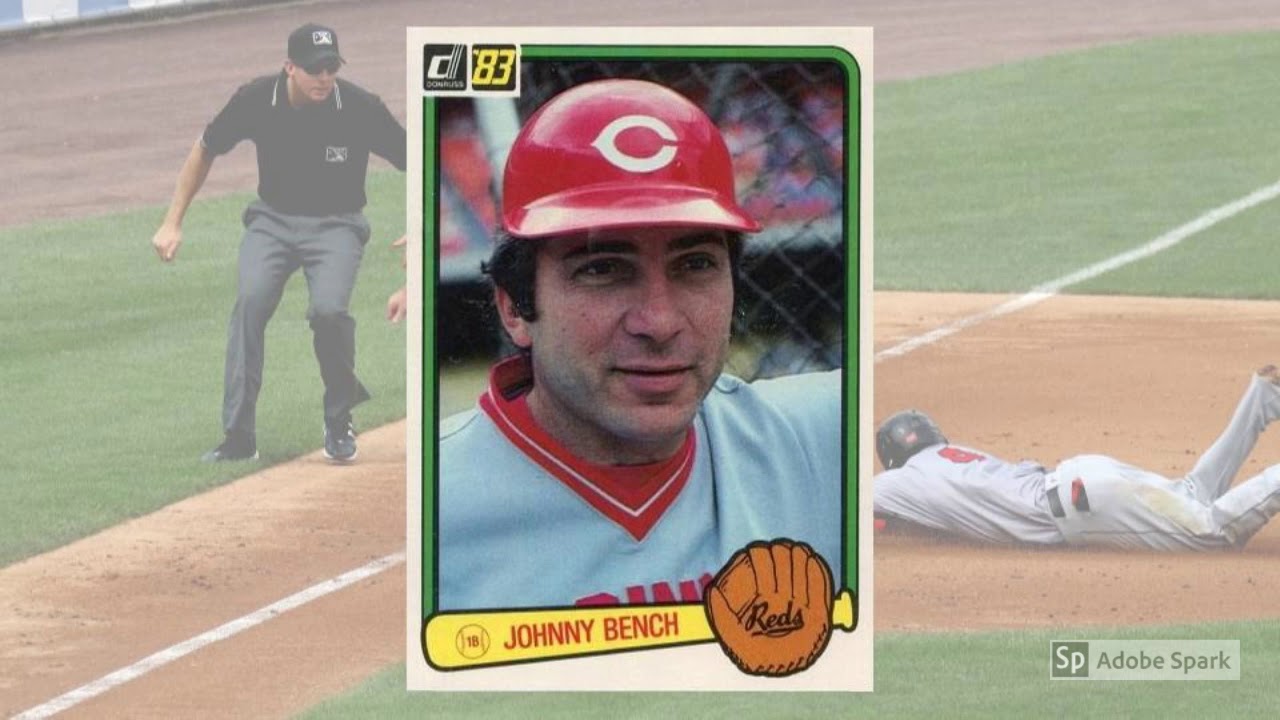
MOST VALUABLE 1981 DONRUSS BASEBALL CARDS

The 1981 Donruss baseball card set launched the Donruss brand into mainstream popularity within the baseball card collecting hobby. While not as iconic or valuable as the iconic rookie cards found in the 1952 Topps or 1968 Topps sets, the 1981 Donruss set featured several young superstar players who were just starting to breakthrough like Rickey Henderson, George Brett, and Nolan Ryan. Given that it has now been over 40 years since the set was released, many of the top rookie cards and star players from 1981 have grown significantly in value. Below is an in-depth examination of some of the most valuable 1981 Donruss baseball cards that fetch high prices at auction today.

One of the most coveted and valuable 1981 Donruss cards is the Rickey Henderson rookie card. Henderson went on to become a career .279 hitter with 3,055 hits, 297 stolen bases in a season (1982), and 130.6 bWAR. He was a 12-time All-Star, 5-time stolen base champion, American League MVP, and led the league in runs four separate times. Henderson’s dominance on the basepaths made him a fan favorite and one of the most exciting players of his generation. His rookie card, with its eye-catching photo of Henderson leaning back with his bat during his batting stance, is highly sought after by collectors. In high grade of NM-MT 7 or above, ungraded examples can sell for $500-$1,000 routinely. PSA 10 gem mint copies however command prices upwards of $5,000 due to their sheer rarity.

Another highly valuable 1981 Donruss card is that of Nolan Ryan. Already well established as a fireballing strikeout artist by 1981 with over 1,500 Ks to his name in just his first 7 seasons, Ryan’s days as an Astros were nearing an end as Houston chose not to re-sign the future Hall of Famer. his card shows “The Ryan Express” mid-windup, capturing the kinetic energy he brought to the mound. Ryan would go on to rack up 5,714 strikeouts, seven no-hitters, become baseball’s all-time strikeout and no-hitter king. In high grades, ungraded Ryan rookies sell between $200-$500 but PSA 10 examples have reached over $3,000 at auction.

Two other superstar rookie cards that have appreciated significantly over the decades are those of Fernando Valenzuela and Dave Righetti. Fernando “Fernandomania” Valenzuela took baseball by storm in 1981 winning Rookie of the Year and the Cy Young award while leading the Dodgers to a World Series title. His card, with its closeup portrait shot, is beloved by collectors for capturing the excitement of his rookie campaign. PSA 10 grades have sold as high as $4,000 in recent years while raw copies bring $200-500. Meanwhile, “Righetti’s Revenge” rookie card from his breakout 1981 season where he set the American League record with 46 saves saw him become one of the game’s premier closers. Top graded PSA 10 examples now sell for $800-1,200.

In addition to stars and rookies, the 1981 Donruss set featured many established veteran all-stars entering their primes. One of the most desired veteran cards is that of slugging third baseman George Brett. By 1981, Brett was a 3-time batting champ and considered one of the best pure hitters in baseball. His iconic stance is captured on his ’81 Donruss card mid-swing. In high grades, it can sell for $150-300. Hall of Fame pitcher Phil Niekro, then with over 300 career wins, also has a very desirable card from the set in PSA 10 condition valued at $400-600 due to his fame and longevity of success in the sport.

Two last particularly valuable 1981 Donruss cards worth highlighting are those of catcher Gary Carter and Dodgers ace Fernando Valenzuela. Carter, then already a 5-time All-Star and considered the best catcher in baseball, signed a massive free agent deal with the Mets prior to the ’81 season. His popular smile and intensity behind the plate made his one of the set’s most iconic issues. PSA 10 graded examples have reached $800-1,200. Valenzuela meanwhile had one of the most electric rookie seasons in MLB history in ’81 to earn Rookie of the Year. High grade copies of his dominant rookie card that was arguably the most popular issue from the ’81 set have sold for over $4,000.

While the vast majority of cards from the 1981 Donruss set hold relatively modest values, there are still many highly coveted star player and rookie cards that have increased tremendously in value in the decades since their release as those players legacies have grown. Cards like Rickey Henderson, Nolan Ryan, Fernando Valenzuela, George Brett, Gary Carter and others continue to be some of the crown jewels for collectors of the ’81 Donruss issue. With such beloved players and rookies featured that went on to Hall of Fame careers, the set remains a highly collected vintage release amongst baseball card enthusiasts even after 41 years.

1988 DONRUSS BASEBALL CARDS PRICE GUIDE

1988 Donruss Baseball Card Price Guide

The 1988 Donruss baseball card set was the 13th release from the popular sport card manufacturer. Coming off the 1987 set that featured the iconic Ken Griffey Jr rookie card, expectations were high for another memorable year of cards. While it didn’t produce any true legend rookie cards, the 1988 Donruss set offered baseball fans of the time exciting veteran stars and emerging young talents to collect. Over 30 years later, this vintage 80s release remains a stapular among collectors and provides a fascinating look at the players and teams from that era. Here is an in-depth price guide to help you value your 1988 Donruss baseball cards.

Base Set:
The 1988 Donruss base set contains 792 total cards issued in wax packs. The design features a player photo on the front with team logo and yellow bar at the top with stats on the back. Common base cards in near mint condition typically sell for $1-3. More sought after stars can fetch $5-10. Hall of Famers range from $10-25 with the very best editions of Mike Schmidt, Reggie Jackson, and Wade Boggs selling closer to $50-75. Rougher conditioned or less notable players usually trade for under $1.

Rookies:
While Ken Griffey Jr was the only true “rookie” star of the 1987 set, 1988 Donruss featured several solid young talents just starting out. The most valuable would be Mark McGwire’s rookie card, which in a PSA 10 Gem Mint can bring over $500. Other top rookies include Jim Abbott ($20-50), Gregg Jefferies ($10-25) and Jose Canseco ($15-30). Most other rookie cards fall in the $3-8 range depending on player and condition.

Top Prospects:
Donruss usually included a “Top Prospects” subset highlighting some of the best up and coming minor leaguers. In 1988 they featured a 17-card checklist. The most desirable card is doubtless Frank Thomas from his pre-White Sox days as a prospect. A PSA 10 copy sells for $150-250 today. Other notable prospects are Dwight Gooden ($20-40), Milt Thompson ($5-12) and Eric Davis ($10-20). Most others trade between $2-8.

Team Leaders:
This 19-card subset displays stats for top hitters and pitchers from 1987 for each franchise. The most notable include Joe Carter ($5-15), Rickey Henderson ($8-18) and Orel Hershiser ($7-15). There is demand for all so even no-names can sell in the $2-5 range depending on team popularity and condition.

Team Checks:
A simple but attractive 19-card design feature the team logo on a yellow Background. Top teams like the Dodgers, Mets and Yankees in gem condition can reach $8-12. Others sell around $3-6.

Team Logo Stickers:
Finding one of these elusive 9-card sticker subsets is a tough pull. Featuring colorful 3D team emblems on a diamond-patterned background, they are highly collected. The Yankees and Dodgers again lead the way value-wise at $15-25. Most others slot around $7-12.

Traded Sets:
Donruss issued updated players cards mid-season for those involved in trades. The most notable traded cards are Kirk Gibson ($10-18), Frank Viola ($5-12) and Tracy Jones ($3-7). These are scarcer than base cards and hold greater appeal to team collectors.

High Numbers:
Like most vintage sets, Donruss had additional player cards beyond the base 792. These “high numbers” run from #793-800 and include the likes of Lenny Dykstra and Wally Backman. Condition is key as always but expect $3-8 each on average.

Variation Cards:
A few oddball errors and variations popped up in 1988 Donruss. The scarcest include a “Tony Cowan” card accidently labeled as “Tony Gwynn” on the front. Others twist player names, photos or stats. High grades of these quirks can bring $25-125+.

Top Stars:
The most valuable individual star cards outside of rookies include Nolan Ryan ($15-35), Ozzie Smith ($12-28), Wade Boggs ($15-35) and Rickey Henderson (20-50). Hall of Famers and all-time greats tend to rise from there depending on player, team, and condition factors. A PSA 10 copy of a superstar could potentially sell for $100+.

Insets:
Donruss also offered mini diamond-sized players insets on the wrapper fronts. Despite being tiny at 1″ square, they are popular to complete. Commons fall under $1 but stars can hit $3-8. Full Wrappers with over 70 insets intact sell upwards of $100-200.

Overall Set Value:
A complete 1988 Donruss set in average near mint condition with all major subsets would conservatively hold a current value between $300-500. Higher grades pushing gem mint could potentially double that figure. Of course, individual star cards or key rookie editions may exceed the set total on their own. For collectors, having this full 80s release is a solid long term investment in baseball card history.

As with any vintage sports cards, it’s important to note values are guideline estimates only and real selling prices may vary based on exact condition, deals, market forces and demand for certain players. The late 80s Donruss designs remain fan favorites that transport collectors back to that era. With future Hall of Famers like Thomas, McGwire and more, the 1988 set has proven to stand the test of time for card collecting enthusiasts.

1988 DONRUSS BASEBALL CARDS 62

The 1988 Donruss baseball card #62 features one of the greatest third basemen in MLB history, Mike Schmidt. Coming off a monster 1987 season where he batted .295 with 37 home runs and 119 RBI’s at age 38, Schmidt was still near the top of his game as he entered his age 39 season in 1988 depicted on this classic Donruss card.

By 1988, Schmidt had long cemented his legacy as perhaps the greatest power hitting third baseman of all-time. In 17 seasons with the Philadelphia Phillies from 1972-1989, Schmidt smashed 548 home runs which at the time of his retirement was the most all-time by a third baseman. His career total stands as third most at the hot corner behind only Adrián Beltré and Eddie Mathews. Schmidt’s career batting average was an impressive .267 and he drove in 1,595 runs which also trails only Beltré and Mathews among third basemen in MLB history. Schmidt’s eight Silver Slugger Awards for being the best offensive player at his position in a league and 12 All-Star selections during his career is a testament to his consistent excellence at the plate for nearly two decades in Philadelphia.

On the 1988 Donruss card #62, Schmidt is shown in his classic Phillies uniform from the waist up in a head shot. He sports his usual mustache and stare with a serious look of determination on his face. The photo selected to represent Schmidt truly captures his legendary toughness and competitiveness that served as the backbone of many Philadelphia playoff and World Series teams throughout the 1970s and early 1980s. The simple blue and white design of the card borders remains largely unchanged from previous Donruss issues and features Schmidt’s key stats and career highlights in small font along the bottom.

Despite battling injuries late in his career, Schmidt continued producing at an All-Star caliber level in 1988. Though limited to 119 games, Schmidt managed to hit 27 home runs and drive in 80 runs with a .245 batting average. His 27 homers ranked 10th in the National League that season and his 80 RBI’s would have been a career-high had he qualified. Schmidt’s superb discipline at the plate and ability to work counts helped him draw 74 walks in 1988. His .344 on-base percentage was testament to this underrated skill and helped him continue contributing value even as his average declined with age.

This 1988 Donruss card is a true keepsake for any Phillies or Mike Schmidt collector. Not only does it capture one of the final seasons of Schmidt’s Hall of Fame career, but it was also the last baseball card produced while Schmidt was an active player in Major League Baseball. Schmidt would play one more season in 1989 before finally retiring after 18 years in a Phillies uniform. His life and career accomplishments would be honored that fall with his induction into the Baseball Hall of Fame, becoming only the second third baseman ever elected in their first year of eligibility along with George Brett.

Fittingly, Schmidt’s plaque in Cooperstown immortalizes him as “A power hitter without peer in the 1970s and 1980s… Schmidt redefined the hot corner.” The 1988 Donruss #62 captures Schmidt during this legendary peak of his career where he was widely considered the best player in baseball for much of the 1970s and early 1980s. His no-nonsense demeanor perfectly fit the unofficial “Phillies Way” attitude preached under managers like Danny Ozark that led to consistent success. Schmidt battled injuries late but never lost his competitive fire which pushed teammates and helped the Phillies reach the 1983 World Series.

Over 30 years later, the 1988 Donruss Mike Schmidt baseball card remains one of the most desirable in the entire set for collectors. Its rarity, the star power of Schmidt as one of the all-time greats, and nostalgia for Phillies fans of that era make this a true “holy grail” find. In near-mint condition, graded examples of this card have sold for upwards of $500 given its significance and significance. For younger collectors just getting to know the legend of Schmidt through highlights and stats, finding his 1988 Donruss would be a real treat. This card perfectly captures “The Schmitter” during the back end of a first-ballot Hall of Fame career that redefined the hot corner for a generation.

The 1988 Donruss #62 Mike Schmidt card stands out as a true piece of Phillies and baseball history. It commemorates one of Schmidt’s final seasons cementing his status as perhaps the greatest power-hitting third baseman in MLB history. The simple yet iconic design from Donruss enhances the card’s retro appeal. Over 30 years later, Schmidt’s no-nonsense competitive fire still shines through in the classic headshot. For any fan or collector of Schmidt, the Phillies, or 1980s baseball cards in general, finding this gem remains a highly coveted prize.

89 DONRUSS BASEBALL CARDS WORTH MONEY

The 1989 Donruss baseball card set is one of the most iconic and valuable sets from the late 1980s. While it may not be as well known as the iconic 1987 or 1988 Topps sets, the ’89 Donruss set featured some huge young stars and future Hall of Famers that have maintained their value over the decades. Let’s take an in-depth look at some of the key 1989 Donruss rookie cards and other cards that are worth significant money today for collectors.

One of the biggest stars and most valuable cards from the 1989 Donruss set is the Ken Griffey Jr. rookie card. Griffey was already one of the game’s brightest young stars in 1989 after making his major league debut at age 19 the previous season. His sweet left-handed swing and effortless athleticism made him a fan favorite. The Griffey rookie card has maintained iconic status among collectors and has increased steadily in value over the years. In near-mint to mint condition, the Griffey ’89 Donruss rookie will fetch $300-500. High-grade copies in gem mint (MT-10) condition have sold for over $2,000.

Another huge star and valuable rookie from the 1989 Donruss set is the Barry Bonds card. Bonds was already establishing himself as one of the game’s best players in 1989, his third big league season. His rookie season in 1986 was with the Pittsburgh Pirates. But the ’89 Donruss card is considered his true rookie by most collectors since it was the first card released of him as a regular player after breaking out. High-grade Bonds rookies in MT-8 or above condition can sell for $150-250. Like Griffey, the Bonds has increased in value steadily and is a must-have for any vintage baseball card collection.

In addition to Griffey and Bonds, the 1989 Donruss set featured several other young stars who would go on to have Hall of Fame careers, making their rookie cards quite valuable today. One is the Tom Glavine rookie card. Glavine had just broken into the majors with the Atlanta Braves in 1987 but established himself as one of their staff aces by 1989. His rookie card typically sells for $75-125 in top condition. Another is the Greg Maddux rookie, which fetches a similar $75-125 price range for an MT-8 or better copy. Both Glavine and Maddux would have dominant careers and anchor some of the best Braves staffs of all time.

In addition to rookie stars, the 1989 Donruss set also featured cards of established veterans that have maintained or increased in value. One is the Nolan Ryan card from his final season in the majors with the Texas Rangers. Ryan was already a living legend in 1989 at age 42, holding numerous career records. His ’89 Donruss card sells for $15-25 and is a must-have for any Ryan collection. Another is the Ozzie Smith card from his prime years with the St. Louis Cardinals. As one of the best defensive shortstops ever, Smith’s smooth fielding made him a fan favorite. His ’89 Donruss card can fetch $10-15.

The 1989 Donruss set also featured cards of young stars who were just breaking out but hadn’t achieved superstardom yet. Their cards have increased significantly in value as their careers developed. One is the Frank Thomas rookie, which sells in the $75-125 range. Thomas would go on to have one of the best power-hitting careers for a first baseman ever. Another is the Jeff Bagwell rookie, which fetches $50-100 depending on condition. Bagwell established himself as one of the game’s top sluggers in the 1990s. Both Thomas and Bagwell have seen steady increases in the values of their rookie cards over the years.

While stars like Griffey, Bonds, Glavine and Maddux dominate the high-end of the 1989 Donruss set in terms of value, there are also several other valuable cards outside the rookies. One is the Rickey Henderson card from his prime years dominating stolen bases with the Oakland A’s. In top condition, it sells for $15-25. Another is the Wade Boggs card from his batting title years with the Boston Red Sox. It goes for $10-15. The Nolan Ryan Express insert card, featuring an action shot of the flamethrower in peak form, commands $25-50 depending on condition. The Mike Schmidt MVP Tribute parallel insert is also quite valuable at $20-40.

While it may not achieve the same lofty heights as the 1987 or 1988 Topps sets, the 1989 Donruss baseball card set remains a gold mine for collectors. It features the rookie cards of future Hall of Famers like Ken Griffey Jr., Barry Bonds, Tom Glavine and Greg Maddux. It also has valuable cards of stars in their prime like Rickey Henderson, Wade Boggs and Nolan Ryan. For young star cards, the Frank Thomas and Jeff Bagwell rookies stand out. Across the board, values have increased steadily for this iconic ’80s set over the decades. With its star power and nostalgia factor, the 1989 Donruss set looks poised to remain a collector favorite and maintain strong values for years to come.

1989 BASEBALL CARDS WORTH MONEY DONRUSS

The 1989 Donruss baseball card set holds several highly sought after rookie cards and cards of established stars from that era that can be worth a decent amount of money today in the right condition. The 1980s was a boom time for baseball cards when collectors were snapping them up rapidly. While the 80s Donruss sets are not as valuable overall as the iconic late ’80s Topps sets on average, there are still gems to be found that can bring in serious cash for collectors if preserved well. Let’s take a closer look at some of the key 1989 Donruss cards to watch out for that could earn you money.

One of the biggest money cards from the 1989 Donruss set is the Ken Griffey Jr. rookie card. Griffey emerged as a true superstar in his playing career and remains one of the most beloved players to this day, making his rookie cards highly desirable collectibles. In pristine Near Mint to Mint condition, the Griffey Jr. rookie commonly fetches $150-300. Well-centered Excellent condition examples can still pull in $75-150, showing the card’s enduring popularity among collectors. While not quite as valuable as his Upper Deck or Bowman rookie cards, the Griffey Donruss rookie still holds strong value.

Another highly sought rookie card is that of San Diego Padres starting pitcher Andy Benes. Benes enjoyed a solid 15-year MLB career and his rookie is one of the more valuable non-superstar cards from 1989 Donruss. In Near Mint to Mint condition, the Benes rookie card sells for $25-50 regularly. Very nicely centered cards in Excellent shape go for around $15-25. Considering it’s one of the more affordable star rookie cards from that year, the Benes is a great option for collectors on a budget. Condition is especially important though, as more worn copies can sell for just a few dollars.

Continuing with rookie cards, the 1989 Donruss issue of San Francisco Giants starting pitcher John Burkett also maintains decent value. Burkett had moments of All-Star caliber performance over his long career and his rookie remains one of the pricier cards for a non-supernova player from that set. Near Mint to Mint Burkett rookies change hands for $15-30. Nicely centered Excellent condition copies can be had for $10-15. As with Benes, centering and condition have a major bearing on the card’s price. More played versions will only yield $3-5.

One of the true superstars featured in the 1989 Donruss set is Nolan Ryan, already well into his legendary career by that point. His familiar smiling face and blazing fastball made him hugely popular among collectors even in the later stages of his playing days. A pristine Ryan card from ’89 can demand $15-25. Very nicely centered cards in the 8.5-9 grade range on the 10-point scale will pull in $10-15 online. Even well-worn but identifiable copies in Poor to Fair condition can get a couple bucks on the market. Ryan’s enduring stature maintains collector interest in his vintage cards across conditions and issuers.

Two other veteran superstars who command strong prices in the 1989 Donruss roster are Orel Hershiser and Wade Boggs. Hershiser was coming off his record-setting 1988 season and World Series performance, making his cards very collectible entering 1989. Near Mint Hershiser cards sell in the $10-15 range. Nice centered copies graded Excellent can bring $7-10 still. Wade Boggs, meanwhile, was already a seven-time batting champ by ’89 and his smooth lefty swing made him a fan favorite for card collectors. Boggs cards priced in the $7-12 bracket near mint, $5-7 excellent. Both of these 1980s icons hold value across most of their vintage issues thanks to storied careers and popularity.

Beyond the elite rookies and stars, there are a few other key 1989 Donruss cards to know about if you come across them in your collections. Mark McGwire had his breakout 49 home run season in ’87, making his ’89 Donruss issue a sleeper hit for collectors prior to the steroid era. Near mint McGwire sells in the $7-12 range today. Will Clark’s smooth lefty swing also earned him a strong following on the west coast and in the hobby. Nicely centered Clark cards from ’89 go for $5-8 near mint. And Dave Stewart, who had just won the second of his three World Series rings with the A’s, has a $3-5 near mint value given his popularity in Oakland.

Centering, sharpness of image, and lack of creasing/whitening are essential to maximizing the value of any key 1989 Donruss card you may have. Top rookie and star issues from the set have the most earning potential for collectors if preserved exceptionally well. But there are also opportunities to profit even on more moderately graded copies of specific players. For a mainstream ‘80s release, the 1989 Donruss set holds up remarkably well value-wise thanks to memorable rookie debuts and consistent performances from iconic veterans of the era. With patience and savvy selling, choice examples could make for a nice payday down the road.

RARE 1990 DONRUSS BASEBALL CARDS

The 1990 Donruss baseball card set is one of the most iconic and sought after issues in the hobby due to its memorable design and inclusion of some extremely valuable rookie cards. While the base cards are relatively common to find in good condition today, there are a select number of elusive short prints and special parallel inserts that have become highly prized by collectors. With the 1990 Donruss set marking Griffey Jr.’s rookie year and being sandwiched between the influential 1989 and 1991 Topps flagship releases, it has developed a strong cult following over the past three decades. Let’s take an in-depth look at some of the true gems from the 1990 Donruss set that can fetch big money today.

Ken Griffey Jr. Rookie Card (#1): Widely considered the crown jewel of the 1990 Donruss issue, Griffey’s dazzling rookie is arguably the most famous and iconic card in baseball history. With its stunning photograph of “The Kid” in mid-swing against a colorful floral backdrop, the design perfectly captured Griffey’s rookie superstar status and excitement around his arrival in the majors. In pristine mint condition, a Griffey Jr. rookie PSA 10 today can sell for over $10,000. Even well-worn raw copies still command hundreds due to extreme demand from collectors. Griffey’s popularity and talent ensured this card would become the benchmark in the hobby.

Frank Thomas Rookie Card (#349): While overshadowed by Griffey, Junior’s fellow breakout star Frank Thomas also had a phenomenal rookie season with the White Sox in 1990. His Donruss RC features “The Big Hurt” striding toward the plate and was one of the top rookies to chase alongside Junior that year. High-grade Thomas rookies now sell for $1,000-2,000 depending on condition, but remain scarce PSA 10 specimens that can reach $5,000+. Even for a player from the same set as Griffey, the Thomas rookie holds significant currency as a key piece of baseball card history.

Nolan Ryan Mini Record Breaker (#132): One of the true short prints in the 1990 Donruss set, the mini version of Nolan Ryan’s “Record Breaker” insert is elusive due to its much lower print run compared to the standard size parallel. Measuring a tiny 1″ x 1.5″, Ryan is depicted breaking Sandy Koufax’s strikeout record in this special parallel issue. High grade examples are exceedingly rare and can fetch upwards of $1,000 when they surface, showing the intense demand for chase parallels like this from vintage ’90 Donruss.

Ken Griffey Jr. Black Velvet (#1): Arguably the most sought-after parallel from the base 1990 Donruss issue, Griffey’s black velvet parallel takes his already iconic rookie card design and supercharges it with a bold matte black border and foil accents. Only available through limited box toppers or redemptions from buying a full case of cards, a true PSA 10 black velvet Griffey is one of the holy grails for set collectors. Recent sales have seen them reach astronomical prices in the $30,000+ range, truly exemplifying the pull of Griffey’s legendary rookie status.

Frank Thomas Tek Gold (#349): One of the premier insert sets from 1990 Donruss was the high-tech “Tek” parallel photos. Featuring additional metallic foiling and borders, Thomas’ rookie stood out in the gold variation. Numbered to only 250 copies, a mint example would be a centerpiece for any collection. Though less rare than the Black Velvet parallel, a PSA 10 gold Tek Frank Thomas still commands thousands in the current market. It represents one of the most visually striking versions of the future 500 HR hitter’s first card.

Roberto Alomar Mini Leaders (#244): Much like the Nolan Ryan short print mini mentioned above, Alomar’s mini parallel Leaders insert is a true Donruss anomaly from 1990. Numbered even lower around 100 copies or less, it shows a tiny close-up photo of the Blue Jays’ star in mid-swing. An absolute ghost to even raw collectors today, a pristine PSA 10 mini Alomar Leaders in the $5,000 range would barely move the needle on its intrinsic collectibility and rarity factor within the set.

Tom Glavine Mini Record Breaker (#293): Rounding out the ultra-short print mini parallels, Glavine’s minuscule Record Breaker pays homage to his pitching domination during his early Atlanta Braves career. Another single-digit print run variation, it exemplifies the difficulty collectors had in obtaining every parallel issue from the flagship ’90 Donruss release. Raw copies sell for hundreds alone based on rarity, with high graded pieces eclipsing $1,000+ when they surface decades later.

While Griffey Jr.’s rookie card stands head and shoulders above all in terms of demand, there are several short prints and inserts within the 1990 Donruss set that represent true prizes for collectors. Especially when found in pristine gradable condition after 30 years, they offer a glimpse into this classic release’s immense influence on the hobby during its peak early 1990s boom period in American sports cards. For set builders and vintage card investors, finding any of these unique parallels still hidden away in collections represents a tremendous score.

1983 DONRUSS LARGE BASEBALL CARDS VALUE

The 1983 Donruss large baseball card set is one of the iconic vintage card releases that holds strong nostalgia and value for collectors from that era. Despite not being the flagship Topps set in 1983, Donruss produced larger 3.5″ x 5″ sized cards that provided more visual real estate for action photos compared to the standard size cards from Topps. While the design was simple with just a player’s photo and basic stats on the front, the larger size was appreciated by many collectors at the time.

While produced in high numbers and not as scarce as some other vintage releases, the 1983 Donruss cards have maintained decent value over the decades given the nostalgia for the 1980s baseball card boom period. Gradedgemint 10 examples of star rookies and hall of fame players regularly sell for hundreds of dollars today. Even common ungraded cards of popular players can still fetch $10-20 each online. This value and demand is a testament to the strong designs and photography of the set combined with the collecting frenzy of the early 80s.

One of the top valuable cards from the 1983 Donruss set is the Darryl Strawberry rookie card. As one of the young superstars to emerge in the early 1980s, Strawberry’s raw talent and highlight reel plays made him tremendously popular even as a rookie. His card became one of the most sought after for young collectors. In PSA 10 gem mint condition, examples of Strawberry’s rookie regularly sell for $300-500. Even lower grade copies still command $50-100 due to the nostalgia and rookie card status. With Strawberry going on to have a solid 17 year MLB career including an MVP award, the value remains high for this iconic card.

Another key rookie from the set is the Ryne Sandberg card. As the 1984 NL MVP and perennial all-star for the Chicago Cubs, Sandberg is remembered as one of the great second basemen of all-time. His rookie card was highly collected at the time and remains a must-have for Cubs and vintage card collectors today. PSA 10 examples typically sell in the $150-250 range. Even well-worn copies can fetch $20-50. Despite the high print run of Donruss cards compared to other brands, Sandberg’s star power and pedigree keeps his rookie at the top of the set’s value.

Hall of famers like Eddie Murray, Wade Boggs, and Tony Gwynn also have valuable cards in the 1983 Donruss set given their sustained excellence and longevity in the majors. A PSA 10 Murray rookie would sell around $100-150. Boggs and Gwynn rookies in the same grade range from $75-125 depending on the market. While less than the Strawberry and Sandberg rookie values, these cards maintain strength due to the players induction into Cooperstown. Even well-loved stars who fell just short of the hall like Tim Raines, Keith Hernandez, and Jim Rice have $10-30 common copies due to their great 1980s careers.

Beyond the premier rookies, there are also opportunistic high values to be found within star veteran cards in the set. A PSA 10 1984 Topps Mark McGwire rookie would sell for over $1000 today. But his 1983 Donruss rookie card holds similar nostalgia and can sometimes be acquired for much less. Graded examples range from $150-300 depending on recent eBay sales. Other examples include a PSA 10 Wade Boggs at around $150 given his high batting titles, or Ozzie Smith near $100 as a defensive wizard and fan favorite.

While the designs are simple compared to modern parallels and short prints, many enjoy the large classic photography on the 1983 Donruss cards. For set builders, a complete roster set can usually be acquired for $100-200 if patience is used to find the harder short print veterans. Even partial sets focusing on a player’s career or a single team have value. For example, a near complete Cubs team set could sell for $50-75 depending on condition of stars like Sandberg, Sutcliffe, and Rick Sutcliffe. In the rough world of vintage card investing, the 1983 Donruss set provides entertainment and solid long term value tied strongly to the players performed during baseball’s boom years.

While produced in high numbers the 1983 Donruss large baseball card set maintains value decades later due to the exciting rookie additions and long careers of its main stars. Iconic rookies like Strawberry and Sandberg hold the highest prices but hall of fame veterans and 1980s fan favorites can still be acquired for $10-100 depending on name and condition. Set builders also enjoy locating complete or team subsets. Due to the simplicity of design yet nostalgia for the mega-popular early 1980s, the 1983 Donruss cards remain a fun and relatively affordable vintage investment for collectors today.

YouTube player

DONRUSS 91 BASEBALL ERROR CARDS

The 1991 Donruss baseball card set is one of the most iconic and sought after sets for collectors due to the numerous production errors that occurred. While errors can decrease the monetary value of most cards, the scarcity and intrigue surrounding these mistakes has made certain 1991 Donruss variants highly valuable. The set had a standard 524 card base issue but due to problems during the printing process, a number of irregular cards entered the market. These anomalies ranged from missing or incorrect text and statistics to miscuts and color variations. With such a variety of mistakes present, it’s no wonder error collectors consider the 1991 Donruss release as one of the holy grails in their hobby.

One of the most famous errors from 1991 Donruss are the “blank back” cards. Due to an issue at the factory, approximately 50 cards were accidentally printed with completely blank white backs instead of the normal stats and career highlights text. The blank backs had no indication they were baseball cards at all and some mistakenly ended up being given out as prizes or kept as odd collectibles unaware of their true value. Some of the more notable players who had blank back variants pulled include Ken Griffey Jr., Nolan Ryan, Cal Ripken Jr. and Wade Boggs. With so few known to exist, these blanks can demand prices well over $1000 each depending on the player featured.

Another common mistake seen are “missing name” cards. A glitch in the printing plates caused around 20 different players’ names to be omitted from their respective cards. The card designs and photos remained normal but there would be an empty white space where the player’s first and last name typically appears at the top. Rarer still are cases where a random name was misprinted instead of being left blank. A Frank Thomas card missing his name but printed with “Tom Glavine” in its place is considered the holy grail for missing name collectors. Prices start at $500 for most players but can reach $2000-3000 for superstars like Thomas whose nameless variants are exceptionally scarce.

In terms of miscuts, the 1991 Donruss set housed some dramatic errors that caused portions of cards to be sliced off or doubled. The most infamous involves Nolan Ryan whose card was cut so poorly that only his neck and partially shown face remained on the front. Known as the “neck” card, this slice has become the poster boy for the set’s miscuts. Other examples include cards missing the player’s photo entirely or sections of statistics duplicated. Alignment issues were also frequent, resulting in cards where the image was noticeably off-center. While less than the blank backs, approximately 100 miscut cards have been reported across the entire set. Condition sensitive errors like these can demand over $500 but the Nolan Ryan neck has sold for upwards of $3500 in top grades.

Color variations provide another layer of intrigue to 1991 Donruss errors. The majority of the set was printed with a standard blue border but a small percentage saw different hues sneak in. Among the rarest are green-bordered versions of Mark McGwire, Cal Ripken Jr. and Ozzie Smith estimated to fewer than 10 of each known. Even more obscure are the scarce red-bordered Barry Bonds and Ken Griffey Jr. cards believed to have 5 or less in collectors’ hands. Prices start at $1000 for most color variants but the elusive reds and greens can reach the $3000-5000 range. Another color oddity was the misprinted sepia-toned Barry Larkin card that has just one reported copy in collectors’ archives.

Beyond the physical errors, a number of statistical mistakes occurred as well. Incorrect home run or RBI totals were accidentally published on various cards. The most valuable of these “stat errors” feature Hall of Famers like Wade Boggs whose card listed an impossible 320 home runs. Others showed birthdates or positions incorrectly. While less visually dramatic than miscuts or colors, authenticated examples with quantifiable stat flaws still attract prices of $200-500 based on the player and rarity of the mistake.

The 1991 Donruss baseball card set endures as one of the hobby’s greatest errors thanks to the sheer volume and variety of anomalies produced. While problems plagued the printing process over 30 years ago, they have served to increase collector interest and values over time. The numerous blank backs, miscuts, color variants, missing names and statistical blunders have captivated error card aficionados for generations. Even relatively common mistakes in lower grades can still hold valuations of $100-200 based purely on their intriguing histories. For advanced collectors, examples of the elusive 1/1 stat errors or misprinted Hall of Famers continue to enter the realm of ultra-high end collecting where $5000+ price tags are attainable. The 1991 Donruss release stands as a true landmark year for errors and one of the most iconic sets for enthusiasts of manufacturing mistakes and anomalies in the card world.

MOST VALUABLE 1992 DONRUSS BASEBALL CARDS

The 1992 Donruss baseball card set is considered one of the most iconic issues from the brand’s golden era in the late 1980s and early 1990s. While it lacked the high-quality photography and creative designs of some other brands at the time, Donruss cards from this period still hold significant nostalgia and collector value for many. The 1992 Donruss set in particular features some extremely valuable rookie and star player cards that have stood the test of time.

One of the most notable rookies featured in the 1992 Donruss set is pitcher Tom Glavine of the Atlanta Braves. Glavine would go on to have a Hall of Fame career that included 305 wins, two Cy Young Awards, and two World Series championships with Atlanta. His coveted rookie card from the ’92 Donruss set is among the most valuable from the entire issue. In near-mint to mint condition, Glavine’s rookie frequently sells for over $100. Graded mint copies in Gem Mint 10 condition from Professional Sports Authenticator (PSA) or Beckett Grading Services (BGS) have sold for as much as $1000 or more.

Another tremendous rookie card from 1992 Donruss is pitcher Pedro Martinez. Like Glavine, Martinez would also earn enshrinement in the Hall of Fame thanks to a dominant career mostly spent with the Montreal Expos and Boston Red Sox. He won three Cy Young Awards and helped the Red Sox to a World Series title in 2004. Martinez’s rookies in PSA 10 or BGS 10 grade easily eclipse $500, while even well-centered near-mint copies trade hands for $100 or greater. Few rookie cards hold as much cachet and long-term value as these all-time pitching greats from the ’92 Donruss set.

In addition to top rookie cards, the headlining veteran and star player selections from 1992 Donruss also command high prices. Considered one of the set’s true gems is the Kirby Puckett card. The perennial American League All-Star and six-time Gold Glove winner had led the Minnesota Twins to World Series victories in 1987 and 1991 at the time of this issue. High-grade Puckett rookies are quite scarce and expensive, but even his common card from the 1992 Donruss set fetches $50-100 in top condition due to his tremendous popularity. Copies verified gem mint by the major graders can bring over $300.

Another consistently strong performing veteran featured prominently in 1992 Donruss is Atlanta Braves third baseman Chipper Jones. At just 20 years old in 1992, Jones was already showing signs of the future Hall of Famer he would become. Today, his sophomore season card is one of the most sought-after from the entire set. PSA 10 and BGS 10 grades change hands for $300-500 minimum. Even well-centered near-mint copies command $100. Few players epitomize 1990s Atlanta Braves baseball like Jones, making his ’92 Donruss one of the premier veteran pickups from the product.

Rounding out the true heavy hitters of value from 1992 Donruss are the star rookies of Gregg Jefferies and Barry Bonds. Jefferies was a hugely touted prospect for the St. Louis Cardinals and his rookie card frequently tops $50 even in played condition. Higher graded versions climb above $150. Meanwhile, the rookie card of future home run king Barry Bonds is always in high demand despite its relative unremarkability visually. PSA/BGS 10 grades bring $300-500, with pristine near-mint copies selling for $100-200. Both players were heralded coming into the 1992 season and their rookie cards never cease to pique collector interest nearly 30 years later.

Several other noteworthy1992 Donruss cards that maintain strong prices based on player performance and career accomplishments include Ken Griffey Jr., Frank Thomas, John Smoltz, Jeff Bagwell, and Mark McGwire. Even stars whose careers ended in controversy like McGwire and Bagwell still attract serious collector dollars for their ’92 rookie issues. Similarly, popular veterans like Cal Ripken Jr., Wade Boggs, and Ozzie Smith command pricing proportional to the accolades of their careers.

While production values and visual design were not the strongest points of the 1992 Donruss baseball card set compared to competitors, it retains immense nostalgia and appeal for collectors due to the all-time great players featured as rookies or young stars. High-grade examples of the Tom Glavine, Pedro Martinez, Kirby Puckett, Chipper Jones, Barry Bonds and Gregg Jefferies rookies are considered crown jewels for aficionados of the brand and era. The stars and stories contained within the 1992 Donruss set ensure it will remain a fundamental part of the baseball card collecting lexicon for decades to come. When found in pristine condition, these classic cards prove their durability as sound long-term investments on par with any issue from the late 20th century sports collecting boom.