
Tag Archives: cards

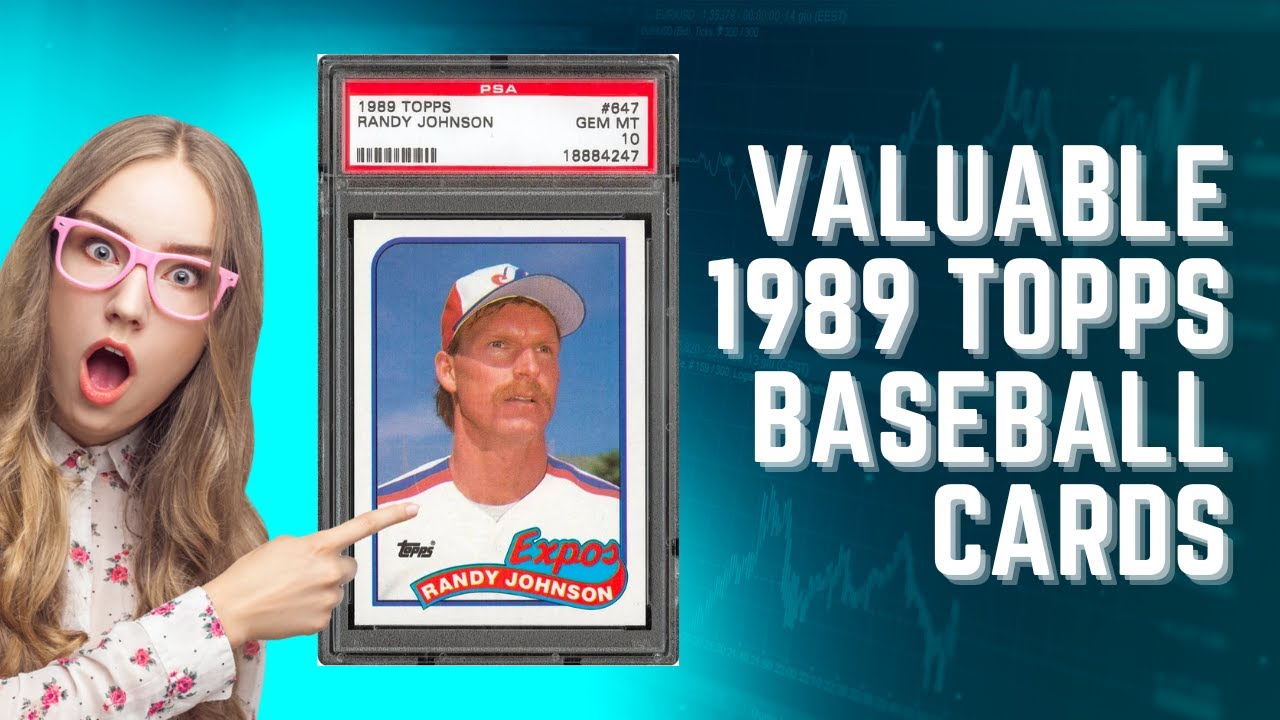
ARE 1989 TOPPS BASEBALL CARDS WORTH ANYTHING?

The 1989 Topps baseball card set is considered one of the more notable and valuable sets from the late 1980s. There are several factors that contribute to some 1989 Topps cards holding respectable value after over 30 years since their original release.

To start, the 1989 season marked several historical milestones and performances in Major League Baseball. The Oakland Athletics completed an unprecedented “Three-Peat” by winning their third consecutive World Series title. Meanwhile, Skinny Roger Clemens began his peak with the Boston Red Sox by winning his first of seven career Cy Young Awards after posting a 20-9 record with a 2.94 ERA and 198 strikeouts. Rookie phenom Ken Griffey Jr. broke into the league with Seattle and won Rookie of the Year.

Cards featuring starters or key contributors from those championship Oakland A’s teams like Dave Stewart, Dennis Eckersley, and Rickey Henderson can carry substantial value today. Rookie cards of future Hall of Famers like Griffey and Clemens are also highly sought after from the 1989 Topps set. Griffey’s rookie card in particular frequently trades hands for hundreds of dollars or more in top-graded condition due to his iconic career and staying power as one of the most popular players ever.

In addition to capturing memorable seasons and rosters, the Topps design in 1989 had a classic, understated look that has aged well and remains popular with collectors. The photography is sharp, colors are vibrant, and the white borders provide a clean presentation that stands out against sets from other contemporaneous brands like Fleer and Donruss that opted for bolder graphic designs in the late 80s. The simplicity and quality control of Topps cards from this period enabled many to remain in good condition when stored properly.

Population reports from tracking services also indicate the 1989 Topps set has a fairly low overall print run compared to many other modern issues. With 660 total cards, the odds of obtaining some of the chase inserts or stars were always long. Lower populations three decades later contribute to maintaining or increasing demand and values for many key ‘89s.

The condition and grade of an individual card remains the most important single factor when assessing its current worth. But in top-graded forms like Mint or Gem Mint 10, there are dozens of ‘89 Topps singles that can be valued anywhere from $50 all the way up into the thousands. These include the above-mentioned rookies of Griffey Jr. and Clemens, as well as other coveted first-year hits like Sandy Alomar Jr., Moises Alou, and Bobby Witt.

Hall of Famers like Rickey Henderson, Wade Boggs, Nolan Ryan, and Ozzie Smith command 4-figure prices in pristine shape given their Hall of Fame careers and the set’s longevity as a core “vintage” issue. Autograph and serially numbered parallels like the ‘Traded’ and ‘Record Breakers’ inserts from ‘89 are similarly highly valued at the top of the investment grading scale.

Even more common ‘89 cards featuring solid major leaguers can hold value graded and preserved in top condition. Examples being starters like Bret Saberhagen, Jose Canseco, Darryl Strawberry, or relievers like Lee Smith and Dennis Cook. Their absence from many collections broken down over the decades helps support prices of $25-$100 each for high-grade examples today on the secondary market.

While there are certainly many dull, common 1989 Topps baseball cards worth just a few dollars that are easily obtainable, the set as a whole maintains relevance and solid returns potential for savvy collectors and investors. Strong production values, historical seasons and players captured, and relatively low surviving populations make many key ‘89 Topps singles worth holding onto and even searching for in pristine state if adding to a set or portfolio. Three decades later it remains one of the most popular and collectible annual issues from the late 1980s.
YouTube player

WHO GRADES BASEBALL CARDS IN SAN ANTONIO

Professional Sports Authenticator (PSA) – One of the largest and most well-known third-party grading services. They have an office located in Dania Beach, Florida that handles grading submissions from all over the country. While they don’t have a physical location in San Antonio specifically, collectors in the area can submit their cards to PSA for grading through the mail using their prepaid shipping labels. Turnaround times tend to range from a few weeks to several months depending on the particular service level selected. PSA uses a numeric 1-10 scale to grade card condition and guarantees their assessments with a money-back option if a card is deemed to have been wrongly graded. They also thoroughly research cards to verify authenticity and catch counterfeits.

Beckett Grading Services (BGS) – Another top player in the industry like PSA. Similar to how PSA operates, BGS does not have a local office in San Antonio but accepts grading submissions by mail. They also utilize a 1-10 condition scale and aim to identify fakes. Key differences compared to PSA are that BGS encases cards in plastic holders instead of using penny sleeves and labels. They also offer additional detail grades for centering, corners, edges, and surfaces beyond the basic raw grade. Turnaround times and cost tend to be on par with what collectors would find with PSA.

Sportscard Guaranty (SGC) – A viable lower-cost alternative to PSA and BGS that does have a physical grading headquarters located in Chicago, Illinois. While not local to San Antonio, SGC still makes the mailing submission process convenient for collectors in the area. They pride themselves on faster turnaround times averaging 2-6 weeks depending on tier. Grading costs are generally lower than PSA or BGS as well. Condition benchmarks use a 1-10 scale like the others. SGC holders and labels provide sufficient protection while carrying high resale value due to their reputation.

TCG Player Graded – A niche grading company that focuses specifically on modern cards from the 2000s onward only. Similar to the major competitors, TCG Player Graded accepts mail submissions graded on a 1-10 scale. Recent turnaround times have been upwards of 3-6 months which is reasonable given their more limited scope. Significant cost savings compared to bigger names make them a practical choice for modern collectors seeking an initial grade. Slabs integrate with TCG Player’s broader marketplace functions once a card’s condition is certified.

HGA (Hero Graded Auto) – A relatively new player in the sports card grading space with ambitions to compete directly with the top dogs. Headquartered in Metairie, Louisiana so still a mail-in service from San Antonio. Distinguishes itself with clear tamper-evident slab cases to reassure buyers of authenticity in addition to standard grading. Turnaround is targeted at 3-6 weeks. Still working to establish trust and track record compares to more established competition, but growing rapidly thanks to fan focus and competitive pricing. Received endorsements from notable athletes promoting the brand.

Classic Collectibles – A local San Antonio company specializing in vintage and antique collectibles, including older baseball and sports cards. While they do not offer mainstream third-party grading per se, Classic Collectibles can provide professional authentication and valuation certificates with detailed condition notations and history research for older/rare pieces. This authenticity documentation adds provenance that supports resale value without requiring shipping cards elsewhere. Consultations and education services for San Antonio-area collectors are also part of their offerings.

The major national players like PSA, BGS, and SGC facilitate sports card grading for San Antonio residents through mail submissions. Local experts exist too at Classic Collectibles. Collectors have options at different service and price points depending on needs. All authorized grading companies uphold similar standards of numeric condition scales, protections, and warranties to establish market values.

ARE PANINI BASEBALL CARDS VALUABLE

Panini America is a prominent manufacturer of sports trading cards that has been producing baseball cards since the late 1980s. While they may not carry the same cachet as classic brands like Topps who has been in the business since 1938, Panini baseball cards can certainly hold value for collectors. To understand the value of Panini cards, it’s important to look at the company’s history in baseball cards and factors that influence individual card prices.

Panini entered the American trading card market in 1989. They focused initially on soccer but expanded into other sports in the 1990s including baseball. While Topps maintained an exclusive licensing deal with MLB teams and players until 1981, Panini was able to produce baseball cards using current player imagery and stats without official MLB licensing. Their design aesthetic also differed notably from Topps’ more simple vintage style.

Despite the lack of official branding, Panini baseball cards from the 1990s found an audience among collectors looking for an alternative to Topps. Sets from this era like Donruss Elite, Precious Metal Gems, and Studio have developed a cult following. Individual cards from dominant players of that era in near-mint condition can sell in the $20-50 range today. Sets from the 1990s are also prized by collectors and complete factory-sealed boxes can command $100-500 depending on the year and specific product.

In 2007, MLB decided to allow competing card companies beyond just Topps to pursue player and team licenses. This opened the door for Panini to start producing officially licensed MLB baseball card sets featuring all current players starting in 2008. Their licenses have been exclusive at times but they now share rights with companies like Topps, Leaf, and Fanatics. This landmark change helped propel Panini into one of the biggest baseball card manufacturers.

Some key Panini licensed sets that hold value include Prestige, Impeccable, Immaculate Collection and Classics. Popular rookie cards, relic cards with game-used memorabilia, and autograph cards tend to be the most valuable individual cards from modern Panini releases.Top rookie cards from stars like Bryce Harper, Fernando Tatis Jr., Ronald Acuña Jr. and others can sell for hundreds of dollars even from sets only a few years old.

Beyond licensing, other factors that influence the long-term value of Panini baseball cards include print runs, parallels and inserts. Most Panini sets today are not printed to order like Topps so supply can vary significantly. Typically, the scarcer a parallel card is in a set with limited numbering, the more desirable and valuable it becomes over time. Popular insert sets within broader releases highlighting subsets of players also gain loyal followings.

The presentation quality and creative designs employed by Panini have elevated their product in the eyes of some collectors. Luxury materials, autographs, on-card memorabilia, and innovative card designs push the highest-end Panini releases to rival or exceed competing brands. This dedication to premium collector experiences increases demand for their most extravagant baseball card releases over time.

While Panini baseball cards may not achieve the same recognition as vintage Topps issues several decades later, savvy long-term investing in specific Panini sets, parallels, and star rookie cards can yield valuable returns. As one of the biggest modern manufacturers, Panini has played an important role in the collectibles industry and created cards that resonate strongly with today’s hobbyists. With the right player assignments and production care given to emergent talent, Panini releases certainly hold potential for appreciating value recognition among card collectors.

While Panini baseball cards may not have the nostalgia of classic Topps, they offer a compelling alternative collecting experience. When it comes to valuable long-term holdings, low-printed parallels and memorabilia cards from top sets along with star player rookie cards demonstrate the most likelihood of future investment returns according to broader trading card industry trends. With over 30 years in the baseball card business, Panini has firmly established itself as a manufacturer with products that hold meaning to collectors and potential for monetary value growth.

WHERE IS THE BEST PLACE TO SELL YOUR BASEBALL CARDS

Online Marketplaces Like eBay:

eBay is arguably the largest and most well known marketplace for collecting selling all types of collectibles, including baseball cards. Some key advantages of selling on eBay include:

Massive Audience – With over 180 million active buyers globally, eBay gives you access to the largest potential base of interested buyers. By listing your cards on eBay, you maximize your chances of finding interested collectors.

Auction or Fixed Price Listings – You have the flexibility to sell your cards either through an auction listing, where the price is determined through competitive bidding, or as a fixed price listing similar to a standard online classified. This allows you to determine the best selling strategy for different types of cards in your collection.

Payment Processing – eBay handles all payment processing so you don’t have to worry about securely accepting money from buyers. As a seller you’ll receive payment instantly through PayPal once an item is paid for.

Detailed Seller and Item Histories – Both buyers and sellers have transparent public histories that are visible. This helps establish trust on both sides of the transaction.

Global Reach – With users in over 190 markets, eBay gives you the ability to reach collectors virtually anywhere in the world. You’re not limited to just local or national buyers.

Seller Fees – eBay does charge listing fees and a final value fee when an item sells. These fees are usually worth it given the massive audience reach eBay provides.

Card Shows and Conventions:

If you enjoy the in-person experience, card shows can be a great way to clean out your collection. Some key considerations for selling at card shows include:

Networking with Dealers – Make connections with dealers who may be interested in buying entire collections or groups of high end cards. Pre-arranging deals can save you booth rental fees and ensure the best cards find homes.

Booth Rental – Most large shows require you to rent a booth space to display and sell cards. Costs can range from $50-200+ depending on the size and location of the show. Be sure to factor this in.

Small Profit Margins – As a one-off seller competing with professional dealers, your margins may be thin. Prices generally need to be below “shop price” to entice passing collectors to purchase.

Cash Transactions – Customers will pay cash so you’ll need to budget for costs of goods sold and can’t rely on immediate payment protection like eBay provides.

Time Commitment – Attending shows requires long days on your feet plus travel time and costs. Only worthwhile if you can potentially move a large portion of your collection in one location.

Sports Card Shops:

Local card shops that specialize in the baseball hobby are another good option, especially if you want a quick sale or need help evaluating a collection:

Sell to the Shop – Shops often buy full or partial collections outright, though their prices tend to be lower than what individuals could get selling themselves on eBay over time. It’s a simple one-stop-shop transaction however.

Consignment with the Shop – Some stores offer consignment, where they display and market your cards for a percentage (usually 30-50%) of anything that sells during a set period like 3-6 months. This allows the shop to do the work while you wait for a payout.

Shop Credit – As an alternative to cash, you could take store credit to put towards new supplies, boxes, or singles to rebuild your collection.

Account for Their Overhead – Shops need to turn a profit so their sell prices will be higher than their buying prices from collectors. Private sale options may get you more after fees.

Graded Card Auction Houses:

If your collection includes higher end modern or vintage cards in top graded Gem Mint condition, auction houses specializing in graded cards could be an option to maximize returns:

Consign key cards to top auction houses like PWCC, Heritage, or Goldin Auctions. They’ll promote through their mailing lists and online presence.

Auctions generate collector excitement and competitive bidding driving prices higher than static listings. Strong grades guarantee condition and quality of vintage cardboard.

Auction houses charge consignment fees (10-20% of final hammer price) and buyer’s premiums (15-20%) so you need valuable cards to make their fees worthwhile.

Professional presentation and authentication adds confidence for serious collectors spending thousands or more. Auctions demand high standards of quality.

Exposure to collectors globally, not just locally or through basic online listing sites. Broader potential audience of deep pocketed buyers.

The best way to sell your baseball card collection will depend highly on the individual cards included, your location, time constraints, goals for returns, and risk tolerance. Considering your cards and needs, one of these traditional or online marketplaces should allow you to find interested buyers and maximize the value received from your cherished collection. With some research and planning, you’re sure to find the right fit.

WHAT BASEBALL CARDS ARE WORTH LOTS OF MONEY

Some of the most valuable baseball cards that can fetch high prices at auction are vintage cards from the late 19th and early 20th centuries, as well as rookie cards of all-time legendary players from the 1950s and onward. Here are some specifics on cards that frequently top sale lists:

1909-11 T206 White Border cards: This iconic set from the early 20th century is highly sought after by collectors. Top stars of the era like Honus Wagner, Ty Cobb and Christy Mathewson have rare examples that have sold for over $1 million each. Even relatively common players can earn five figures. The great condition and historic significance of these cards make them blue-chip investments.

1952 Topps Mickey Mantle: As one of the earliest Topps rookie cards ever made, Mickey Mantle’s iconic debut is the crown jewel of post-war collecting. High-grade versions regularly surpass $100,000 at auction. Even well-worn copies still pull in tens of thousands due to Mantle’s status as a Yankees legend. Few sports items hold value like his classic rookie.

1933 Goudey Babe Ruth: Considered the king of all vintage cards, a perfect ’33 Goudey Ruth made history in 2016 when a PSA NM-MT 8 copy sold for over $5 million. Amazingly, several other PSA 8 examples have since traded hands above the $2 million mark as well. While most collectors will never afford one, it’s symbolic of just how highly prized cards from the earliest decades of play remain.

1952 Topps Jackie Robinson: As the first black player in the MLB, Jackie Robinson’s debut card holds tremendous cultural and historical significance. Like Mantle’s issue from the same set, it’s one of the most significant post-war rookies out there. High grades have topped $400,000 at auction.

1975 Joe Montana rookie: Though not quite as old as baseball’s antiques, 1980s football rookies gained equally storied status over the decades. Montana’s iconic debut from his final Super Bowl-winning season with the 49ers is particularly renowned, with a PSA 10 recently hitting $475,000. Copies in poorer condition still sell briskly for over $10,000.

1998 Bowman Chrome #399 Ken Griffey Jr: A true one-of-one, Griffey’s refractor rookie is the first mass-produced ultra-rare parallel card. Though still a modern issue, its unprecedented scarcity and Griffey’s stature has caused estimates well over $1 million. Even raw copies in poor shape sell strong no less than $15-20,000.

1987 Topps Chipper Jones rookie: As the #1 overall draft pick who would go on to a Hall of Fame career, Chipper Jones’ Topps debut is widely considered the most iconic 1980s rookie card. High grades have hit $50,000, with raw copies always in high demand over $1,000.

1951 Bowman Mickey Mantle rookie: While the ’52 Topps is arguably more storied, the brightly-colored ’51 Bowman acts as Mickey’s genuine inception card. An unopened factory set recently sold for $1.3 million – no surprise as top PSA examples have reached $200,000 each as well.

1909-11 T206 Nap Lajoie: Alongside fellow Hall of Famer Wagner, Nap Lajoie’s cards are the true pre-war blue chip issues. Well-centered high grades have hit an astonishing $700,000 before. Even low-mid grade examples still sell into the five-figure range easily.

The hottest selling and highest valued cards tend to fall into three main categories – pre-1950s vintage issues from the true earliest decades of play, especially the iconic T206s and 1933 Goudey sets; the 1950s-1970s rookie cards of all-time statistical/cultural greats like Mantle, Ted Williams, Willie Mays, Hank Aaron and more; and rare subset cards like 1998 Griffey refractors that possess true one-of-a-kind scarcity in the collecting world. Vintage cards still act as sterling baseball antiquities, while rookies of proven legends maintain strong nostalgia and demand. And anything ultra-rare like Griffey’s ’98 refractor instantly garners attention. These factors fuel a hot multi-million dollar marketplace for the most prized cardboard in the hobby.

WHAT IS THE VALUE OF MY BASEBALL CARDS

The value of any baseball card collection depends on many different factors that must be carefully considered. Simply put, there is no single answer to what the value of your cards may be without knowing important details about the specific cards in your collection. Some of the most important factors that determine a card’s worth include:

Condition of the card: The condition or state of preservation is hugely important. Near mint or mint condition cards in plastic sleeves since day one will be worth significantly more than cards that are worn, faded, bent or damaged in any way. Condition is subjective but graded on scales by professional appraisal companies. Slight flaws can cut value drastically so condition must be carefully examined.

Player featured on the card: Iconic star players that had incredible careers will have much more valuable cards across their entire collecting years compared to role players or career minor leaguers. Cards of Hall of Fame players are almost always worth more, especially rookie cards. Stars like Babe Ruth, Mickey Mantle, Ted Williams routinely have extremely valuable cards even in worn condition due to their legacy.

Year and manufacturer of the card: Vintage cards produced prior to the 1950s from the original tobacco companies like T206 are exponentially rarer and more desirable than modern mass produced cards. Older does not always mean more valuable though – certain manufacturers and specific production years increased scarcity and became iconic. Ex: 1952 Topps, 1969 Topps.

Number printed: Obviously scarcer, limited print run cards hoarded/preserved well appreciate more over time. Common base cards printed by the millions are usually only worth a few dollars even in gem mint condition. Numbered parallels, 1/1 serial numbered cards hold unique value.

Autographs or memorabilia cards: Signed cards, pieces of uniform or other game-used memorabilia exponentially increase a card’s worth, especially if witnessed/authenticated. Forgeries and fakes have become rampant so research reputable authenticators.

Special parallel variations: Cards featuring jersey numbered to players’ stats, refractors, black border variations and more can spike demand from collectors. Parallel scarcity is tightly linked to print runs.

Card collector/investor demand: Like any collectible, demand dictates pricing over decades as demographics and market tastes change. The hype surrounding a player at any given time can cause short-term fluctuations not linked to long term worth.

Research online sales comps: The best way to gauge an accurate value is see what identical or near identical examples of the same card in similar condition have actually sold for publicly, preferably at grading company auctions. This provides real market data to understand fair values rather than unrealistic asking prices.

Professional grading: Cards professionally graded and slabbed by reputable third party authenticators like PSA, Beckett, SGC instantly gain value by verifying condition externally. Higher official grades strongly correlate to higher prices. There is a cost but slabbing prevents tampering claims and holds resale value potential.

Having a collection appraised by a reputable expert can provide a professional analysis but true value is only realized when cards are ultimately consigned and sold to willing buyers. Markets are fluid so consistent research is needed to track adjustments over time based on all the variables mentioned. With some digging, a collector can gain a clear picture of what their unique cards and collections may truly be worth in today’s competitive marketplace. I hope this detailed overview provides a solid starting point to understand baseball card values. Let me know if any part of the explanation requires further clarity or expansion.

WHERE CAN I SELL MY BASEBALL CARDS LOCALLY

One of the most straightforward ways to sell your baseball cards locally is by holding a garage sale. During your garage sale, you can display your baseball card collection in protective sleeves or binders organized by sport, team, player, or era. Having your cards well organized and displayed attractively will make them more appealing to potential buyers browsing your sale. Be sure to clearly advertise your garage sale in your local community through Facebook marketplace, Craigslist, flyers around the neighborhood, or word of mouth. Price your baseball cards reasonably based on their condition and any notable players or rare cards. Have a plan in place for bargaining—you can be flexible on bundle prices for multiple cards or deals for cash buyers. Garage sales make it very convenient for local buyers to browse your collection in person.

Another local selling option is consignment shops specializing in sports memorabilia and collectibles. These stores will typically take your baseball cards on consignment where they display and market the items in their storefront in exchange for a percentage (often around 50%) of the final sale price once an item is purchased. Some key advantages of consignment are that you don’t have to be present for sales, the store does the work of displaying, pricing, and negotiating with customers. Consignment shops often take a sizable cut of the profit and it may take longer to sell less desirable common cards this way. Research collectible shops in your area that cater to trading cards to find ones willing to consign baseball cards.

You can also try selling directly to local card shops in your area. Many shops buy collections outright or will at least provide you with a buylist price quote for worthwhile cards to acquire for resale in their store. Card shops are knowledgeable about current market values and may find value in cards you’re unaware of. Like consignment shops, local card shops need to make a profit when reselling so they likely won’t offer top dollar. But they provide a fast sale option without needing to actively market the cards yourself. Call around or visit card shops to get offers—be prepared to negotiate somewhat on price.

Offering your baseball cards for sale on Facebook Marketplace is another local online selling option that has grown tremendously in popularity in recent years. Create a listing with photos of your overall collection or individual highlighted cards. Describe any notable players, condition issues, your pricing approach, and preferred payment/meeting methods. You’ll want to price competitively to entice local buyers but still earn a fair profit. Marketplace allows local buyers to easily browse baseball card listings in your area. Being responsive to questions and flexible on meeting up enhances your chances of a quick sale.

Classified listings on websites specific to your local city or region can also reach sports card buyers near you. Sites like Craigslist remain popular for person-to-person classifieds, or check for classified sections on local news or community information sites. Your listing should follow similar guidance as a Facebook Marketplace ad. Be vigilant of scammers by only accepting cash and meeting in a safe public place. But local classified sites expand your reach beyond just Facebook.

Word of mouth amongst your local baseball card collecting community can significantly boost interest and sales as well. Ask around at card shops and shows who some of the more avid collectors in your area are. You may be able to set up private sell appointments through personal referrals. Sports card forum boards or Facebook groups focused on your local city or state can also help you connect with enthusiastic collectors right in your hometown eager to peruse new finds. Speaking with other collectors gets your cards exposure to an active ready market.

No matter the local selling venue, have a basic plan to photograph cards attractively, learn how to interpret conditions and spot key values, and market yourself as fair, knowledgeable, and eager to make a deal. With some due diligence researching your options, you’ll be best equipped to maximize the return from your baseball card collection right within your local community. Let me know if you need any clarification or have additional questions!

HOW TO SHIP BASEBALL CARDS IN ENVELOPE

The first step in shipping baseball cards in an envelope is to make sure the cards are properly protected and packaged before placing them in the envelope. It’s crucial that the cards do not shift around or get damaged during transit. To properly package the cards, you’ll need the following materials: acid-free toploaders, penny sleeves, cardboard/cardboard backing, and tissue paper.

Place each individual baseball card in a penny sleeve to protect the surface and prevent scratches. Then slide the penny sleeved card into an acid-free toploader. Toploaders come in different sizes depending on the card size, so make sure to use the appropriately sized one. The acid-free plastic toploaders provide rigid protection on all sides of the card.

Once the cards are in toploaders, it’s time to create the backing for them. Cut a piece of lightweight cardboard or cardstock that is a bit bigger than the envelope you plan to use. The backing needs to be sturdy enough to not bend but thin enough to not add excess bulk. You can also use multiple layers of thicker paper or magazine pages instead of thin cardstock for the backing.

Arrange the toploaded cards face up on the cardboard backing in rows, making sure there is no empty space between cards. Leave about a half inch margin around the outside edges of all the cards. Once arranged, lay strips of tissue paper over the cards to hold them in place and prevent shifting during transit. Make sure the tissue paper lies flat and is not wrinkled beneath the cards.

Fold the cardboard backing in half with the cards facing inward, and secure it shut with clear packing tape along all four open edges. This creates a rigid, secured “cardboard package” with the baseball cards safely sandwiched within.

Choose an appropriately sized envelope that the cardboard package will fit into snugly but not be overly tight. Poly lined envelopes or bubble mailers provide extra protection compared to regular paper envelopes. Write the address of the recipient clearly on the outside of the envelope along with appropriate postage and labeling like “Baseball Cards” or “Do Not Bend.”

Gently slide the sealed cardboard package containing the cards into the envelope. Do not force it if it does not easily fit. You may need to use a slightly larger envelope. Once inside, the cardboard encasement provides rigid cushioning on all sides of the cards during transit.

To add another layer of protection, insert wadded up tissue paper, air pillows or bubble wrap around the edges of the cardboard package to fill any leftover space in the envelope. This helps prevent the package from shifting around during handling by the postal service.

Seal the envelope securely with clear packing tape along all four sides and edges. Check to make sure there are no openings or gaps where the contents could get damaged. Write the return address clearly on the outside as well. Your packaged baseball cards inside the envelope are now ready for safe shipment.

By following these detailed steps, the baseball cards will arrive at their destination flat, undamaged and fully protected inside the layers of acid-free toploaders, tissue paper, cardboard backing, padded envelope and sealed packaging tape. Periodically following up with the recipient after shipping to confirm safe arrival is also advised. Proper preparation and materials make all the difference when transporting valuable collectible cards through the mail. With patience and care, those prized baseball relics can travel safely across long distances.

ARE BASEBALL CARDS FROM 1991 WORTH ANYTHING

The value of baseball cards from 1991 can vary greatly depending on several factors, but in many cases cards from that year do hold significant value for collectors. The year 1991 saw notable players like Barry Bonds, Cal Ripken Jr., and Jeff Bagwell begin to make their mark on the MLB. It was also the final season for legends like Nolan Ryan and Eddie Murray. With stars from both that era and a new generation featured in 1991 sets, the cards can appeal both to older collectors and those interested in players from the 1990s.

When it comes to determining the value of any given 1991 baseball card, the most important things to examine are the player, the condition or grade of the card, and its rarity or print run. Superstar players from that season like Bonds, Ripken, Bagwell, Tom Glavine, Greg Maddux, and Chuck Knoblauch have cards that today can sell for hundreds or even thousands of dollars if they are in near-mint or gem mint condition. Similarly, rookie cards for talented first-year players have increased value as well. Iconic players finishing out their careers like Nolan Ryan and Eddie Murray also have cards retaining value. Cards featuring less prominent players from that time are usually only worth a few dollars even in great condition unless they have other special qualities making them rare.

Condition is another huge factor that can exponentially change a card’s worth. On a 10-point scale, the condition grades seen as most valuable for collectors are mint (MT), near mint-mint (NM-MT), and gem mint (GM). receiving one of these top three condition grades from reputable grading services can increase a card’s value tremendously compared to a lower graded raw card. A PSA or BGS graded mint 10 card of Barry Bonds or Cal Ripken Jr. from 1991 could conceivably sell for thousands, while the same raw card may only fetch $20-50. Meanwhile, an excessively worn card in poor (PR) condition would likely have negligible value. Smart collectors focus on condition when considering 1991 baseball cards to purchase or sell.

Beyond individual players and grading, the rarity or limited print runs of certain 1991 card sets also factor into value. Popular high-end sets like Bowman, Donruss, Fleer, Leaf, and Upper Deck all had regular flagship releases that year containing the biggest names. But some subsets and parallels within those sets like refractors, photo variations, and serially numbered cards command premiums due to scarcer production. Examples could include the ultra-rare Ken Griffey Jr. Upper Deck rookie refractor which has sold for over $100k or limited serial patches and autographs. Error cards missing statistics or photos are another niche that increases rarity and price. All in all, 1991 saw a boom in baseball card collecting, so understanding the particular print runs and what was scarce or one-of-a-kind yields insight into value.

When it comes to selling 1991 baseball cards that one owns, there are multiple potential avenues. Individual collectors can choose to sell via auction sites like eBay where competitive bidding often realizes the best returns. Established card shops may also buy collections, but usually at defined rates below recent sold listings online. Consignment with reputable auction houses allows cards to reach aggressive bidders worldwide through traditional leaflet auctions. Online-only auction firms also specialize in solely Internet sales of collectibles. Getting a card carefully graded first by PSA or BGS can make a huge difference, as slabs increase confidence for far-off buyers. Ultimately, the conditions of the marketplace and each card’s traits dictate its true potential price.

Baseball cards from 1991 unquestionably hold value for collectors today, provided the included players and each card’s individual quality merits premium status. Savvy collectors follow how certain stars from that era continue to retain lifelong interest that ensures demand for their rookie cards and seminal items. Combined with fundamental factors like condition, print runs, and present economic forces, understanding these key details allows knowledgeable assessment of whether certain 1991 baseball cards in a collection are worthy of keeping or sell for profit. Three decades later, this classic Windows era of the MLB has artifacts still exciting dedicated collectors and increasingly gaining appreciation as nostalgic investments.

HOW TO READ TOPPS BASEBALL CARDS

Topps baseball cards provide a wealth of information about players, teams, statistics and more. Decoding all the data on the cards takes some knowledge of the system Topps uses. Here are the key elements to understand on most modern Topps baseball cards:

At the very top will be the player’s name and possibly their position. Right below will usually be the team logo and team name for the current year. This indicates what team the player is on for that season. Sometimes rookie or traded players will have multiple teams listed if they switched teams within the year.

Right in the center of the card is where you’ll find the player’s picture. Topps typically uses action shots that showcase the player in action. You can often tell a lot about the player’s style and skills from their pose and facial expression. On some older cards, you may even find unique autographed photos.

Flanking the photo on either side are where statistics and player information are typically presented. On the left, you’ll see the player’s batting stats – average, home runs, runs batted in etc. Pitchers will have stats like wins, ERA and strikeouts here. On the right side are additional stats like games or innings played along with career highlights up to that point.

Further details are sometimes included as well. You may see the player’s handedness, birthdate or birthplace. Rookie cards will note if it’s their rookie season. For players with multiple teams, stats for other teams may be summarized here too. Veteran players get career stats spanning multiple seasons.

At the very bottom is a short biography of the player. This provides a brief background and highlights of their career up to that year’s card. It’s a nice snapshot of who the player is and what they’ve accomplished at that juncture. For rookies, it may include info on where they’re from and details from college or minor league careers.

On the back of the card are even more digits and data. Below the large copyright notice is a code indicating the year, set and card number. This helps identify exactly which card in the full release it is. Then you’ll see the player’s full name, team, position and rookie or traded details repeated for easy reference flipping the card over.

Below that is where the money stats really come in – season by season results for batting, pitching, fielding or pitching. This compiles the players career into an easy reference grid showing how they’ve progressed each year. It’s really cool to trace a career arc over time using the back of the cards.

Sometimes you’ll also find fun facts about the player or season highlights in paragraph form too. And if there’s room, additional career stats beyond what fit on the front may be presented. The backs are really the place for maximum stat overload on the players.

When put together, the front and back of Topps baseball cards provide a wealth of visual and statistical information on players throughout their careers. By learning to read the systematic layout, you can really unlock the data and enjoy learning more about the players over the years. Topps cards immortalize career accomplishments and are a treasure trove for any baseball fan and history buff.