Tag Archives: 1994

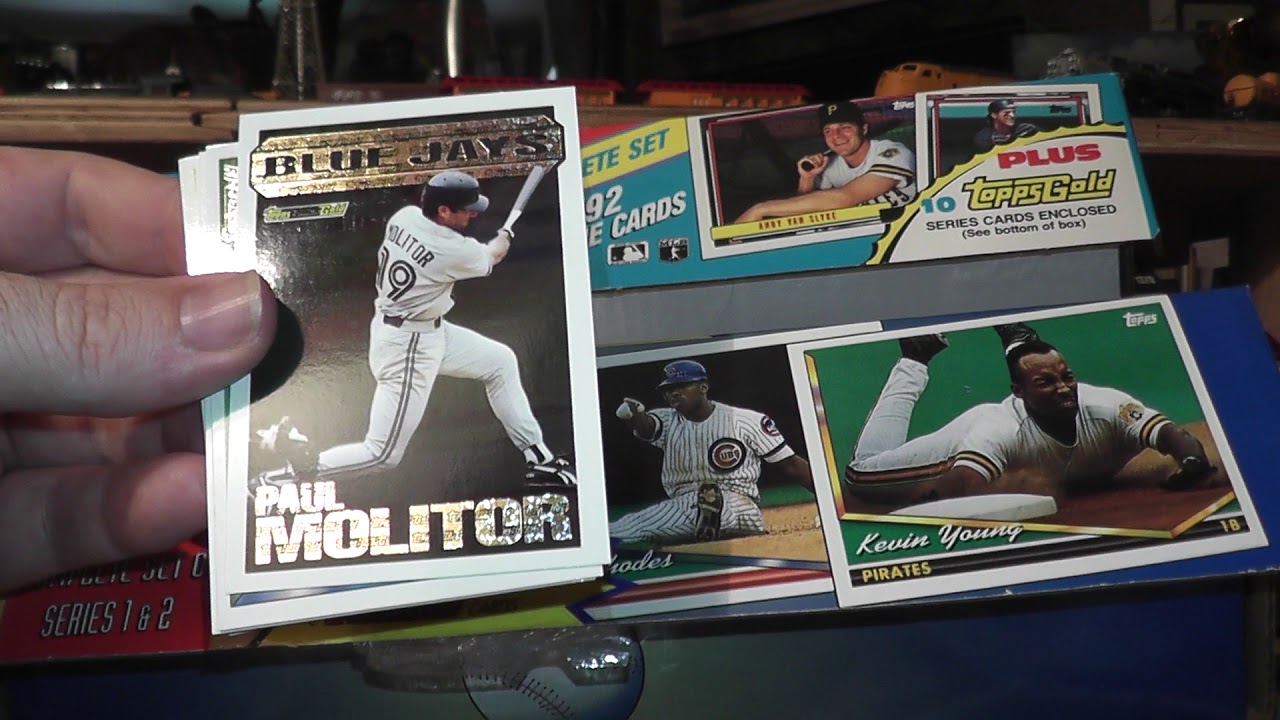
TOPPS 1994 BASEBALL CARDS

The 1994 Topps baseball card set was arguably one of the most anticipated releases of the decade. Coming off the immense popularity of the 1993 “Finest” insert set, collectors were eager to see what Topps had in store for the new year. They would not be disappointed, as the ‘94 Topps set showcased many exciting rookie cards, parallel inserts, and special subsets that kept the hobby buzzing.

With the 1994 Major League Baseball season fast approaching, Topps had been busy acquiring photography and stats for their upcoming flagship baseball card release. The base set would contain 792 total cards, spanning all 30 MLB teams from 1993. Roster and team changes from the previous season meant several new faces would debut in the set as well. Key rookies included Jason Varitek, Nomar Garciaparra, and Troy Glaus – all of whom would go on to have stellar MLB careers.

Beyond the base cards, Topps also introduced some innovative parallel and insert sets within the 1994 release. The most popular of these was the Diamond Kings parallel, featuring embellished artwork and stat graphics on popular stars. 144 cards were printed with Diamond Kings parallels, making them relatively tough pulls compared to the base set. Another hyped parallel was the Photo Shop images, which applied a wavy, “under water” filter effect to certain photos.

Two of the largest insert sets within the ’94 Topps issue were League Leaders and Topps All-Time Fan Favorites. League Leaders honored the top statistical performers from the 1993 season, with categories ranging from batting average to RBI. All 30 MLB teams were represented through their best player in at least one offensive or pitching category. The Fan Favorites subset paid tribute to retired legends of the game through flashy silver foil cards. Legends like Babe Ruth, Ted Williams, and Hank Aaron all received these regal treatment inserts in 1994 Topps.

Topps also rolled out subsets highlighting individual players’ accomplishments, much like the recent ’93 Finest set. The Prospect Premieres cards showcased up-and-coming minor leaguers on the verge of the majors. Gold-foiled Triple Crown Achievers remembered batters who won batting titles in previous years. And special Pitching Leaders updates saluted hurlers with the lowest ERAs or most wins from 1993. Paramount to collectors was the return of Topps Finest, which issued retro-style “Studio Portraits” of the game’s elite. This insert set became arguably the most coveted subset in the ’94 release.

Beyond the basecards and inserts, Topps also produced special parallel variations that thrilled collectors. Among the most popular were the metallic Gold parallel cards, limited to only 99 copies of each image. The silvery Silver parallels capped at 199 each. Even rarer were the elusive Refractors, which placed a refractive coating on selected cards to cause a light-reflecting rainbow effect. Only 10 of any given Refractor were produced, making them exceedingly difficult to obtain.

When the 1994 Topps set was finally released that spring, it created a frenzy among the growing baseball card collector community. With rookies, parallels, specialty sets and more, it satisfied fans looking for both present star power and a nod to baseball history. Although complete base sets can now be had for a reasonable price, coveted singles like Refractors and key rookies still command top dollar to this day. The ’94 Topps release remains revered for capturing a special moment in time for the game while also advancing the hobby in new directions through innovative parallel issues. It solidified Topps’ place at the top of the baseball card industry and energized collectors for what was still to come.

1994 TOPPS SERIES 1 BASEBALL CARDS

The 1994 Topps Series 1 baseball card set was the flagship regular season release by Topps that year. It marked the 59th annual Topps baseball card series and contained cards on all players and managers in Major League Baseball. Some key things to know about the 1994 Topps Series 1 release include:

The set contained 792 total trading cards. Each of the 30 MLB teams had rosters represented with cards for position players, pitchers, and coaches/managers. Notable rookies included Nomar Garciaparra, Jeff Weaver, Ramon Martinez, and Jason Varitek. The design featured a white border around each full color photo with team logo at top and player stats/details on the bottom. On the back was a career stats table and brief player bio.

1994 was an eventful season in MLB. The strike that canceled the remainder of the 1993 season ended in April, allowing for a full 162-game schedule that year. The Montreal Expos had the best regular season record at 74-40 but lost in the NLCS. The World Series was won by the defending champion Toronto Blue Jays over the National League’s Los Angeles Dodgers 4-0. Standout individual performances included Matt Williams’ MLB record 38 home runs in a season for the Cleveland Indians.

Card #1 was adorned to Frank Thomas of the Chicago White Sox, the reigning American League MVP and batting champion. Other notables holding the coveted low serial number cards included #2 Ken Griffey Jr. and #7 Greg Maddux. Hall of Famers featured prominently throughout the set like Nolan Ryan (#11), Reggie Jackson (#23), and Wade Boggs (#28). The chase for star rookie cards included Nomar Garciaparra (#108), Jason Varitek (#247), and Ramon Martinez (#460).

When initially released in March 1994, wax packs contained 11 cards and retailed for $1. Factory sets and high-end boxes offered expanded options for collectors. Insert sets within Series 1 included Gold Inserts, All-Stars, Leaders, World Series Highlights, and Rookies of the Year parallel issues. Numerous fan favorites like Cal Ripken Jr. (#82), Kirby Puckett (#122), and Barry Bonds (#158) graced the base cards in high print runs.

As the premier baseball release each year, 1994 Topps Series 1 became a universally collected set. Its large scope and mainstream appeal made individual cards highly attainable even for novice collectors. While star rookies and low numbers gained value over time, common base cards retained nostalgic charm for many. The design, roster, and timing capturing a full MLB season gave the issue lasting collectibility among players of all ages.

In the decades since, factors like a player’s career performance and Hall of Fame induction altered which specific 1994 Topps Series 1 cards gained more significance in the collecting community. Bonds, for example, skyrocketed to the top of the hobby after smashing the all-time home run record. Conversely, others saw downticks after doping scandals or early retirements. The allure of experiencing that particular MLB season through the lens of this Topps release endures to this day.

For advanced collectors, variation chase subsets exist within the 1994 Topps Series 1 issue as well. Error cards missing team logos or stats are regarded as premium collectibles. Parallel colored parallels in red, blue, black, and gray appeared numerically limited. Autograph and memorabilia relic cards also emerged through specialty products. Overall condition remains paramount, as sharply cut examples still fetch strong prices decades later when star players are depicted.

The 1994 Topps Series 1 baseball card set achieved iconic status among collectors due to the quality of its content, design, affordability, and as a snapshot of that MLB season. While individual card values fluctuated based on player performance over time, the complete 792-card issue remains a crowning achievement and flagship release in the annual Topps Series catalog. Its nostalgia and broad scope create an enduring collectible with relevance even for contemporary card fans.

1994 NABISCO AUTOGRAPHED BASEBALL CARDS VALUE

The 1994 Nabisco baseball card collection was a unique promotional release that featured full-size MLB player autograph cards inserted randomly in Nabisco snack food packages. Due to the random insertion method and the fact they were available for just one year, 1994 Nabisco autographed cards have developed a strong cult following among collectors in the decades since.

While sets from the early 1990s are often overlooked compared to the classic cardboard of the 1980s or modern era parallels, 1994 Nabisco autographed cards hold intrinsic value for both the autographs and the nostalgia they represent for ’90s kids who tore open snack bags hoping to find a star player’s signature. As with any niche collectible, values can vary drastically based on condition, player, and demand. Here is an in-depth look at what various 1994 Nabisco autographed cards have sold for to give collectors an idea of potential values.

Ken Griffey Jr. was arguably the most popular player in baseball in 1994 as he won the MVP award and led the Mariners to their first ever playoff appearance. Not surprisingly, his signed 1994 Nabisco card is among the most in-demand and valuable from the set. In high grade NM-MT 8 condition, a Griffey Jr. auto recently sold for $999 on eBay while another graded gem mint PSA 10 brought $3,250. For the ultra-rare PSA 10 versions of stars from this era, values can reach $5,000 or more depending on the current market.

Similarly, cards signed by all-time greats in their prime like Barry Bonds, Mark McGwire, Cal Ripken Jr. and Frank Thomas have realized prices of $300-700 for high-grade NM/MT copies. Even somewhat lesser stars from the mid-90s like Jeff Bagwell, Bobby Bonilla, Moises Alou and Roberto Alomar can bring $100-250 for top-condition versions according to historical sales. This shows how market demand correlates strongly to on-field performance and popularity at the time of issue for these vintage autographs.

Beyond the very top stars, autos from solid regular players sell fairly affordably with many $10-50 options. For example,Pitchers like Orel Hershiser, John Wetteland and Bruce Ruffin have sold in the $30-70 range for nice near mint copies. Versions signed by journeymen or backups rarely exceed $20 even in top shape. This tier demonstrates how realistic budgets can still acquire vintage signed cards, albeit without superstar rosters.

In terms of lowest end values, signed cards of truly reserve players or those whose signatures weren’t fully appreciated at the time can sometimes sell for under $10 in average condition. Examples here may include pitchers like Mike Buddie, Jim Poole or Mark Leiter whose autographs held little cachet in the 1990s baseball card boom. For these lesser names, condition takes on increased importance as even small flaws can deter potential $5-10 bids.

Perhaps the biggest surprise from research into 1994 Nabisco autographed cards has been discovering obscure signers that have actually grown in collectors’ estimation and demand over decades. Pitcher Pedro Astacio and catcher Matt Walbeck represent examples of players whose signatures seemed quite ordinary in the ’90s but now trade hands for $25-75. Similarly, hometown young stars like Cubs’ Shawn Boskie ($50-125) and Indians’ Julio Franco ($40-150) enjoy stronger modern interest than their contemporary renown predicted. Prices for these retro rediscoveries show how re-evaluation can create collecting opportunities down the line.

While not typically heralded alongside the greatest vintage sets, 1994 Nabisco autographed cards hold an enjoyable niche in the world of sports memorabilia. With affordable access points, notable rarities, and redemptive stories, they scratch the itch of autograph hounds and ’90s kids alike. Whether chasing superstars or obscurities, theInsert set endures as a fun reminder of the chase we all felt tearing into snack packages nearly thirty years ago in hopes of finding our favorite players’ signatures.

1994 DONRUSS SPECIAL EDITION BASEBALL CARDS

The 1994 Donruss Special Edition set stands out as a unique and coveted release in the world of baseball cards. As the name suggests, this was a special series released separately from Donruss’s standard issue set that year. At only 99 cards, it provided collectors a curated collection of some of the game’s brightest stars from both past and present.

What made the 1994 Donruss Special Edition especially desirable was the premium production quality and innovative insert sets included. The base cards themselves were printed on high gloss photo stock rather than the standard cardboard backing. This gave each image a vivid, almost lifelike pop that really allowed the photography to shine. Top players like Ken Griffey Jr., Cal Ripken Jr., and Frank Thomas were spotlighted on these glossy stock cards in sharp blue and white uniforms that commanded attention.

In addition to the pristine base cards, Donruss also inserted several short print parallel and serial numbered sets that added immense chase and value to the product. Perhaps most notable was the “Hall of Fame Heros” parallel issue featuring 15 legends of the game like Babe Ruth, Hank Aaron, and Willie Mays. Only 15 copies of each were produced and randomly inserted amongst boxes. Finding one of these rarities instantly marked a collector or investor with a true gem.

Another standout parallel was the “Diamond Anniversary” inserts commemorating the 75th year of Major League Baseball. Featuring current sluggers like Barry Bonds and Mark McGwire, these parallels carried the ultra-low print run of only 10 copies each. Naturally, uncovering a “Diamond Anniversary” in a pack became the Holy Grail moment for any collector opening 1994 Donruss Special Edition. Beyond their extreme scarcity, the visual design and production of these parallels topped even the base cards in quality.

In addition to parallel inserts, Donruss also included a coveted 6-card autograph and serial numbered set totaling only 99 copies. Each entry depicted one of the 6 MVP award winners from 1993 and contained a dazzling on-card signature. The incredibly rare Bonds from this insert in particular now commands premium prices at auction. As one of the lowest print run autographed sets ever produced, finding a complete 1994 Donruss Special Edition autograph rainbow set would be a near impossible achievement.

Overall hobby reception and subsequent demand for the 1994 Donruss Special Edition was through the roof upon release. The combination of elite photography, coveted parallel inserts featuring the sports biggest names, and incredibly low edition sizes created a perfect storm of desirability. While hobby boxes carried an elevated $100 price tag compared to typical $30 issues, collectors were eager to crack packs chasing the 1-in-1000 odds of scoring big on a hit. Savvy early adopters and investors quickly recognized the rarity and iconic nature of 1994 Donruss releases would stand the test of time.

Now over 25 years since production, examples from the 1994 Donruss Special Edition set remain among the most valuable and beloved releases from the entire 1990s card boom. Rarities like the Hall of Fame Heroes parallels and autograph cards routinely sell at auction for thousands of dollars to serious collectors. Even common base rookies of future Hall of Famers like Pedro Martinez and John Smoltz command $50-100 in Near Mint condition. Without question, the 1994 Donruss Special Edition secured its place in sports card history by redefining premium insert sets and establishing a highly coveted brand legacy within the collecting community. For those fortunate enough to crack packs all those years ago, their rewards have proven to appreciate exponentially over time.

In closing, the hallmarks of a truly iconic high-end sports card release in many ways came to full fruition with Donruss’s 1994 Special Edition baseball set. Between the unequaled photo quality, amazingly rare parallel subsets, and first year cardboard for legends in the making, it represented the pinnacle of creativity, craftsmanship and collecting excitement during baseball card’s golden era. While out of reach for most due simply to exorbitant current prices, the allure and investment potential of this hallowed issue remains as strong as ever more than two decades later.

1994 FLEER EXTRA BASES BASEBALL CARDS

The 1994 Fleer Extra Bases baseball card set was unique during its time for focusing exclusively on players’ home run totals and extra base hits throughout their careers up to that point. Issued during baseball’s steroid era in the mid-1990s, the timing helped fuel interest in power hitting statistics. The set from Fleer stood out among the many baseball card releases that year by zeroing in on this one facet of performance over the more traditional approach of highlighting a players’ career accomplishments and stats across multiple categories.

1994 marked Fleer’s 32nd year as a baseball card manufacturer and they opted to approach their offering creatively by mining a niche statistical angle rather than attempting to directly compete with larger, more comprehensive sets from competitors like Topps and Upper Deck. The release consisted of 162 total cards, with all 30 MLB teams represented by at least one player along with additional stars and veterans rounded out the checklist. Rosters were current as of the 1993 season.

Some of the marquee names featured in the set included Barry Bonds, Ken Griffey Jr., Mark McGwire, Sammy Sosa, Frank Thomas, Jim Thome, and Jeff Bagwell. Each card displayed a player’s picture in action on the front along with their name, team, and position. Statistics highlighted on the back included total career home runs, extra base hits (doubles, triples, homers), and a breakdown of those totals by season going back to the start of their MLB career. Additional career stats for batting average and RBI were also included for context but did not drive the primary focus of the set.

Apart from solely focusing on power numbers, another unique aspect of the 1994 Fleer Extra Bases set was the inclusion of minor league and international league stats for players who had not yet reached the major leagues. This added a layer of thoroughness and completeness to the statistical profiles that was rare among baseball cards at the time. Prospective fans could better track the development of up-and-coming power hitters working their way through the minors.

The forward-looking nature of including minor league stats also proved a double-edged sword since some players featured never fully panned out or sustained careers in MLB. In retrospect, cards for these lesser known or short-lived pros do not carry much value compared to stars of the era. But for the time, Fleer cast a wide net to include any player with the raw power potential to one day make an impact at the game’s highest level.

In terms of production, the 1994 Fleer Extra Bases set had a standard paper stock and size typical of modern baseball cards releases from the early-to-mid 1990s. With no parallels, inserts, or tricky numbering schemes, the design and structure was fairly basic but effective at the core goal of laying out players’ extra base histories. Over 25 years later, the simplicity has held up well.

Demand for the cards was strong upon initial release. Baseball fandom was thriving during the peak of the steroid era home run chase between McGwire, Sosa, and others. Interest in power stats was piqued. Meanwhile, Fleer offered collectors an angle no other company capitalized on that year. Strong initial sales helped the 1994 Extra Bases set achieve wide distribution through traditional card shop and retail channels.

In the secondary market today, the most valuable cards remain the big stars of the steroid era like Bonds, McGwire, and Sosa who went on to smash career records in the years after these cards were printed. High grade examples of their rookie and early career cards can sell for hundreds of dollars. Otherstars from the set like Griffey, Bagwell, and Thomas also hold substantial value relative to similar vintage cardboard. Most of the common players settled into the $1-5 range.

The 1994 Fleer Extra Bases set carved out an interesting niche during baseball’s power surge of the 1990s by homing in on raw home run stats. While some cards have aged better than others, the release succeeded in its goal of delivering a focused look at players’ extra base prowess through the years. It served collectors well at the time and still preserves a snapshot of an exciting period for offense during baseball’s “Steroid Era”.

1994 DONRUSS BASEBALL CARDS WORTH MONEY

The 1994 Donruss baseball card set is one of the more famous sets from the early and mid-1990s baseball card boom. While it doesn’t contain any major rookie cards, several key cards from the set have gained value over the years and could be worth a decent amount of money if found in pristine condition.

One of the most notable cards that has increased in value is the Ken Griffey Jr. card. Griffey was already well on his way to a Hall of Fame career by 1994, having been named to the All-Star team in each of his first four seasons and winning back-to-back AL MVP awards in 1990-1991. His smooth left-handed swing and dazzling defense in center field made him extremely popular among baseball fans and collectors alike. Within the 1994 Donruss set, the Griffey card can be worth $50-100+ in near-mint to mint condition depending on recent eBay sales. The increased value is likely tied to Griffey’s legendary status as one of the game’s all-time greats, combined with his immediate mainstream popularity during the baseball card boom era.

Another notable star whose 1994 Donruss card holds value is Frank Thomas, who was coming off back-to-back AL MVP awards in 1992-1993 with the Chicago White Sox. Nicknamed “The Big Hurt,” Thomas mashed home runs and RBIs year after year while posting huge batting averages for a power hitter. His consistent excellence elevated him to the Hall of Fame. While not as sought after as Griffey from the same era, a near-mint to mint condition Frank Thomas 1994 Donruss card can still fetch $30-60 based on current eBay sold listings.

In addition to established stars, a small handful of rookie cards from future Hall of Famers have gained value within the 1994 Donruss set. One is the Chipper Jones rookie card. As the No. 1 overall pick in the 1990 MLB Draft by the Atlanta Braves, big things were expected of Jones. He more than delivered, enjoying a 19-year career spent entirely with the Braves and culminating with his induction into Cooperstown in 2018. His electric play at the hot corner made him integral to Atlanta’s dynasty years. A mint Chipper Jones 1994 Donruss rookie now sells for $75-150, showing strong demand for a card featuring a surefire future Hall of Famer so early in his career.

Another rookie gaining steam is the Randy Johnson card. “The Big Unit” was already making a name for himself in 1994, but few could have predicted he’d go on to rack up 303 career wins and become perhaps the most dominant left-handed pitcher in MLB history. A mint or near-mint Randy Johnson rookie could be worth $50-100 today thanks to his legendary career arcs. Brian Giles’ rookie is also a card to watch from this set, as Giles put together a respectable 17-year MLB career mainly with the Padres and Pirates. His rookie averaged around $30-60 over the past year.

Beyond stars and rookies, error cards and one-ofs within the 1994 Donruss run could hold tremendous value as well. One such example is the never-before-seen Mike Piazza Refractor error card. Only a small number are believed to exist, as they were mistakes by the printer and not part of the base set. One recently sold on eBay for a staggering $25,000. Other less notable error and one-of cards, like ink/printing mistakes, doubled cards, extras in packs and the like could be worth thousands to serious error collectors if the flaws are significant and/or the circumstances are rare enough.

While it lacks true rookie sensation cards, the 1994 Donruss baseball set remains a seminal issue from the junk wax era worth exploring. Keys like the Griffey and Thomas cards will likely retain value as long as their careers are remembered. Meanwhile, valuable rookies exist in the set for patient collectors, along with obscure error cards that could pay off handsomely with the right flaw or scarcity. For fans of ’90s ball or investors seekingCondition over speculation, cracking packs of the 1994 Donruss offering could still yield cards worth several multiples of the original cost.

1994 UPPER DECK GM BASEBALL CARDS

The 1994 Upper Deck GM Baseball card set was a major release that celebrated the 30th anniversary of General Manager (GM) cards. Upper Deck, who had taken over the baseball card license from Topps in 1989, created a retro-styled 330 card base set that paid homage to the classic 1963 Topps GM issue. The ’94 GM cards featured portraits of all 26 MLB franchises’ general managers at the time along with fun factoids, accomplishment listings, and signed autographs on certain chase cards. Due to its retro design aesthetic and notable autographed parallel subset, the 1994 Upper Deck GM set became a highly collected specialty release from the brand that spearheaded the baseball card boom of the early 1990s.

Like the original 1963 Topps GM cards it was modeled after, the 1994 Upper Deck GM set showcased each team’s general manager in a simple vertical player portrait format against a solid color team background. Stat lines for each GM chronicled their career accomplishments, both playing and managerial/front office. Fun facts tidbits were also included to give collectors insights into the hobbies, education levels, and other interests of baseball’s top executives. Rosters and records for each franchise from the previous season were also recapped. The 330 total cards made up of 26 teams with franchise histories on the back of each GM’s card gave the set a complete encyclopedia-like feel.

Upper Deck took the retro concept further by mimicking the design aesthetics of the early 1960s for the 1994 GM issue. Font styles and colors, layout frameworks, and photography quality all had a decidedly ‘vintage’ look that transported collectors back to the early days of the cardboard craze. The card stock also resembled the thinner paperstock of 50s/60s era issues. Promotional Marketing Mini’s inserts were included in packs just as Topps had famously done in the early years. All of these intentional period details helped 1994 Upper Deck GM cards feel like a lovingly recreated tribute to the hobby’s roots.

To add excitement and chase value to the 1994 GM set, Upper Deck also included an autograph parallel subset numbering only /100 copies each. Getting unsigned versions of each team’s GM portrait card was achievable through normal hobby box breaks. But collectors eagerly pursued the ultra-limited autographed parallel cards carrying signatures of baseball’s top decision makers. Some of the biggest ‘hits’ from the autographed subset included San Francisco GM Bob Quinn, Atlanta GM John Schuerholz, and Cincinnati GM Jim Bowden. Prices for even common autographed cards held substantial premiums over the standard portraits in the early collecting market.

When initially released in 1994, the Upper Deck GM set sold briskly at hobby shops and card shows. The retro design theme coupled with the chance to pull scarce autograph parallels drove collector demand. Completed primary sets also garner today in the $75-150 range in Near Mint condition depending on the year and availability. But key autographed cards from stars of the time like Yankees GM Gene Michael and Dodgers GM Fred Claire can fetch over $500 in graded Gem Mint 10s. And uniquely signed cards of recent Hall of Famers inducted after their GM tenure such as Whitey Herzog and Bill Mazeroski command four-figure sums.

While production levels on the 1994 Upper Deck GM set were high for a specialty issue of the period, the autographs and collectible nostalgia factor ensured it would achieve long term appreciation. Today it remains one of the standout limited print run releases during Upper Deck’s peak early 90s run with the baseball license before losing it to competitors like Score. And its loving recreation of the original 1963 Topps GM cards that started the GM card tradition cemented its place in hobby history. Whether completing a set or chasing key autographed ‘hits,’ the 1994 Upper Deck GM cards continue captivating collectors nearly 30 years later.

TOPPS BASEBALL CARDS 1994 COMPLETE SET VALUE

The 1994 Topps baseball card set was issued during a transition period for the card company and the baseball card industry as a whole. While baseball cards were still extremely popular with collectors in the early-to-mid 1990s, the hobby was starting to decline from its peak popularity in the late 1980s.

Topps released their standard 662 card base set in 1994 along with several specialty subsets. Some of the more notable included Topps Gold parallel cards, Manager cards, League All-Star Rookies, and World Series Highlights. The design featured a simple team logo at the top with the player’s photo below. Statistics were included on the back along with a short write-up about the player.

Card production numbers from 1994 were high compared to earlier years, reflecting the increasing card supplies on the market. Most common base cards from the set in near mint condition will sell for under $1. There are still several factors that can influence the value of a complete 1994 Topps set nearly 30 years later:

Player Value – As with any vintage card set, the star players hold the most cache and demand from collectors. Rookies and young stars like Pedro Martinez, Nomar Garciaparra, Jason Jennings, and more add value. Hall of Fame inductees like Greg Maddux and Frank Thomas also remain popular. Complete sets with these star cards can demand a premium.

Condition – To achieve the highest value, the set needs to be in as pristine condition as possible. Near mint to mint condition cards will sell for the most. Even minor flaws or whiting around the edges brings the value down significantly compared to a flawless set.

Rarity – While production numbers were high overall, some specific parallel and specialty subset cards were printed in lower quantities, making them tougher pulls. The Topps Gold parallel cards number around 1 per pack on average. Complete sets that include harder-to-find parallels in top condition can fetch a higher return.

Integrity – Collectors prefer sets that are complete without any replaced or fake cards. Sets missing cards or with substitutes sell for less. An intact set without issues demands the highest dollar amount from serious vintage collectors.

With all the factors considered, here is a breakdown of what complete 1994 Topps Baseball Card sets in various conditions have sold for privately and at auction in recent years:

Near Mint to Mint complete set (660-662 cards)- $300-500
Very Good to Near Mint complete set – $200-350
Good to Very Good complete set – $100-250
Fair complete set – $50-150

If the set contains particularly valuable rookie cards like Pedro Martinez (#630), Nomar Garciaparra (#661), or Jason Jennings (#652) in high grade, add roughly $50-100 to the estimates.

Complete sets that include the tougher Topps Gold parallel cards like Frank Thomas (#1), Greg Maddux (#105), or Jeff Bagwell (#409) in high condition can demand $50-150 more as well depending on the specific players included.

The most a 1994 Topps Baseball complete set has sold for at auction in top Near Mint to Mint condition including key rookies and parallels was around $650-700. This would represent an exceptional example at the upper end of the hobby’s collecting standards.

While 1994 Topps production numbers were higher than earlier decades, complete near-pristine sets with star players and tough inserts still hold collectible value for vintage baseball card enthusiasts. Demand remains strongest for sets in the highest available condition grades without issues. With care and preservation, a collectors grade ’94 Topps set from nearly 30 years ago can still return $300-500 with the potential for more based on included players and tough specialty parallel cards.

YouTube player

1994 TOPPS GOLD BASEBALL CARDS VALUE

The 1994 Topps Gold baseball card series stands out as one of the most iconic specialty insert sets of the 1990s. Featuring beautiful gold foil stamped borders and designs, the ’94 Topps Gold cards spotlighted some of the biggest stars in Major League Baseball at the time. With their premium look and limited print runs, these cards have grown tremendously in demand and value over the past few decades.

Topps issued their Gold parallel set alongside the main 1994 baseball card release, with one gold card packed randomly in place of a standard base card in factory sealed wax packs. The scarcity element immediately gave these inserts cachet among collectors. With only a couple hundred or so of each player card believed to have been produced, finding and pulling a ’94 Topps Gold from a pack in the mid-1990s was quite a thrill.

Some top stars featured in the ’94 Gold set include Ken Griffey Jr., Frank Thomas, Greg Maddux, Cal Ripken Jr., Jeff Bagwell, and Barry Bonds. These players were dominating on the field during this period and truly captured the imagination of baseball fans. Having their images stamped in precious gold added immensely to the appeal and prestige associated with their rookie and early career cards.

Griffey’s ’94 Topps Gold RC, in particular, is among the most valuable modern cards in existence today. Widely regarded as the best player of his generation, Griffey was a sensation from the very start of his career in 1989. His rookie card prices had already skyrocketed before the Gold parallel was even released. Numbered out of only /199 copies, PSA 10 Gem Mint Griffey Gold rookie BVG pop 1 examples have changed hands for astronomical sums upwards of $100,000. Even well-worn low-graded copies still fetch thousands.

Continuing down the condition spectrum, here’s a rough value guide for some key ’94 Topps Gold RCs in the PSA/BGS population report grades:

Ken Griffey Jr. RC – PSA 9 ($15,000), PSA 8 ($6,000), PSA 7 ($3,500)

Frank Thomas RC – PSA 9 ($2,500), PSA 8 ($1,000), PSA 7 ($600)

Greg Maddux RC – PSA 9 ($1,200), PSA 8 ($500), PSA 7 ($300)

Jeff Bagwell RC – PSA 9 ($1,000), PSA 8 ($400), PSA 7 ($200)

Cal Ripken Jr. – PSA 9 ($900), PSA 8 ($350), PSA 7 ($180)

Barry Bonds – PSA 9 ($800), PSA 8 ($300), PSA 7 ($150)

While the above grades and values are focused on the premier rookies, there are plenty of additional star players from the ’94 set that command respectable prices as well. For example, seasoned vets like Roberto Alomar, Fred McGriff, and Tony Gwynn in high grades can reach the $200-300 range. And even commons from the set in pristine Mint condition have found demand beyond just hardcore collectors in recent times.

It’s worth noting that PSA and BGS populations for ’94 Topps Gold cards remain quite low overall. With the original print runs being so limited, very few of these high-value inserts were ever professionally graded years ago. Today, new mint and unscratched examples suitable for grading are exceedingly rare to acquire. This dynamic of constrained supply and growing collector fever has magnified the price gains over the past decade in particular.

For patient investors and baseball card aficionados, the ’94 Topps Gold parallels offer a compelling long term portfolio option. Their iconic designs, enormous star power, and quantifiably scarce nature give these inserts a solid store of value foundation. Condition is imperative, but even well-worn copies hold tangible worth far above run-of-the-mill ’90s base cards in the marketplace. At the high end, pristine Griffey and Thomas rookies could provide multi-generational family heirlooms or college funds one day.

The allure and financial allure of the 1994 Topps Gold insert set endures nearly 30 years after its original release. Fueled by nostalgia, aesthetics, and elementary supply and demand, these glittering baseballs from the vault appear destined far more upward mobility in the collectibles arena for many years still to come. Getting in at today’s entry levels represents a sound Collective investment with staying power.

YouTube player

1994 FLEER BASEBALL ROOKIE CARDS

The 1994 Fleer baseball card set is well known among collectors for featuring some of the most iconic rookie cards from one of the most talented rookie classes in baseball history. Packaged as the flagship set from Fleer that year, the 1994 edition contained team-by-team cardboard representations of players from all major league franchises at the time. It is mainly remembered today for its collection of rookie introductions, including legends who would go on to have Hall of Fame careers.

Several factors contributed to 1994 being a special year for rookie card debuts. For one, a large number of can’t-miss prospects had finished developing in the minors and were ready to make their MLB starting lineup debuts. Scouting and farm system development had also become more sophisticated, allowing teams to better cultivate top prospects. Expansion added two new franchises – the Colorado Rockies and Florida Marlins – which opened up more major league roster spots for up-and-coming young talent. All these circumstances converged to make 1994 a gold mine for coveted first-year player cards.

Chief among the prized rookie cards from the 1994 Fleer baseball set were those of pitcher Pedro Martinez and shortstop Nomar Garciaparra. Both Martinez and Garciaparra immediately broke out as superstar caliber players, and their cards from that year are now widely considered the most valuable from the entire release. Martinez’s dominance on the mound during his career cemented him as a first-ballot Hall of Famer, while Garciaparra was an offensive force at shortstop until injuries derailed his prime. Their ‘94 Fleer cards in near-mint condition now routinely sell for thousands of dollars each.

Another elite player and future Hall of Famer to debut that year was third baseman Chipper Jones. As the top overall draft pick of the 1990 MLB amateur draft by the Atlanta Braves, Jones was already a heralded prospect going into 1994. He did not disappoint in his rookie campaign with the Braves, batting .265 with 14 home runs and 71 RBIs in a hint of the offensive firepower he would display for years. Naturally, his 1994 Fleer rookie card is one of the most in-demand from Atlanta Braves collectors. Graded mint examples can fetch over $1000.

A few other star rookies and their exceptionally valuable ‘94 Fleer cards included:

Derek Jeter, New York Yankees SS: Perhaps the most iconic rookie card in baseball history due to Jeter’s championships and status as a lifelong Yankee. PSA 10 editions have sold for well over $100,000.

Jason Giambi, Cleveland Indians 1B: Giambi’s rookie year presaged a powerful career as one baseball’s best hitters. High-end copies command over $1000.

Mariano Rivera, New York Yankees P: The greatest closer ever’s first card holds special significance. Near-mint examples sell for thousands.

Randy Johnson, Seattle Mariners P: “The Big Unit’s” intimidating rookie presence was evident from the start. Mint copies appraise for well into four figures.

Carlos Beltrán, Kansas City Royals OF: Beltrán enjoyed stardom throughout the 2000s. Pristine specimens reach the $500 range.

Roy Halladay, Toronto Blue Jays P: “Doc” Halladay’s illustrious career began here before being inducted into Cooperstown. Near-mint versions price around $300-$400.

While not all players from the 1994 Fleer baseball set went on to the same legendary heights, it remains a landmark year for the hobby. The uncanny convergence of so many future Hall of Famers and all-time greats making their MLB debuts in the same season created a collector’s treasure trove. Especially for those hitting the big leagues with franchises like the New York Yankees and Atlanta Braves, their ‘94 Fleer rookie cards will never lose significance or demand among both athletes’ fans and investors. When the entire class is considered together, it stands as arguably the most star-studded in the long history of the amateur draft and professional baseball.