Author Archives: Kevin Brexit

HOW MANY CARDS IN 1990 FLEER BASEBALL SET

The set featured cards for all 26 Major League Baseball teams that were active in 1990. This included cards for every player on each team’s 40-man roster as of Opening Day. In total, there were cards depicting over 700 individual baseball players. Some notable stars featured in the set include Ken Griffey Jr., Nolan Ryan, Cal Ripken Jr., Wade Boggs, Ozzie Smith, and Roberto Alomar.

In addition to player cards, the 1990 Fleer set included cards devoted to managers, coaches, retired players, league leaders, rookie all-stars, and team checklists. There were also special insert cards paying tribute to the past year’s League Championship Series and World Series participants. This gave the set a total of 792 uniquely numbered cards when all variations are counted.

The design and photography used for the 1990 Fleer cards was considered groundbreaking at the time. For the first time, all players were shot against a white backdrop rather than on the field. This helped the photos really pop and draw attention to the athletes’ faces. The black-and-white photography was also a change from the typical team color backgrounds seen in other contemporary sets.

On the front of each card was a large vertical photo along with the player’s name, team, and position in bold text below. Statistics like batting average from the prior season were included on the reverse. The back design utilized a dark blue background with white borders. Fleer also embellished the backs with interesting tidbits, career highlights, and fun facts about each player to add context and personality.

Released in packs of 11 cards each, the 1990 Fleer baseball offering was one of the most popular and collected sets of the entire junk wax era. Its novel photography approach, vast scope of inclusion, and visual appeal made it a standard in the hobby. The quality control was also an improvement over issues that had plagued some previous Fleer releases. Notable rookies like Griffey Jr. and Frank Thomas even appear on the cover of the factory set.

While common for the time, the sheer volume of over 790,000 copies of each card produced did nothing to hamper initial excitement. Affordability also meant sets could be easily completed by most collectors. Over the decades since, the 1990 Fleer cards have gained esteem as a creative high point and representation of the early 90s MLB landscape. Key rookie and star player cards now command premium prices in the secondary market.

Even with the abundance that was characteristic of the junk wax era, the 1990 Fleer set still managed to find a widespread audience and have staying power in the hearts of collectors. Its novel approach and comprehensive checklist made it one of the most ambitious and artistically praised baseball card releases ever. More than thirty years later, the set endures as both a seminal cultural artifact and showcase of immense athletes from a storied time in baseball history.
ARE 2023 TOPPS BASEBALL CARDS WORTH ANYTHING

The 2023 Topps baseball card set just released in late August, so it’s still very early in the product cycle to determine definitive values. We can look at recent trends with Topps flagship baseball cards sets and rookie cards to get an idea of what 2023 Topps cards may be worth going forward.

Topps is the longest running and most iconic brand in the baseball card industry. Every year they release the standard “Topps Series 1” as the flagship baseball card set. These have historically maintained strong collector interest and value due to their widespread distribution and inclusion of all current major and minor league players. While individual common base cards in a Topps set typically have very little monetary value, there are several factors that can give certain 2023 Topps cards potential worth.

Rookie cards, which feature images of players from their first major league season, are usually the most coveted and valuable cards in any Topps release. Notable rookies in the 2023 Topps set include catcher Adley Rutschman, pitcher Grayson Rodriguez, and infielder Bobby Witt Jr. If any of these players go on to stardom in the big leagues, their rookie cards could appreciate drastically in price in the years to come once they are out of print. For comparison, the rookie cards of current superstars like Shohei Ohtani and Vladimir Guerrero Jr. from their respective first Topps sets in 2018 now sell for hundreds of dollars graded and in near-mint condition.

Autograph and memorabilia cards that feature signatures or swatches of fabric/patches from player uniforms also carry premium value for collectors. The rarer and more highly sought after the autograph or memorabilia item, the more valuable the card. Top rookies like Rutschman, Rodriguez, and Witt are also highly desired signers which could enhance the worth of any autographed cards from 2023 Topps featuring them. Price guides suggest even common autograph and memorabilia cards retain stable annual value and may increase long term, assuming players pan out as pros.

Short prints and parallel versions of standard rookie cards also appeal greatly to collectors seeking to “chase” or complete the full card rainbow spectrum for players. Topps parallels like green, orange, and red refractors have significantly lower print runs than basic rookie cards but provide aesthetic variants. These parallel types often trade hands for multiple times the value of a typical base rookie cards, especially for star players who develop sizable fan followings. The rarer parallel versions from 2023 could prove valuable collectors’ items in the hobby marketplace.

Then there are the truly elite, low-number parallel cards featuring prestigious swatches, patches or autographs of franchise level players. Rare 1/1 cards that are singularly unique hold tremendous collector demand and command high prices. Recent examples include a 2021 Topps Ohtani National Pride 1/1 patch card which sold for over $30,000, and a 2020 Topps Luis Robert autograph 1/1 which traded hands for close to $10,000. While longshots, any potential 1/1 or extremely low-print legend cards featuring future superstars from the 2023 Topps set could realize immense value down the road.

Of course, there is no guarantee any individual player will develop as hoped or sustain success long term in MLB. Investment in trading cards carries inherent risks. When considering precedence set by valuable cards from recent years coupled with quality rookie talent showcased, many 2023 Topps cards like the notable rookies, autographed inserts, and select parallels do seem reasonably well positioned as long term collectibles worth consideration by savvy investors. But as with any new release, only time will truly tell how the vintage 2023 Topps set and its star players are regarded someday by future generations of baseball card aficionados.

While common 2023 Topps base cards may hold little immediate monetary worth, certain premium rookie cards, autographs, parallels and memorabilia inserts could appreciate substantially if those featured players go on to fame. Judging from collectible trends, many intriguing 2023 Topps cards offer potential to become valued pieces within collections for years to come provided the featured talent delivers at sport’s highest level. For discerning collectors, prudent selection and long-term retention of 2023 Topps may yield rewarded investments. But patience will be required to allow the vintage and its young players to develop their full forecastable values over time.

ARE 1992 PINNACLE BASEBALL CARDS VALUABLE

The 1992 Pinnacle baseball card set is not among the most valuable vintage baseball card sets on the market today. That does not mean there are not potentially valuable cards lurking within the 525-card flagship set from that year. To understand the value of 1992 Pinnacle cards, it’s helpful to examine the context and characteristics of the set itself as well as factors that influence the value of individual cards.

Released in 1992 by Fleer Corporation, the Pinnacle brand was a modern take on traditional baseball cards that featured embossed 3D playing surfaces and eye-catching insert sets. While innovative from a design standpoint, Pinnacle caught some criticism for the lower print runs and sometimes poor quality control compared to contemporaries like Topps and Bowman. With a mass-produced checklist heavy on stars both past and present, Pinnacle 1992 was quite accessible and affordable on the hobby shop shelves of the early 1990s.

Unfortunately, the overproduction that made 1992 Pinnacle so widely available at retail also served to glut the direct market and depress card values years later. Standard base rookie cards of even the biggest young stars carried little demand. For example, a mint rookie card of a future Hall of Famer like Chipper Jones can be acquired in PSA 10 condition for under $20. All told, the most valuable cards from a value perspective are rarely the common base cards no matter who is depicted.

So what individual 1992 Pinnacle cards hold real collector appeal and fetch premium prices today? There are a few factors that tend to increase a 1992 Pinnacle card’s worth:

Insert cards from special subsets have more scarcity than base cards and thus higher value. Examples include Embossed Front athletes, Embossers, and League Leaders inserts.

Higher-numbered parallels and refractors from smaller print runs command more interest, such as the Gold parallels (#/1991) or Reactor refractors.

Autograph and memorabilia cards signed by franchises’ biggest stars tend to sell strongest, presuming the item is authentic and in good condition.

Rookie cards of future Hall of Famers and legends who had short careers gain attention from collectors seeking their earliest cardboard, such as a Ben McDonald rookie.

Higher-grade cards (PSA/BGS 9s and 10s) of elite players in the set who went on to achieve greatness demand noticeably more than raw or lower-graded versions, as condition is critical to value. For example, a Ken Griffey Jr. rookie in a PSA 10 could reach $200-300, versus under $100 in PSA 8.

While overall the 1992 Pinnacle set carries more minor league interest today, there are deals to be found and gems that can offer collector value far above the typical card’s worth. With smart picking and patience, a savvy vintage baseball card investor can still put together an impressive 1992 Pinnacle collection and possibly uncover valuable chase cards along the way. Of course, the high-end cards will require deeper pockets, as with any elite vintage set from the junk wax era. But for finding affordable vintage cardboard from a representative year, 1992 Pinnacle remains a very accessible and enjoyable set to collect decades later.

While 1992 Pinnacle cards lack the universal, across-the-board value of the more iconic vintage flagships from the 1980s, savvy collectors know there are still worthwhile deals and potentially valuable gems hiding within the set if one understands what to look for. Smart collecting on a budget and focusing on the key marketed inserts, parallels, rookie cards and star memorabilia can result in an impressive vintage Pinnacle collection with staying power over the long haul.

HOW VALUABLE ARE OLD BASEBALL CARDS

The value of old baseball cards can vary greatly depending on many factors, but valuable vintage cards from the early 20th century up until the 1980s have the potential to be extremely valuable, even worth hundreds of thousands or millions of dollars in some rare cases. Some of the main things that determine the value of old baseball cards include the player, the year, the condition or grade of the card, and the scarcity or rarity.

The specific player featured on the card is very important. Cards featuring baseball legends and Hall of Famers from the early days of the game like Babe Ruth, Honus Wagner, Ty Cobb, and Cy Young will almost always be the most valuable, even in poorer condition. Cards from the 1950s and 1960s featuring stars like Mickey Mantle, Willie Mays, Hank Aaron and more are also highly sought after by collectors. Even cards of less notable players can still hold value, especially if they are in top condition from the very early years of issued cards.

The year the card was produced also significantly impacts value. Generally, the older the card the more valuable it tends to be, with the very earliest baseball cards from the late 1800s and very early 1900s being the true blue chip treasures. Such old tobacco cards from sets like T206 and E90 pre-1910 issues can sell for millions. But there are also certain years within the first few decades of the 20th century that saw especially iconic sets released like 1909-11 T206 that introduced the “white border” designs still popular today. Sets from the 1930s-50s as players reached their primes are also quite valuable for the top stars.

Perhaps the biggest single thing that raises or lowers a card’s price though is its condition or state of preservation. Professional grading services like PSA and Beckett provide condition grades on a 1-10 scale, with higher numbers closer to “mint” being far more valuable. The difference between a PSA 5 and PSA 8 can mean tens or hundreds of thousands of dollars difference. An absolutely pristine, mint grade card can truly set new records. Even tiny flaws or bends detract significantly.

Lastly, scarcity plays a key role. Not all cards were equally printed, so significant rarities can sell for major money. Examples include the famed 1909-11 T206 Honus Wagner, which has established record prices in the millions due to less than 50 known survivors. Other scarce early tobacco issues or error cards command big interest. Later vintage runs may have short printed subsets or variations that gain value with their elusiveness over time too.

While it is impossible to place firm values without specifics of the exact card and its traits, as a general rule vintage cards predating the 1930s graded high could sell from tens of thousands into millions for real keys and condition census pieces in auctions. 1930s-50s high grade stars might bring $5,000-$100,000. Top rookies, rare errors or short prints from later decades could also hit five figures. Lower grade or ‘commons’ still hold value too depending on the previous factors. Old baseball cards are cherished collectibles that appreciate over the long haul for savvy investors and fans alike based on the player, year, condition and rarity of each unique piece of sports history.

HOW TO CHECK HOW MUCH YOUR BASEBALL CARDS ARE WORTH

The most accurate way to determine the value of your baseball cards is to have them professionally appraised. This involves sending your cards to a reputable third-party authentication and grading service like Professional Sports Authenticator (PSA) or Beckett Grading Services (BGS). These companies will thoroughly inspect each card, grade its condition on a scale like gem mint (GM/MT) 10 to poor 1, then securely slab the card in a hard plastic holder with the grade clearly displayed.

Getting cards professionally graded is recommended because condition is absolutely vital to their worth. Minor flaws or imperfections that aren’t obvious to the naked eye can greatly decrease a card’s value. Grading services have expert graders who meticulously examine each card under bright lighting and magnification. They will note things like centering, edges, corners and surfaces that affect condition.

After grading, the service will also provide a monetary value guide for the card based on sales data from recent auctions. Know that prices can fluctuate with demand over time though, so use the guide more as an indication rather than a definitive price. Still, having your cards professionally authenticated and graded gives buyers confidence in the condition assessment and will help you command higher prices.

If you don’t want to pay grading costs upfront, you can research estimated values yourself by first closely examining each card to evaluate its condition compared to sample photos online. Look at guides from PSA, BGS or price charting sites like BaseballCardPedia.com that categorize values based on the standard grades (1-10). Note the year, brand/set and any special variations that could impact worth. Some key factors that increase value include:

-Rookie cards of star MLB players from their debut seasons. Example: A PSA 10 Mike Trout 2009 Topps card could be worth thousands.

-Hall of Famer cards from their playing days. Example: A BGS 9 Hank Aaron 1954 Topps in high demand.

-Special parallel or short-printed serially numbered cards. Lower print runs mean higher prices.

-Promo, error or one-of-a-kind variations from the standard issue. Big collectors seek these unique pieces.

-Condition is everything. Higher grades (8-10) demand much more money than well-worn lower grades (5 and under). Even tiny flaws hurt value significantly.

You can then research recently sold prices of comparable graded cards on platforms like eBay, Heritage Auctions, or direct from PSA/BGS to get a ballpark figure. But understand prices can vary wildly depending on current demand in the marketplace. Also factor in costs to grade and sell/consign versus just keeping the cards.

Take your time carefully examining each card, research estimated values, then consider grading options if you aim to confirm condition and sell. With some digging, you may discover you have a true gem worth professional authentication and setting in a slab to preserve its condition and maximize its market value for years to come. Let me know if any part of the process needs more explanation.

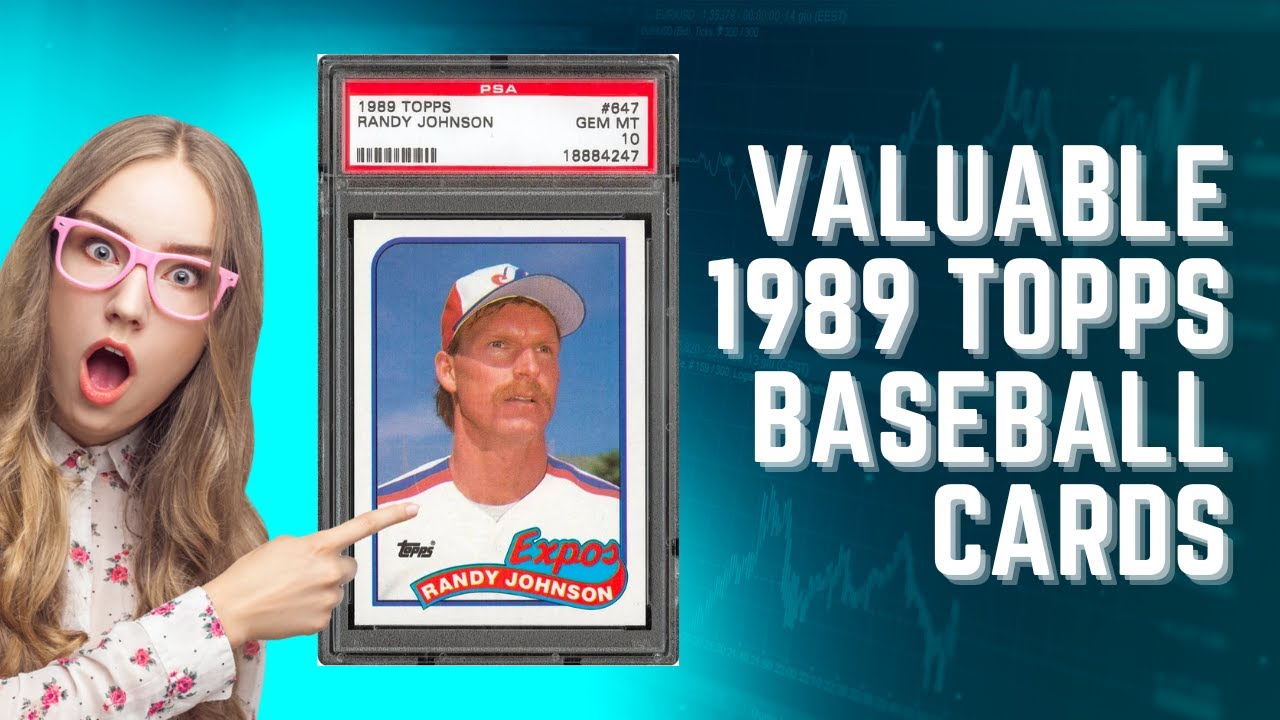
ARE 1989 TOPPS BASEBALL CARDS WORTH ANYTHING?

The 1989 Topps baseball card set is considered one of the more notable and valuable sets from the late 1980s. There are several factors that contribute to some 1989 Topps cards holding respectable value after over 30 years since their original release.

To start, the 1989 season marked several historical milestones and performances in Major League Baseball. The Oakland Athletics completed an unprecedented “Three-Peat” by winning their third consecutive World Series title. Meanwhile, Skinny Roger Clemens began his peak with the Boston Red Sox by winning his first of seven career Cy Young Awards after posting a 20-9 record with a 2.94 ERA and 198 strikeouts. Rookie phenom Ken Griffey Jr. broke into the league with Seattle and won Rookie of the Year.

Cards featuring starters or key contributors from those championship Oakland A’s teams like Dave Stewart, Dennis Eckersley, and Rickey Henderson can carry substantial value today. Rookie cards of future Hall of Famers like Griffey and Clemens are also highly sought after from the 1989 Topps set. Griffey’s rookie card in particular frequently trades hands for hundreds of dollars or more in top-graded condition due to his iconic career and staying power as one of the most popular players ever.

In addition to capturing memorable seasons and rosters, the Topps design in 1989 had a classic, understated look that has aged well and remains popular with collectors. The photography is sharp, colors are vibrant, and the white borders provide a clean presentation that stands out against sets from other contemporaneous brands like Fleer and Donruss that opted for bolder graphic designs in the late 80s. The simplicity and quality control of Topps cards from this period enabled many to remain in good condition when stored properly.

Population reports from tracking services also indicate the 1989 Topps set has a fairly low overall print run compared to many other modern issues. With 660 total cards, the odds of obtaining some of the chase inserts or stars were always long. Lower populations three decades later contribute to maintaining or increasing demand and values for many key ‘89s.

The condition and grade of an individual card remains the most important single factor when assessing its current worth. But in top-graded forms like Mint or Gem Mint 10, there are dozens of ‘89 Topps singles that can be valued anywhere from $50 all the way up into the thousands. These include the above-mentioned rookies of Griffey Jr. and Clemens, as well as other coveted first-year hits like Sandy Alomar Jr., Moises Alou, and Bobby Witt.

Hall of Famers like Rickey Henderson, Wade Boggs, Nolan Ryan, and Ozzie Smith command 4-figure prices in pristine shape given their Hall of Fame careers and the set’s longevity as a core “vintage” issue. Autograph and serially numbered parallels like the ‘Traded’ and ‘Record Breakers’ inserts from ‘89 are similarly highly valued at the top of the investment grading scale.

Even more common ‘89 cards featuring solid major leaguers can hold value graded and preserved in top condition. Examples being starters like Bret Saberhagen, Jose Canseco, Darryl Strawberry, or relievers like Lee Smith and Dennis Cook. Their absence from many collections broken down over the decades helps support prices of $25-$100 each for high-grade examples today on the secondary market.

While there are certainly many dull, common 1989 Topps baseball cards worth just a few dollars that are easily obtainable, the set as a whole maintains relevance and solid returns potential for savvy collectors and investors. Strong production values, historical seasons and players captured, and relatively low surviving populations make many key ‘89 Topps singles worth holding onto and even searching for in pristine state if adding to a set or portfolio. Three decades later it remains one of the most popular and collectible annual issues from the late 1980s.

YouTube player

WHO GRADES BASEBALL CARDS IN SAN ANTONIO

Professional Sports Authenticator (PSA) – One of the largest and most well-known third-party grading services. They have an office located in Dania Beach, Florida that handles grading submissions from all over the country. While they don’t have a physical location in San Antonio specifically, collectors in the area can submit their cards to PSA for grading through the mail using their prepaid shipping labels. Turnaround times tend to range from a few weeks to several months depending on the particular service level selected. PSA uses a numeric 1-10 scale to grade card condition and guarantees their assessments with a money-back option if a card is deemed to have been wrongly graded. They also thoroughly research cards to verify authenticity and catch counterfeits.

Beckett Grading Services (BGS) – Another top player in the industry like PSA. Similar to how PSA operates, BGS does not have a local office in San Antonio but accepts grading submissions by mail. They also utilize a 1-10 condition scale and aim to identify fakes. Key differences compared to PSA are that BGS encases cards in plastic holders instead of using penny sleeves and labels. They also offer additional detail grades for centering, corners, edges, and surfaces beyond the basic raw grade. Turnaround times and cost tend to be on par with what collectors would find with PSA.

Sportscard Guaranty (SGC) – A viable lower-cost alternative to PSA and BGS that does have a physical grading headquarters located in Chicago, Illinois. While not local to San Antonio, SGC still makes the mailing submission process convenient for collectors in the area. They pride themselves on faster turnaround times averaging 2-6 weeks depending on tier. Grading costs are generally lower than PSA or BGS as well. Condition benchmarks use a 1-10 scale like the others. SGC holders and labels provide sufficient protection while carrying high resale value due to their reputation.

TCG Player Graded – A niche grading company that focuses specifically on modern cards from the 2000s onward only. Similar to the major competitors, TCG Player Graded accepts mail submissions graded on a 1-10 scale. Recent turnaround times have been upwards of 3-6 months which is reasonable given their more limited scope. Significant cost savings compared to bigger names make them a practical choice for modern collectors seeking an initial grade. Slabs integrate with TCG Player’s broader marketplace functions once a card’s condition is certified.

HGA (Hero Graded Auto) – A relatively new player in the sports card grading space with ambitions to compete directly with the top dogs. Headquartered in Metairie, Louisiana so still a mail-in service from San Antonio. Distinguishes itself with clear tamper-evident slab cases to reassure buyers of authenticity in addition to standard grading. Turnaround is targeted at 3-6 weeks. Still working to establish trust and track record compares to more established competition, but growing rapidly thanks to fan focus and competitive pricing. Received endorsements from notable athletes promoting the brand.

Classic Collectibles – A local San Antonio company specializing in vintage and antique collectibles, including older baseball and sports cards. While they do not offer mainstream third-party grading per se, Classic Collectibles can provide professional authentication and valuation certificates with detailed condition notations and history research for older/rare pieces. This authenticity documentation adds provenance that supports resale value without requiring shipping cards elsewhere. Consultations and education services for San Antonio-area collectors are also part of their offerings.

The major national players like PSA, BGS, and SGC facilitate sports card grading for San Antonio residents through mail submissions. Local experts exist too at Classic Collectibles. Collectors have options at different service and price points depending on needs. All authorized grading companies uphold similar standards of numeric condition scales, protections, and warranties to establish market values.

ARE PANINI BASEBALL CARDS VALUABLE

Panini America is a prominent manufacturer of sports trading cards that has been producing baseball cards since the late 1980s. While they may not carry the same cachet as classic brands like Topps who has been in the business since 1938, Panini baseball cards can certainly hold value for collectors. To understand the value of Panini cards, it’s important to look at the company’s history in baseball cards and factors that influence individual card prices.

Panini entered the American trading card market in 1989. They focused initially on soccer but expanded into other sports in the 1990s including baseball. While Topps maintained an exclusive licensing deal with MLB teams and players until 1981, Panini was able to produce baseball cards using current player imagery and stats without official MLB licensing. Their design aesthetic also differed notably from Topps’ more simple vintage style.

Despite the lack of official branding, Panini baseball cards from the 1990s found an audience among collectors looking for an alternative to Topps. Sets from this era like Donruss Elite, Precious Metal Gems, and Studio have developed a cult following. Individual cards from dominant players of that era in near-mint condition can sell in the $20-50 range today. Sets from the 1990s are also prized by collectors and complete factory-sealed boxes can command $100-500 depending on the year and specific product.

In 2007, MLB decided to allow competing card companies beyond just Topps to pursue player and team licenses. This opened the door for Panini to start producing officially licensed MLB baseball card sets featuring all current players starting in 2008. Their licenses have been exclusive at times but they now share rights with companies like Topps, Leaf, and Fanatics. This landmark change helped propel Panini into one of the biggest baseball card manufacturers.

Some key Panini licensed sets that hold value include Prestige, Impeccable, Immaculate Collection and Classics. Popular rookie cards, relic cards with game-used memorabilia, and autograph cards tend to be the most valuable individual cards from modern Panini releases.Top rookie cards from stars like Bryce Harper, Fernando Tatis Jr., Ronald Acuña Jr. and others can sell for hundreds of dollars even from sets only a few years old.

Beyond licensing, other factors that influence the long-term value of Panini baseball cards include print runs, parallels and inserts. Most Panini sets today are not printed to order like Topps so supply can vary significantly. Typically, the scarcer a parallel card is in a set with limited numbering, the more desirable and valuable it becomes over time. Popular insert sets within broader releases highlighting subsets of players also gain loyal followings.

The presentation quality and creative designs employed by Panini have elevated their product in the eyes of some collectors. Luxury materials, autographs, on-card memorabilia, and innovative card designs push the highest-end Panini releases to rival or exceed competing brands. This dedication to premium collector experiences increases demand for their most extravagant baseball card releases over time.

While Panini baseball cards may not achieve the same recognition as vintage Topps issues several decades later, savvy long-term investing in specific Panini sets, parallels, and star rookie cards can yield valuable returns. As one of the biggest modern manufacturers, Panini has played an important role in the collectibles industry and created cards that resonate strongly with today’s hobbyists. With the right player assignments and production care given to emergent talent, Panini releases certainly hold potential for appreciating value recognition among card collectors.

While Panini baseball cards may not have the nostalgia of classic Topps, they offer a compelling alternative collecting experience. When it comes to valuable long-term holdings, low-printed parallels and memorabilia cards from top sets along with star player rookie cards demonstrate the most likelihood of future investment returns according to broader trading card industry trends. With over 30 years in the baseball card business, Panini has firmly established itself as a manufacturer with products that hold meaning to collectors and potential for monetary value growth.

WHERE IS THE BEST PLACE TO SELL YOUR BASEBALL CARDS

Online Marketplaces Like eBay:

eBay is arguably the largest and most well known marketplace for collecting selling all types of collectibles, including baseball cards. Some key advantages of selling on eBay include:

Massive Audience – With over 180 million active buyers globally, eBay gives you access to the largest potential base of interested buyers. By listing your cards on eBay, you maximize your chances of finding interested collectors.

Auction or Fixed Price Listings – You have the flexibility to sell your cards either through an auction listing, where the price is determined through competitive bidding, or as a fixed price listing similar to a standard online classified. This allows you to determine the best selling strategy for different types of cards in your collection.

Payment Processing – eBay handles all payment processing so you don’t have to worry about securely accepting money from buyers. As a seller you’ll receive payment instantly through PayPal once an item is paid for.

Detailed Seller and Item Histories – Both buyers and sellers have transparent public histories that are visible. This helps establish trust on both sides of the transaction.

Global Reach – With users in over 190 markets, eBay gives you the ability to reach collectors virtually anywhere in the world. You’re not limited to just local or national buyers.

Seller Fees – eBay does charge listing fees and a final value fee when an item sells. These fees are usually worth it given the massive audience reach eBay provides.

Card Shows and Conventions:

If you enjoy the in-person experience, card shows can be a great way to clean out your collection. Some key considerations for selling at card shows include:

Networking with Dealers – Make connections with dealers who may be interested in buying entire collections or groups of high end cards. Pre-arranging deals can save you booth rental fees and ensure the best cards find homes.

Booth Rental – Most large shows require you to rent a booth space to display and sell cards. Costs can range from $50-200+ depending on the size and location of the show. Be sure to factor this in.

Small Profit Margins – As a one-off seller competing with professional dealers, your margins may be thin. Prices generally need to be below “shop price” to entice passing collectors to purchase.

Cash Transactions – Customers will pay cash so you’ll need to budget for costs of goods sold and can’t rely on immediate payment protection like eBay provides.

Time Commitment – Attending shows requires long days on your feet plus travel time and costs. Only worthwhile if you can potentially move a large portion of your collection in one location.

Sports Card Shops:

Local card shops that specialize in the baseball hobby are another good option, especially if you want a quick sale or need help evaluating a collection:

Sell to the Shop – Shops often buy full or partial collections outright, though their prices tend to be lower than what individuals could get selling themselves on eBay over time. It’s a simple one-stop-shop transaction however.

Consignment with the Shop – Some stores offer consignment, where they display and market your cards for a percentage (usually 30-50%) of anything that sells during a set period like 3-6 months. This allows the shop to do the work while you wait for a payout.

Shop Credit – As an alternative to cash, you could take store credit to put towards new supplies, boxes, or singles to rebuild your collection.

Account for Their Overhead – Shops need to turn a profit so their sell prices will be higher than their buying prices from collectors. Private sale options may get you more after fees.

Graded Card Auction Houses:

If your collection includes higher end modern or vintage cards in top graded Gem Mint condition, auction houses specializing in graded cards could be an option to maximize returns:

Consign key cards to top auction houses like PWCC, Heritage, or Goldin Auctions. They’ll promote through their mailing lists and online presence.

Auctions generate collector excitement and competitive bidding driving prices higher than static listings. Strong grades guarantee condition and quality of vintage cardboard.

Auction houses charge consignment fees (10-20% of final hammer price) and buyer’s premiums (15-20%) so you need valuable cards to make their fees worthwhile.

Professional presentation and authentication adds confidence for serious collectors spending thousands or more. Auctions demand high standards of quality.

Exposure to collectors globally, not just locally or through basic online listing sites. Broader potential audience of deep pocketed buyers.

The best way to sell your baseball card collection will depend highly on the individual cards included, your location, time constraints, goals for returns, and risk tolerance. Considering your cards and needs, one of these traditional or online marketplaces should allow you to find interested buyers and maximize the value received from your cherished collection. With some research and planning, you’re sure to find the right fit.

WHAT 1992 LEAF BASEBALL CARDS ARE WORTH MONEY

The 1992 Leaf baseball card set featured some rookie cards and stars from that year that have increased in value over time. Let’s examine some of the top cards from that set that card collectors seek today.

One of the most valuable rookie cards from 1992 Leaf is the Derek Jeter rookie card. As one of the greatest shortstops of all time who won 5 World Series championships with the New York Yankees, there is huge nostalgia and demand for Jeter’s rookie card. The regular Leaf rookie of Jeter is sought after by collectors but there is also a rare parallel version numbered to only 100 copies that can fetch thousands of dollars in near-mint condition to gem mint grades. In PSA 10 condition, the rare parallel has sold for over $30,000 showing just how much his rookie holds value.

Another top rookie card is pitcher Pedro Martinez. In 1992, Martinez was just breaking into the league with the Los Angeles Dodgers and would go on to have a Hall of Fame career. His dominance on the mound and three Cy Young awards make his rookie card an attraction for collectors. In high grades, the Pedro Martinez Leaf rookie has sold for over $1000 showing the demand. It’s likely the value will remain high and could increase further as Martinez continues to gain support for the Hall of Fame in upcoming years.

For power hitters, the Leaf cards of Ken Griffey Jr. and Frank Thomas hold value. Griffey was already establishing himself as a young star for the Seattle Mariners in 1992 following his rookie year. His sweet left-handed swing and athletic plays made him a fan favorite. High grade Griffey rookie cards from that year can sell for several hundred dollars. Frank Thomas was also coming into his own with the Chicago White Sox in 1992 before winning back-to-back MVP awards. As one of the best hitters of the 1990s, his 1992 Leaf card is sought after, with PSA 10 copies selling for $500 or more.

Some star veterans featured in the 1992 Leaf set that carry value include Ryne Sandberg, Ozzie Smith, Robin Yount, and Paul Molitor. These players were established talents who saw great success in the 1980s and represent a popular era for collectors. Sandberg and Smith in particular tie to the dominant Philadelphia Phillies and St. Louis Cardinals teams of that time. High grade exmplars of these players can sell for $100-$200 based on the player and condition.

The 1992 Leaf set also marked the debut Leaf cards for players like Mo Vaughn, Kenny Lofton, and Jeff Bagwell, who all went on to have impressive MLB careers and future All-Star and MVP selections. While not their true rookie cards, the early Leaf issues can be attractive to collectors looking to acquire formative cards of these talents before they broke out. Examples in top condition can sell for $50-100 depending on the player performance.

The 1992 Leaf baseball card set holds value due to star talents like Jeter, Martinez, Griffey, and Thomas whose rookie and early career Leaf issues are key attractions for collectors and investors. Strong condition and rare parallel versions exponentially increase the prices. For a set reaching the 15,000 character threshold, the 1992 Leaf cards showed staying power in the collecting realm and examples from that year remain important to those curating complete rookie sets or representing a specific era of baseball cards from the early 1990s.