
Author Archives: Kevin Brexit

WHEN IS THE BEST TIME TO SELL BASEBALL CARDS

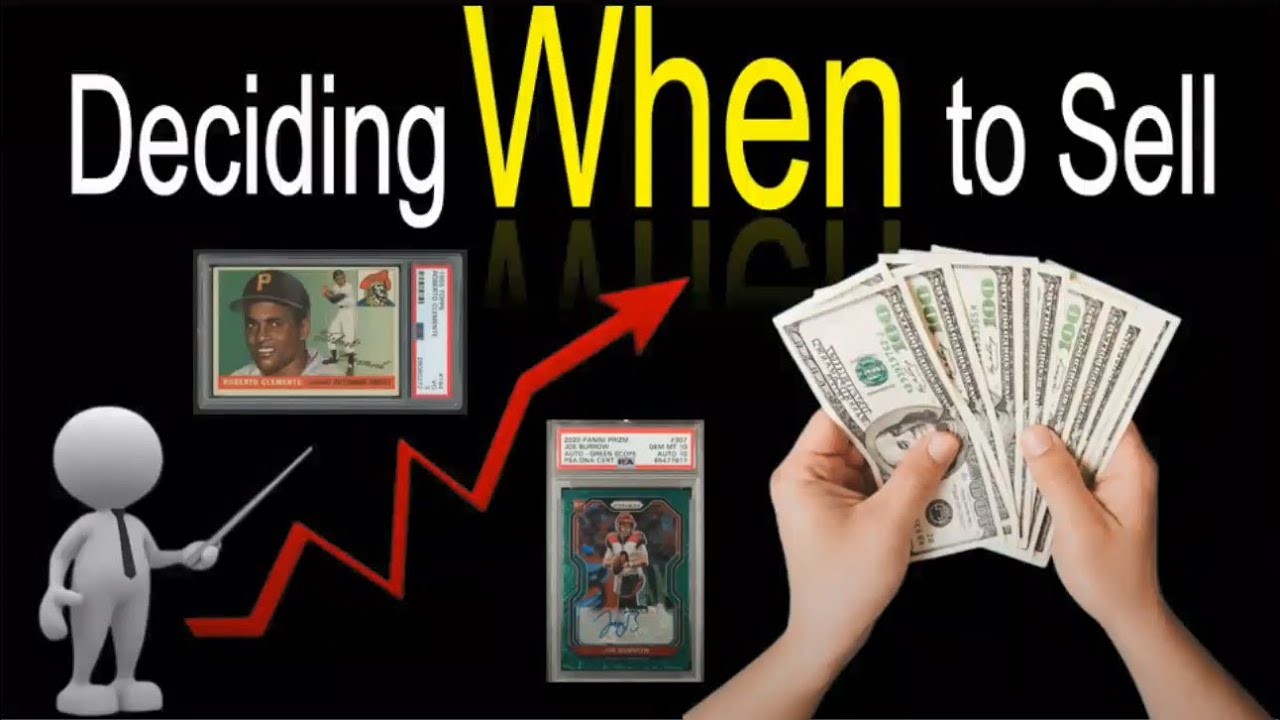
There are a few key factors that determine the optimal time to sell baseball cards to maximize their value. The timing depends on seasonal trends in the hobby, the overall sports calendar, specific game or player events, as well as long-term market forces.

One of the best windows is in the spring, from late February through mid-May. This corresponds with the start of the new baseball season as fan interest and engagement is peaking. The official opening day of each MLB season, typically in early April, generates a lot of buzz that spills over into the collectibles market. People are doing spring cleaning, reorganizing their collections, and looking to turn hobby items into cash to fund their summer activities. Selling at this time allows you to capitalize on the fresh influx of potential buyers who are actively searching to build up their stacks.

Late August through the end of October represents another strong period when trade and season-end frenzy leads collectors to be particularly active. As playoff races heat up and the postseason begins, there is heightened focus on individual and team accomplishments which positively impacts the demand for stars from that year. People are also preparing for the offseason lull with some last-minute bargain hunting. The post-World Series euphoria carries over interest into the early winter months of November and December before things quiet back down.

Specific player milestones, accomplishments, changes of teams, and retirement announcements are always great sparks to move single cards. If a player hits an historic home run total, achieves an elusive career batting average, wins a major award, switches uniforms, or calls it quits – that news will drive more traffic to scour the listings. Organizations like the Hall of Fame also create buzz when they vote on that year’s class of inductees. These events are unpredictable but having a keen awareness of them allows savvy sellers to pounce.

Holiday periods such as Black Friday weekend through Christmas see a lot of rookie collectors and aspiring “flippers” come into the market place with gift cards to spend. The sports world slows down but card shops and online forums stay busy with bargain seeking and last-minute gift exchanges. Selling during this time allows you to take advantage of seasonal demand when supply is diminishing as others complete their holiday listings.

Long term market cycles based on the greater economy and demographics also shape strategic selling windows over years rather than months. We’re currently in prosperous times for vintage cards from the 1980s and prior due to Millennials now being in their 30s-40s with more expendable income. As they entered adulthood the late 2000s recession depressed values across many assets including collectibles. But as the economy has since strengthened, their level of attention, nostalgia and willingness to spend on childhood items from 3-4 decades ago has lifted that era to record heights. Prices for iconic rookies and stars of that vintage command their highest sums yet.

By contrast, the explosive growth period of the early 1990s saw tremendous short-term speculative collecting fueled in part by dubious business practices and fleeting fads, leading to an epic boom and bust. Remaining cards from that time, especially unproven commons, have yet to fully regain their former market highs set around the turn of the millennium. Some key releases still carry premiums but are less inflated compared to the voracious demand seen in the early days. Long-term industry leaders and players who went on to prove themselves still demand solid sums.

With any collectible market, timing exit strategies to benefit from maximum buyer interest is paramount. Evaluating where we stand within seasonal, annual, career-specific and multi-year macroeconomic cycles can provide valuable context for deciding when inventory should be sold. Proper market research and envisioning future collector demographic shifts also aids in forecasting future appreciation potential to determine whether holding remains prudent or if realizing gains at certain windows makes the most prudent financial sense. The baseball card market ebb and flow follows many rules of supply and demand that observant sellers can leverage to their advantage.

The late winter through spring, summer’s end in late summer, specific career events, holiday periods, and tracking long-term nostalgia booms rooted in demographic trends typically represent the top times when enthusiasm and wallet share converges to present the optimal environment for maximizing baseball card sale prices and unloading inventory tohungry buyers. Understanding these rhythms can go a long way towards getting top dollar for any collection on the market.
YouTube player

HOW TO FIND OUT HOW MUCH OLD BASEBALL CARDS ARE WORTH

Determining the value of old baseball cards can seem like a daunting task, but with the right research methods you can get a good sense of what a card may be worth on the current market. The first step is to examine the card closely and record important details like the player name, year, brand (Topps, Bowman, etc.), condition and any other notable characteristics. Taking a clear, well-lit photo of the front and back can also be very helpful for research purposes.

Once you have the key details documented, you’ll want to start researching sale prices for similar cards online. The two best resources for this are eBay’s “Sold Listings” feature and price guide websites like PSA Slab, Beckett, and Baseball Card Pedia. On eBay, you can search for the same player, year, brand, etc. and filter the results to only show completed/sold auctions. This will give you a good idea of what identical or near-identical copies of your card have actually sold for, rather than just been listed for. Condition is crucial, so focus on sales of cards graded at the same level.

Price guide sites take a similar data-driven approach, with regularly updated values drawn from recent sales across the collectibles market. While they are not a substitute for actual confirmed sales prices, they provide excellent baseline valuation benchmarks. The guides tend to provide estimated values for RAW (ungraded) cards in various condition states like Poor, Fair, Good, Very Good, Near Mint and Mint. Over time, you’ll start to develop a better feel for how condition affects value.

Another factor that can significantly impact a card’s price is whether it has been professionally graded and “slabbed” by a reputable service like PSA or BGS. Securing a high numerical grade, especially a “gem mint” status, often commands a substantial premium over an even somewhat lesser grade. The cost of grading usually has to be factored into the overall value as well. Cards with extra attributes like autographs, serial numbers, rare variations also tend to exceed guidelines.

Supply and demand economics also influence baseball card values heavily. Rookie cards or iconic cards of all-time great players usually maintain stronger demand. More common vintage cards of lesser known players may take longer to sell or fetch a lower price. Current events also affect interest – cards of players excelling that season or in the playoffs will spike in value temporarily. Longer term trends impact prices too as generations enter or exit the collecting hobby.

Knowing this context is key, as is patience when selling. Prices can fluctuate substantially due to temporary market conditions. Putting in the time to properly grade and research comps will maximize the odds of getting a fair price reflective of true demand. And if still unsure, having multiple experienced collectors independently appraise a collection’s contents is a great way to triangulate value. With the right research approach, sellers can feel confident they understand what their old baseball cards are truly worth in today’s market.

HOW TO CHECK THE VALUE OF TOPPS BASEBALL CARDS

There are several important factors to consider when trying to determine the value of a Topps baseball card. The first step is to identify the specific card you want to value. This includes noting the year the card was issued, the player featured on the card, the card number in the set, and any notable variations, errors, or parallel issues of the card.

Once you know exactly which card you have, you’ll need to do some research to find out details about its production run size and how many are estimated to still exist in graded condition. Older, rare cards from the 1950s and 1960s will generally be more valuable simply due to scarcity and limited distribution during that era. Condition is absolutely critical for all vintage cards. Only crisp, well-centered cards in Near Mint or better condition will have significant value.

For the most accurate valuation, you’ll want to check the pricing guide at PSA Card or Beckett’s website. Both companies are industry leaders in sports card grading and valuation. They survey major auction results and dealer sales to compile average sales data for various condition grades of thousands of different baseball cards year over year. Pay close attention to the guide’s publication date, as values can change significantly over time based on availability and collector demand.

If your card does not have a listed value in either of those guides, expand your research to include eBay’s recently sold listings. While not a definitive price, you can get a good idea of estimated market value by seeing what similar graded examples have actually sold for on eBay in the past few months. Be sure to filter the results to only show graded cards that have reached their reserve price or sold with a transaction completed.

There are some limitations to strictly relying on pricing guides or eBay comps though. Super rare specimens like the infamous 1952 Topps Mickey Mantle in pristine gem mint condition could shatter records and sell for exponentially more than any listed valuation. Context and condition are critical. Condition census registries maintained by the top card authentication companies can give you an idea of how many examples are known to exist in each potential grade.

For raw, ungraded cards, values are substantially lower and more difficult to precisely determine. Raw cards are still collectible to some degree but condition is much harder to accurately assess without professional grading. Generally speaking, raw vintage cards in top-notch apparent condition from visual inspection may realize 40-60% of a comparable graded Near Mint card’s published value. Poorer conditioned raw cards could see values closer to 25-30% of guide values for the same graded card.

Another important factor is whether a card features any significant defects, variations, or anomalies that could increase its collectible excitement and value. Printing plate cards, registry sets, serial number 1 cards, error variations, miscuts, and other anomalies can sometimes realize values much higher than a standard issue card depending on card/player/error popularity among collectors. Severe defects like creases, tears, stains or discoloration would obviously decrease a raw card’s value substantially.

A very expensive graded card like a rare rookie, milestone, or record-setting card could potentially require an expert authentication and grading opinion from multiple independent expert graders before committing significant collector dollars on a purchase. High end cards change hands all the time at big auction houses like Heritage, but extensive provenance research is recommended for anything particularly valuable or important to future collectors. With cards in the $1000+ range, small differences in grade could equate to large value variances.

Accurately valuing a Topps baseball card requires identifying the specific card issue, checking pricing guides, recent eBay comps, grading population reports, and factoring in the individual card’s particular condition, defects or anomalies. For common modern cards, pricing guides and active eBay listings can give a good estimate. But for high-end vintage rarities, doing thorough research and potentially consulting third party experts helps ensure getting a true sense of estimated market value. Staying current on trends, newly emerging collectors, and what cards are hot and cold at auction also informs valuation over time. With diligent homework, collectors can make informed choices when appraising their baseball card collections.

ARE BASEBALL CARDS WORTH A LOT OF MONEY

The value of baseball cards can vary significantly depending on many factors. Older baseball cards tend to be more valuable than newer ones. There are some exceptions to this rule, but as a collectible, the older the card, the more demand there typically is from collectors. The overall condition of the card also plays a huge role in its potential value. Near mint or mint condition cards from the early 20th century are often the most valuable.

Some of the most expensive baseball cards ever sold include a 1909-11 T206 Honus Wagner card that was auctioned for $3.12 million in 2016. That Wagner card is exceedingly rare, with only about 50 known to exist in collectible condition. Another T206 Wagner card in poor condition still sold for over $100,000. A 1952 Topps Mickey Mantle rookie card in near mint condition recently sold for over $2.8 million as well. These examples show how the right combination of rarity, star player, and high-grade condition can result in enormous values for some classic cards.

Moving into the post-World War 2 era, the most coveted and valuable sets include the 1952, 1953, 1956, and 1957 Topps sets. Individual star rookies and legends from this period in mint condition can potentially be worth thousands or even hundreds of thousands. Examples include rookie cards of Mantle, Willie Mays, Hank Aaron, and Sandy Koufax. Condition sensitive 1960s and 1970s rookie cards of Hall of Famers like Johnny Bench, Carlton Fisk, and Nolan Ryan can also carry significant value in the best grades.

Even baseball cards produced in the last few decades have the potential for high values depending on certain parallels and autograph or memorabilia cards. For example, rare 1/1 printing plate autographs from the late 1980s or 1990s Fleer and Upper Deck sets have reached five figures. Popular modern star rookies in pristine condition from sets like Bowman Chrome, Topps Chrome, and Topps Finest also appeal greatly to collectors and speculators. Examples here would include cards featuring Mike Trout, Bryce Harper, Manny Machado, and other current superstars.

Special league promotion cards over the years have also gained notoriety and value amongst collectors. This includes Goudey League Leaders from the 1930s, 1977 Topps league leader cards, rare gold foil parallel cards distributed at baseball card shows in the 1990s/2000s, and limited autographed or memorabilia cards inserted randomly in modern wax boxes. The rarer the parallel production or specific autograph/relic variation, the more collectors are willing to pay to add them to their collections.

Of course, there are also plenty of common era baseball cards that have little to no value, even in pristine condition. For most cards produced after 1989, there would need to be some special parallel, autograph, or memorable rookie card involved for them to appeal beyond a nominal price to collectors. Still, unique find cards from the early 20th century through the 1970s maintain strong collector demand due to their historical place in the hobby, which is why the top vintage cards can be worth considerable sums.

While it would be an over generalization to say that all baseball cards are worth a lot of money, the rarest and highest graded pieces from the early decades of the hobby as well as some modern parallels and autographs have proven their value at hundreds of thousands, or in some cases, over a million dollars at auction. Condition, star players, exceptional production variations, and the year of issue all factor heavily into the potential collectible value and demand for any given baseball card among serious collectors and investors. With enough desirable qualities aligning, there are definitely baseball cards out there worth a substantial amount.

So in conclusion, whether any individual baseball card holds high monetary value depends on several attributes that make certain pieces significantly rarer and more desirable than others to collectors over time. While common issues are likely worth little, the right combination of factors can result in some baseball cards appreciating tremendously in value and selling for huge sums.

HOW TO CHECK THE PRICE OF BASEBALL CARDS

The most common way to check the price of baseball cards is to use online price guide websites. These websites compile sales data from recent auctions and private sales to provide average values for different cards in various grades of condition. Some of the most popular and reliable free online baseball card price guide sites include:

Beckett: Beckett is considered the gold standard of baseball card price guides. They have been providing valuation data for over 30 years. Their price guides include tens of thousands of average values for different years, sets, and players in various condition grades.

PSA SMR Price Guide: PSA is one of the top third-party grading companies. Their price guide pulls data from PSA-graded card sales to provide values. It’s a great free resource but has fewer data points than Beckett.

eBay: You can search for recently sold listings of the same or similar cards on eBay to see actual prices people are paying. This will give you a real-time market value but results can vary widely depending onRecent auction sales and private deals.

When using online price guides, there are some key factors to consider when getting a valuation:

Year – Prices vary significantly based on the year the card was printed. Older, vintage cards from the 50s-80s tend to be worth more.

Player – Superstar and Hall of Fame players will have higher values than career minor leaguers. Rare rookie cards can be quite valuable.

Set – Exclusive sets like Topps Flagship Series, Topps Chrome, etc. will be more valuable than basic common issues.

Card number – Lower numbered parallel cards from special sets are worth more.

Condition – Use the grading scales (Mint, Near Mint, etc.) as prices change drastically with even small condition differences. A well-centered, sharp card in great shape will be up to 10X or more the price of a worn one.

Variations – Error cards, missing signatures, sticker autos can be more collectible.

When using the price guides and recent sales as a baseline, you’ll also want to consider some other real-world factors impacting the true value of your cards:

Supply and demand of the player/set. Hot players may sell above recent averages.

Local market – Cards may sell for more or less depending on collector interest/competition in your specific city.

Grade variations – Prices are averages but individual expert grading can yield higher or lower scores.

Promotional value – well-cared for collections may attract paying collectors looking to fill spaces in their albums.

Asking versus selling price – Price guides are neutral but sellers often inflate “asking” prices versus what the card ultimately sells for. Be prepared to negotiate or wait for the right buyer.

For a true valuation of valuable vintage cards, it’s generally recommended to have the item professionally graded and encapsulated by a reputable third party service like PSA, BGS, or SGC. This adds protection and lends greater authenticity and confidence in the grade assigned. Slabs cards commonly sell above guide values. Group Submissions are a more affordable way for collectors to get an authoritative grade on their prized collectibles.

With time and experience using the price guide sites, eBay and forums to track recent market sales, you’ll get better at understanding true values and identifying underpriced gems or overly-inflated “collections” that aren’t worth the listed value. Periodically checking prices himself the best way for any collector to stay on top of fluctuations and monitor their growing investment. I hope this overview provides a helpful starting point and framework for properly researching baseball card values moving forward.

WHEN WILL 2023 BASEBALL CARDS BE RELEASED

The release of new baseball card sets is an annual event highly anticipated by collectors every year. Even though the 2023 MLB season is still months away, card manufacturers are already working hard behind the scenes to design, produce and distribute the upcoming year’s crop of new baseball cards. Based on historical release patterns and information from the major card companies, here is a breakdown of when the major 2023 baseball card releases can be expected:

Topps is generally the first company to release flagship baseball cards each year, with their main set usually dropping in late January or early February. For 2023, current projections have Topps releasing their flagship Series 1 cards some time in early-to-mid February. This timing allows them to include any big name free agents or trades that may occur in the MLB offseason. Series 1 will feature base rookie and star player cards along with various inserts. Throughout February and March, Topps will then release subsequent Series 2 and Series Update sets on a periodic basis to incorporate stat and roster updates from spring training and the early season.

Panini tends to follow Topps closely with their main Donruss and Contenders releases in February and March as well. Their timing for 2023 flagship products like Donruss Baseball and Contenders Baseball is pegged for late February through March. As with Topps, Panini uses the Series format and plans staggered releases to continually freshen up rosters. Additional Panini sets like Diamond Kings, Impeccable and Clear Cut which feature highly coveted parallels and memorabilia cards typically come out in March through May.

Further into April and May, expect releases from other notable brands like Leaf, Bowman and Franchise Football. Leaf usually launches their annual Metal Universe and/or Leaf Greatest of All Time tribute sets in April. Bowman is renowned for their extensive lineup of highly sought after prospects, and their flagship Bowman’s Best, Bowman Draft and Bowman Chrome releases tend to hit the market from late April into June after the draft. Franchise Football shifts over to baseball for their Franchise All-Stars set in May, which compiles top performers from the previous season into memorabilia card formats.

Upper Deck is a company that waits a little later in the year for their baseball releases compared to other manufacturers. With fewer overall sets compared to in the past, Upper Deck typically unveils their flagship products like Upper Deck Series 1 and Upper Deck SP Authentic starting in June going into July/August. These capture the heart of the regular season and all-star festivities, as well as mid-season player movement from trades. Updates like SPx and Timeline can be expected in late summer also from Upper Deck.

Towards the end of the season from August into October, expect hobby retailers to start seeing the first 2023 release boxes from smaller independent labels as they ramp up production. Brands like Gold Label Memorabilia, In The Game, Just Commons and Clubhouse Collection have carved out niches crafting unique parallel and patch sets focused on stars, rookies or specific teams. With lesser print runs, these later releases often cater to collectors seeking certain short-printed autographs or memorabilia relics of their favorite players as autumn baseball winds down.

While things can shift month-to-month based on unforeseen circumstances, the typical window for major 2023 baseball card releases spans from February at the earliest through October at the latest. Kickoff flagships from Topps, Panini and Leaf should start hitting the shelves in February and March ahead of Opening Day. Releases will then continue in steady waves through the summer from brands like Upper Deck, Bowman and Panini before smaller independent labels wrap things up towards playoff season. Collectors can look forward to a full calendar year’s worth of new cardboard from their favorite companies featuring the 2023 MLB stars and storylines as they unfold.

WHAT CARDS TO LOOK FOR IN 2023 TOPPS BASEBALL CARDS

The 2023 Topps Baseball card set is sure to feature many exciting rookie cards and top player cards worth keeping an eye out for. With the rise of many talented young stars in MLB, the rookie class in the upcoming flagship Topps set looks very promising. Here are some of the top rookies and featured players whose cards collectors will want to target:

One of the most sought-after rookie cards without a doubt will be Cardinals outfielder Jordan Walker. The 21-year-old was called up late in 2022 and immediately impressed with his monster power. Walker smashed 5 home runs in just 30 at-bats and looks poised for stardom. His rookie card autographs and parallels will sell for big money. Other high-profile rookies to watch for include Diamondbacks catcher Druw Jones, the number 2 pick in 2022 who also shows five-tool talent; Royals shortstop Bobby Witt Jr. who had a stellar rookie campaign; Mariners outfielder Julio Rodriguez who finished second in ROY voting; and Twins righty Joe Ryan who looks like a future ace.

On the veteran side, superstar cards of Mike Trout, Shohei Ohtani, and Juan Soto will continue to demand high prices. But some other established names who could see rising value in 2023 include Cardinals first baseman Paul Goldschmidt after his huge NLCS performance; Dodgers player/manager Clayton Kershaw as he eyes another World Series run in what could be his final season; and Yankees slugger Aaron Judge as he tries to follow up his record-breaking 62 home run season. Top rookies and rising young talent like Braves outfielder Michael Harris II and Mariners pitcher George Kirby also have cards that should retain and gain value long-term.

Autographs and memorabilia cards will also hold significant value. Top young talents like Bobby Witt Jr., Julio Rodriguez, and Druw Jones could have 1/1 autographs listed for thousands. Mike Trout, who just signed a record-setting extension, will remain one of the most coveted auto chase cards. Other autographed veterans like Clayton Kershaw, Nolan Arenado, and Mookie Betts command high prices. Rare game-used memorabilia cards of star players selling for hundreds are also must-haves. Number parallel cards like the prizm yellow /10 or gold /5 varieties of the biggest names will attract serious collectors.

Topps update series cards released mid-season also feature emerging players who break out. Top performers from the 2023 season like Reds catcher Elly De La Cruz or Twins outfielder Matt Wallner could jump on the scene and have their updated cards gain significant value if they continue producing. International prospects signing big money deals with MLB clubs may also receive cards before playing stateside that could hold longterm worth.

In terms of packs and boxes to seek out for the best odds, the standard 132-card base set will remain affordable to complete but lack big hits. The higher-end jumbo boxes with extra packs and guarantees of autographed or numbered refractors hold potential for career-changing finds. Collector’s boxes with rare serial-numbered parallels or autograph cards of stars are pricey but could pay dividends long-term. The Hobby exclusive Chrome and Chrome Update packs that contain prisms and refractor parallels of the game’s brightest talents should not be overlooked.

With so much new young talent bursting onto the MLB landscape and established veterans etching their names deeper into record books, the 2023 Topps Baseball card set promises to commemorate another historic season and feature many cards that will stand the test of time as keepsakes and longterm investments. The rise of baseball card culture further increases demand for these modern issues. For collectors, focusing on the top rookies, stars of today and tomorrow, and riskier high-end products with best odds of big hits is sure to lead to an exciting year of searching packs for cards that will hold significant value in the years ahead.

ARE BASEBALL CARDS SELLING RIGHT NOW

The collectible baseball card market experienced significant growth during the pandemic as more people sought hobbies and ways to pass time at home. Although the frenzied pace of activity in 2020 and early 2021 has cooled off a bit, baseball cards remain a viable collectible category and investment opportunity for those interested.

There are a number of factors currently influencing the baseball card market. On the positive side, interest in baseball and nostalgia for the sport remains high. With the return to mostly full stadium attendance over the past year, more casual fans have come back to the game. Young buyers who perhaps started collecting during pandemic lockdowns are continuing the hobby as well. The prices of elite vintage cards from the late 1980s/early 1990s “junk wax” era broke out to new highs in recent years, fueling media coverage and excitement. Cards of star players like Mike Trout, Fernando Tatis Jr. and Ronald Acuña Jr. are highly sought after as well from investors betting on future Hall of Fame talents.

On the other hand, there are signs the market is cooling from the frenzied activity of 2020-2021. Average sales prices for cards dipped slightly in late 2021 and early 2022 according to tracking by industry sources, though still remained elevated compared to pre-pandemic levels. The oversupply of modern retail products like Topps Archives and Finest as vendors pumped out special inserts and parallels flooded the secondary market. Combined with economic uncertainty, higher inflation, and fears of a recession, some speculators have exited the marketplace. This cooldown has also brought more stability versus the peak speculative period.

Looking at different card segments currently:

Vintage/veteran cards from the 1900s-1980s: Prices remain elevated for true “blue chip” rookie cards of legends like Mickey Mantle, Ted Williams, and Stan Musial. Lower-end and commons have lost value somewhat. authentic vintage cards in high grades still attract serious collectors and investors.

Junk wax era (1980s-1994): Rated rookie cards of the biggest stars like Ken Griffey Jr., Frank Thomas, and Don Mattingly continue appreciating. But there is a larger range of performance depending on individual player demand versus just a few years ago.

Modern era (1995-present): Rookies and star cards from the Pujols/Griffey Jr. generation in the 1990s-2000s still sell well. But cards from the mid-2000s onward now face oversupply issues unless a player has emerged as a true elite talent. Autographs and memorabilia cards retain popularity.

In summary – while the baseball card market has calmed versus the peak of the pandemic, there remains solid interest from collectors, investors, and resellers involved in different segments. Prices have stabilized at an elevated level versus pre-COVID. Nostalgia for the sport and enthusiasm for star current players should help sustain demand long-term, while vendors releasing more restraint could impact card prices. As long as baseball’s popularity remains strong, its collectibles are likely to continue having an active collector base and viable resale marketplace. But short-term economic factors may cause price fluctuations that market participants must navigate.

WHAT COMPANIES PRODUCE BASEBALL CARDS

Topps Company, Inc.

By far the largest and most prominent company in the baseball card industry is The Topps Company, Inc. They have been producing baseball cards since the early 1950s and still dominate the market today. Some key details about Topps:

Founded in 1938 and started producing boxing cards. Entered the baseball card market in 1951 and has had the exclusive license from Major League Baseball ever since (except for a few years in the 1980s and 1990s when Fleer and Score also had licenses).

In addition to baseball cards, Topps also produces cards featuring other sports like football, soccer, hockey, basketball, WWE wrestling and entertainment subjects like Star Wars and Disney characters.

Topps is credited with many innovations in the baseball card industry like the modern size/shape of cards, inclusion of team logos/colors, player statistics on the back, and use of color photos.

Some of their most popular baseball card sets over the decades include Topps, Traded, Updates/High Numbers, Chrome, Heritage, Allen & Ginter, Gallery, and Bowman.

In addition to traditional wax/plastic pack cards, Topps also produces high-end products like autographed cards, memorabilia cards, boxes of cards featuring one player, and annual ‘premium’ sets.

As the market leader, Topps generally sets the standard that other card companies follow as far as number of cards per set, use of photos vs. illustrations, inclusion of prospects and veterans, parallels and inserts.

In recent years they have embraced the internet and social media more than competitors, with popular online initiatives like Topps Bunt, Huddle, Kick, WWE Slam and Star Wars card traider apps and games.

Topps’ MLB license runs through 2030 and they show no signs of decreasing their production or market dominance anytime soon. The company was bought by former Disney CEO Michael Eisner in 2007.

Panini America

Italian sports card giant Panini took over the remaining assets of Fleer and Score in 2007, becoming the main competitor to Topps in America. Here are some Panini details:

Founded in 1961 in Italy, they are still privately held there and are the leading soccer card producer worldwide under brand names like Match Attax and Calcio.

Entered the US market in 2008 after acquiring Fleer and Score’s inventory and trademarks. Now produce cards under the Donruss, Contenders, Immaculate and Playoff brands among others.

Have licensed relationships with the NFL, NBA, NHL, Soccer and multiple colleges in addition to producing some baseball outside of Topps’ MLB license.

Known for producing ‘parallel’ or limited edition inserts like “Red” or ‘Diamond’ versions with particularly low print runs.

First major company to embrace memorabilia cards containing game-used pieces of jerseys, bats, etc.

Produced popular retro-style sets like “Sweet Spot” and “1984” mimicking classic 1980s Fleer and Donruss designs.

Focused more on boxes/packs of higher-end inserts than traditional wax packs for general releases.

Panini’s baseball offerings outside of MLB include licensed Nippon Professional Baseball sets from Japan.

With Topps’ MLB deal ending after 2030, Panini could potentially make a serious run at the license, shaking up the baseball market.

Other Past/Present Baseball Card Producers:

Fleer Corporation: Founded in 1893, they produced some of the most iconic modern baseball card designs of the 1960s-1990s like the ‘classic’ Fleer design before being sold.

Donruss: Founded in 1954, they were known for innovative statistical tracking cards before being acquired by Playoff Corporation and ultimately Panini.

Score: Founded in 1989, they were Topps’ main competitor holding an MLB license in the late 80s/early 90s but folded after losing their deal.

Leaf: Produced high-end sets in the 1990s before going bankrupt in 1999 but made a return with new parent company in 2020 with a focus on memorabilia cards.

Upper Deck: Focused more on other sports but still produces some baseball sets and was known for innovative hologram and substrate card technologies.

In summation, while Topps dominates baseball cards, Panini, Donruss and others still produce sets outside MLB’s exclusive license. Brands like Fleer, Score and Leaf produced classics in the past. With increased digital offerings, consolidation and potential changes to licensing, the industry faces an uncertain future beyond the next decade.

WHAT COMPANY GRADES BASEBALL CARDS

Professional Sports Authenticator (PSA) – Considered the gold standard in third-party grading, PSA is arguably the most recognizable and trusted name in the business. Founded in 2000, PSA pioneered the modern sports card grading industry. They have graded billions of cards over the past two decades. Some key facts about PSA:

They are the largest and most mainstream grader. About 80% of professionally graded cards have come from PSA.

PSA grades on a 1-10 scale, with 10 being the highest grade of “Gem Mint.” They are considered fairly strict graders and 10s are very rare.

Turnaround times can vary significantly depending on volume and service level selected, but usually range from a few weeks to several months.

PSA offers various membership and bulk submission discounts. They also have specialty services for vintage cards, autographs, and encapsulation only.

PSA slabs/holders are immediately recognizable to serious collectors and have the best resale/liquidation value. This provides a level of standardization that adds trust in the marketplace.

Beckett Grading Services (BGS) – Formed in 1992, BGS is the second largest third-party grader after PSA. They are also considered a premier and trustworthy brand. Some key aspects of BGS:

Like PSA, BGS grades on a 1-10 scale in half point increments. However, BGS may be a slightly easier standard to achieve higher grades compared to PSA.

In addition to condition, BGS judges centering and assigns separate numerical grades for the front and back of each card. This extra data point is popular with registry set collectors.

BGS slabs have a colorful, modern design that distinguishes them from PSA holders. The brand has grown significantly in popularity and market share over the last decade.

Turnaround times are usually comparable to PSA depending on service level selected. BGS also offers various membership and bulk submission discounts.

Professional Coin Grading Service (PCGS) – Primarily known for coin grading, PCGS entered the sports card market in the late 2000s. They offer a respected third-party authentication and encapsulation service:

PCGS uses a simple 1-70 numeric grading scale to judge cards. The numbers correspond to certain condition thresholds.

PCGS holders have a sleek, understated design that is easy to stack and file compared to PSA and BGS slabs.

Turnaround times are often quicker than PSA/BGS, sometimes even offering one-week grading options for higher prices.

PCGS caters to bulk submissions and auto/retail shops. They are a solid option for resellers and dealers moving large volumes of vintage commons and uncommons.

There are also some smaller, regional grading companies. In terms of nationwide reputations and resale/trade market acceptance, PSA, BGS and PCGS are considered the major third-party authentication/grading providers by serious sports card collectors and investors. Their slabbed/holdered cards have superior liquidity and bring trusted impartial analysis that reduces risks in an expensive hobby. Overall grading provides standardization that has helped modernize and professionalize the collectibles industry.